Online Learning: What Works, What Doesn't, and How to Make It Work for You
When you think of online learning, a flexible way to access education over the internet without needing to be in a physical classroom. Also known as digital education, it lets you learn at your own pace, from anywhere, using tools like video lessons, quizzes, and discussion boards. But here’s the truth: most people don’t finish what they start. Why? Because online learning isn’t magic—it’s a system. And if you treat it like a YouTube binge, you’ll end up with nothing but half-finished courses and guilt.
Real eLearning platforms, systems built to manage courses, track progress, assign work, and give feedback. Also known as learning management systems, they include tools like Moodle, Canvas, or Coursera—places where your progress is recorded and your learning is structured. aren’t just Zoom calls with a slide deck. Zoom? It’s just a video tool. True eLearning platforms keep you accountable. They remind you of deadlines. They grade your assignments. They give you certificates you can actually use. Meanwhile, distance learning, a form of education where students and teachers are physically separated, often with asynchronous content delivery. Also known as remote study, it’s not just about location—it’s about design. works best when it’s intentional. That’s why people who finish Google certificates or community college courses online are the ones who treat it like a job: same hours, same goals, same discipline.
And let’s talk about online teaching, the act of delivering instruction over the internet, often for pay, using video, live sessions, or pre-recorded content. Also known as e-learning instruction, it’s not just about knowing your subject—you need to know how to hold attention, give feedback fast, and adapt to tech glitches. The top earners aren’t the ones with PhDs. They’re the ones who teach skills people actually need: coding, digital marketing, Excel, or English fluency. They know their audience. They don’t waste time on theory. They show you how to get hired, not just how to pass a test.
Online learning isn’t easier than traditional school. It’s harder—because you’re in charge. No one’s watching. No one’s asking why you didn’t show up. That’s why the quiet, consistent learner wins. Not the one who watches 10 hours of videos in one night. The one who shows up for 20 minutes every day. That’s how you turn a free MOOC into a job. A certificate into a career. A course into a life change.
Below, you’ll find real stories from people who cracked IIT JEE using online resources, tutors making $5,000 a month teaching online, and students who built degrees for under $100 a course. You’ll also see the hidden downsides—burnout, isolation, tech chaos—that no one warns you about. This isn’t hype. It’s what actually happens when you try to learn online in 2025. Let’s get real about what works—and what doesn’t.

What Is Needed for eLearning? A Practical Guide to Getting Started
- Arjun Rathore
- Jan, 9 2026
eLearning isn't just about signing up for a course. It's about having the right tools, habits, and mindset to actually learn. Here's what you really need to succeed.
Learn More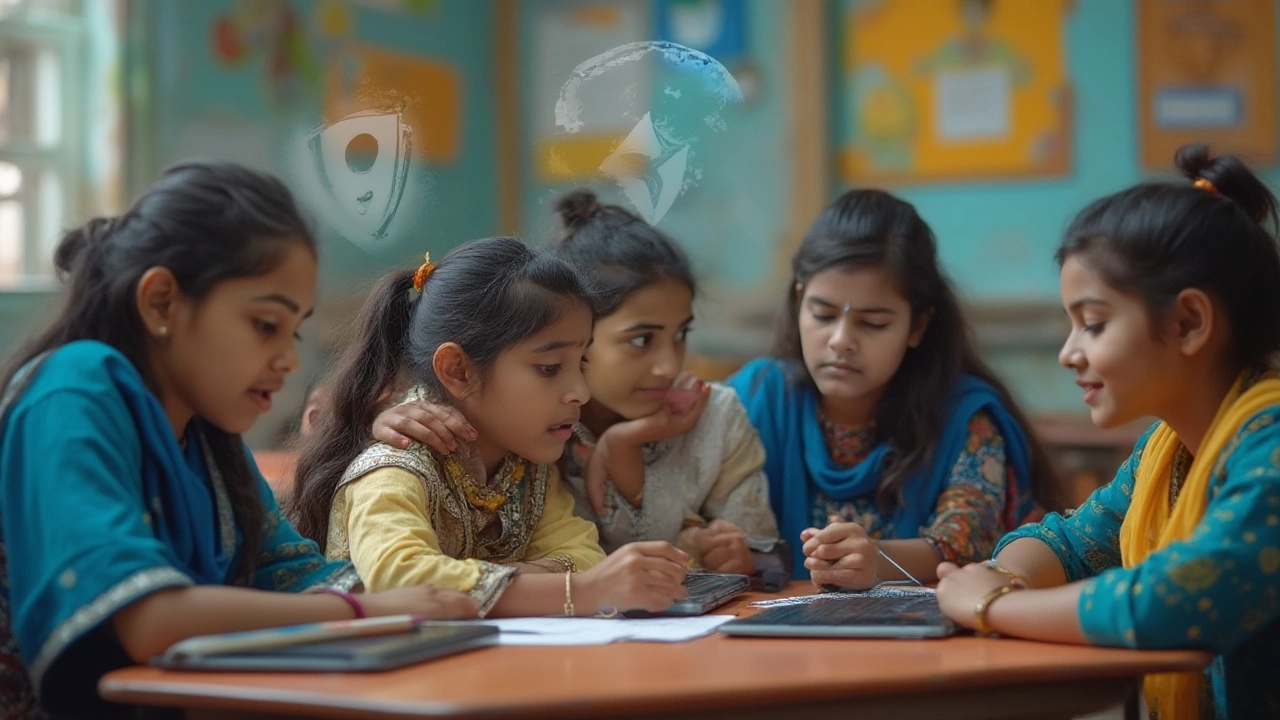
Why Schools Avoid Google Classroom: Challenges in EdTech Adoption
- Arjun Rathore
- Jul, 9 2025
Many schools avoid Google Classroom due to privacy, infrastructure, and training issues. This detailed article uncovers the real obstacles and explores solutions.
Learn More
Easiest Online Courses for High Salary Jobs
- Arjun Rathore
- May, 27 2025
Looking for an online course that isn’t overwhelming but still gets you a high-paying job? This article breaks down the top options that balance ease with good earning potential. We’ll dig into real-world data, what makes these courses easier, and the skills actually in demand. You’ll also get tips for picking the right course for your goals and schedule. Skip the complicated degrees—find out how smart online choices can open up big paychecks.
Learn More
Defining Distance Education: Exploring the Virtual Classroom
- Arjun Rathore
- Feb, 27 2025
Distance education, also known as online learning, has evolved significantly over the years, transforming traditional methods of teaching and learning. It offers flexibility and accessibility, allowing learners to engage in educational activities from anywhere in the world. This article delves into what defines distance education, explores its advantages and challenges, and provides practical tips for maximizing its benefits.
Learn More
What is eLearning Called? Understanding the Nuances
- Arjun Rathore
- Feb, 19 2025
eLearning has become a fixture in modern education, but it goes by many names depending on features and methods. This article explores the various terms used for eLearning, from online courses to distance learning. Understanding these distinctions can help students and educators choose the best platform. We also discuss interesting facts, the evolution of eLearning, and provide tips for maximizing its benefits.
Learn More
Best eLearning Platforms to Boost Your Learning
- Arjun Rathore
- Feb, 5 2025
Choosing the right eLearning platform can be a game changer for your education journey. This article explores the most popular platforms, considering factors like user interface, course variety, and pricing. From Coursera to Udemy, we break down the strengths and weaknesses of each option. Whether you're a casual learner or seeking professional development, finding the right fit is crucial. Dive into our guide to make an informed choice.
Learn More