Learn to Code: What It Really Takes to Get Started and Succeed
When you learn to code, the process of acquiring programming skills to build software, apps, or automate tasks. Also known as coding, it’s no longer just for computer science grads—it’s a practical skill anyone can pick up, whether you’re switching careers, building a side hustle, or just curious. You don’t need a degree. You don’t need to be a math genius. What you do need is consistency, a clear goal, and the right resources.
Most people who learn to code get stuck because they chase the wrong things: the latest language, the fanciest course, or a certification that looks good on paper. But what actually lands you a job or lets you build something real? self-taught coders who ship projects. The ones who solve real problems—like fixing a broken website, automating their spreadsheet, or building a simple app for their local shop. They don’t wait for permission. They don’t wait to feel "ready." They just start. And that’s the biggest difference between those who make it and those who quit.
There are dozens of languages out there, but not all are created equal for beginners. Python is often the go-to because it reads like plain English and powers everything from websites to AI tools. But Java still dominates enterprise apps, and if you’re targeting mobile, you’ll need to look at Swift or Kotlin. The truth? Pick one, stick with it for three months, and build something—anything—even if it’s just a to-do list app. That’s more valuable than ten online courses.
And forget the myth that you need a coding bootcamp alternative to get hired. Bootcamps work for some, but they’re expensive and not always structured well. Many hiring managers care more about your GitHub profile than your diploma. They want to see you’ve solved real problems, not just completed exercises. That’s why the best learners build small projects early—like a weather app that pulls data from an API, or a blog that lets users leave comments. These aren’t just practice. They’re your portfolio.
There’s no magic formula. No secret shortcut. Just practice, feedback, and persistence. The people who succeed in tech aren’t the ones who learned the fastest—they’re the ones who kept going when it got hard. You’ll hit walls. You’ll feel lost. That’s normal. Every coder has been there. What matters is what you do next.
Below, you’ll find real stories and straight-to-the-point guides from people who’ve been where you are. From how to turn a Google certificate into a job, to why Python pays more than Java in some fields, to how self-taught coders landed roles without degrees. No fluff. No theory. Just what works in 2025.
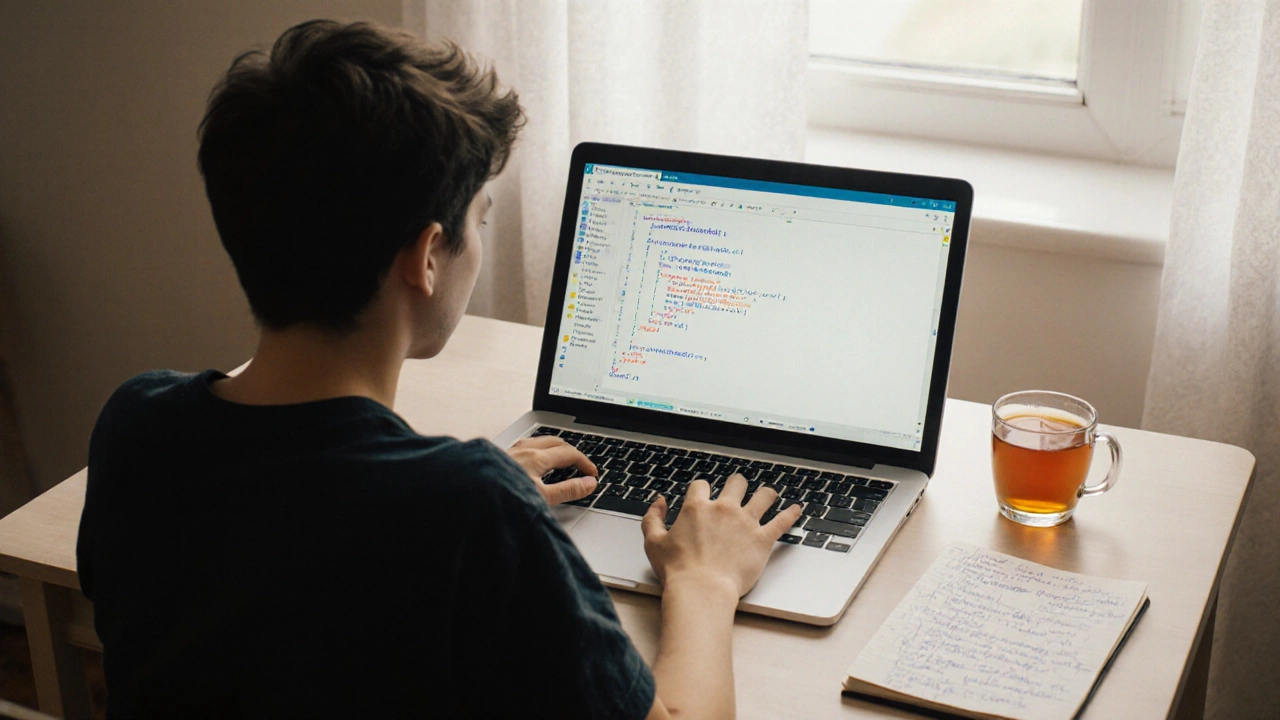
Is coding hard for beginners? Here's what actually matters
- Arjun Rathore
- Nov, 18 2025
Is coding hard for beginners? It’s not about being smart-it’s about showing up. Learn what really matters when starting out, which language to pick, and how to avoid common mistakes that make people quit.
Learn More
Best Programming Language for Beginners: How to Choose
- Arjun Rathore
- Oct, 14 2025
Explore the top programming languages for beginners, compare their ease of learning, job prospects, and best use cases, and get a clear step‑by‑step plan to start coding confidently.
Learn More
Can I Learn to Code if I'm Bad at Math? Real Answers for Absolute Beginners
- Arjun Rathore
- Jun, 18 2025
Worried your math skills aren't enough for coding? You're definitely not alone—most people think they need to be math geniuses to start programming. The reality might surprise you: coding isn’t just for the number whizzes. This article breaks down the real connection between math and programming, busts some common myths, and shares simple tips to start learning code even if numbers aren't your strong suit. Get practical advice, stories from real coders, and ideas for making the journey a lot easier.
Learn More