eLearning: What It Really Is and How It Works for Students in India
When people talk about eLearning, a system for delivering education through digital platforms that includes course content, assignments, progress tracking, and assessments. Also known as online learning, it’s not just Zoom calls or YouTube videos—it’s a structured way to learn without being in a physical classroom. Many think eLearning means watching recorded lectures, but that’s only part of it. Real eLearning platforms like Coursera, Udemy, or even school LMS systems manage your entire learning path: they assign tasks, grade quizzes, give feedback, and track how far you’ve come. Without those features, you’re just consuming content—not learning.
What makes eLearning powerful is how it fits real life. A student in a small town in Odisha can take the same course as someone in Bangalore, without moving or spending thousands on coaching. It cuts out the commute, the rigid schedules, and the pressure to keep up with a class pace you don’t control. But it also comes with real problems: no one checks if you’re actually studying, tech glitches can kill your day, and isolation makes it easy to quit. That’s why success in eLearning isn’t about having the best device—it’s about having a routine, clear goals, and the discipline to stick with it even when no one’s watching.
Related tools like Zoom, a video conferencing tool used to host live online classes are often mistaken for eLearning platforms, but they don’t track progress or store assignments. They’re just the meeting room. True eLearning platforms are the entire school building—digital syllabus, digital homework, digital exams. And then there are online education, the broader practice of learning via internet-based resources, including free MOOCs, certificates, and self-paced courses, which lets people build skills without enrolling in a degree. You can earn a Google certificate, learn Python from a free course, or get college credits for under $50. But none of it matters unless you use it intentionally.
What you’ll find here aren’t just articles about eLearning. You’ll see what actually works, what’s overhyped, and what people don’t tell you before signing up. From why Zoom isn’t enough to how some tutors make $5,000 a month teaching online, this collection cuts through the noise. You’ll learn the real downsides of remote study, which platforms pay the most, and how to turn a cheap online course into a real career step. No fluff. Just what you need to know before you click ‘enroll’.

What Is Needed for eLearning? A Practical Guide to Getting Started
- Arjun Rathore
- Jan, 9 2026
eLearning isn't just about signing up for a course. It's about having the right tools, habits, and mindset to actually learn. Here's what you really need to succeed.
Learn More
Are Virtual and eLearning the Same? Clearing Up the Confusion
- Arjun Rathore
- Apr, 24 2025
So many people mix up virtual learning with eLearning, but they're not identical. This article breaks down their real differences, where they overlap, and what actually matters when you're choosing an online learning method. You'll get real-life examples, surprising facts, and simple tips. If you've ever wondered if they're the same thing, you'll get your answer. Spoiler: it's not as simple as you think.
Learn More
What is eLearning Called? Understanding the Nuances
- Arjun Rathore
- Feb, 19 2025
eLearning has become a fixture in modern education, but it goes by many names depending on features and methods. This article explores the various terms used for eLearning, from online courses to distance learning. Understanding these distinctions can help students and educators choose the best platform. We also discuss interesting facts, the evolution of eLearning, and provide tips for maximizing its benefits.
Learn More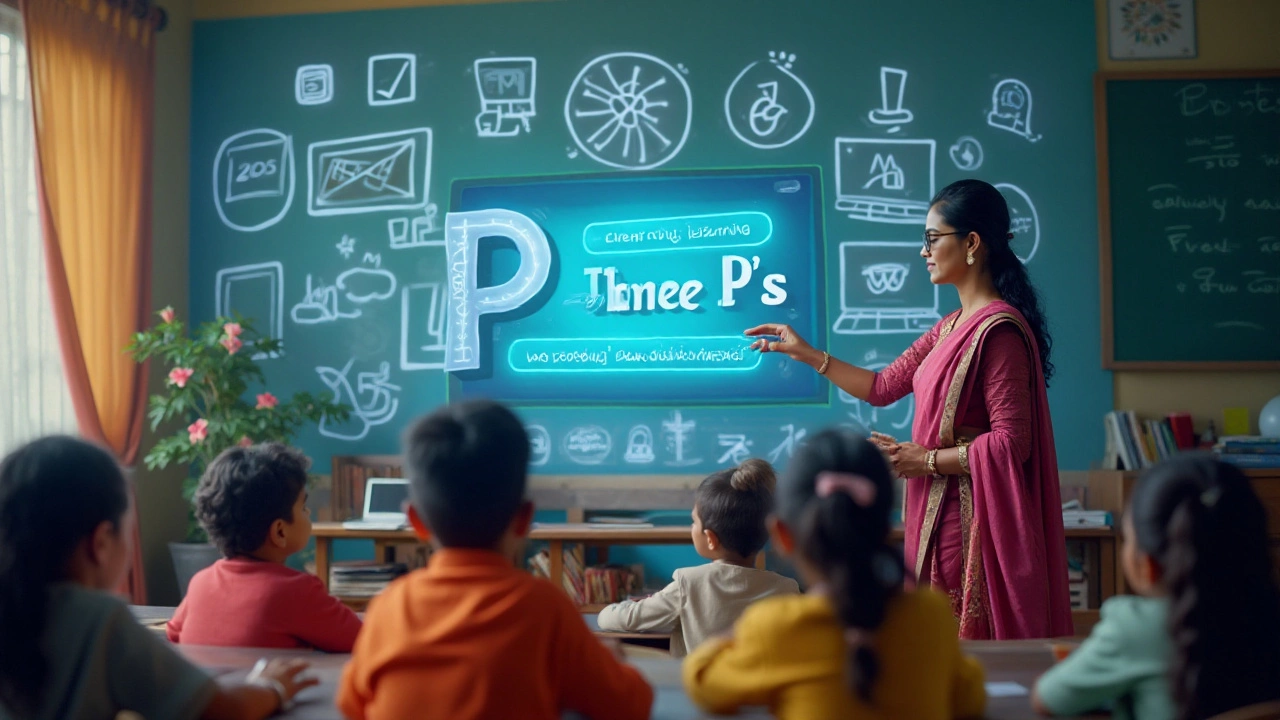
Mastering eLearning: The Three P's You Need to Know
- Arjun Rathore
- Jan, 30 2025
In the rapidly evolving world of digital education, understanding the Three P's of eLearning—Preparation, Participation, and Personalization—can transform how learners engage with online platforms. This article dives deep into each component, exploring practical ways to implement them effectively. Preparation sets the foundation, Participation ensures active engagement, and Personalization tailors the learning experience to individual needs. By focusing on these elements, educators and learners alike can enhance the online education journey.
Learn More