Zoom vs eLearning Platforms: What Really Works for Students in India
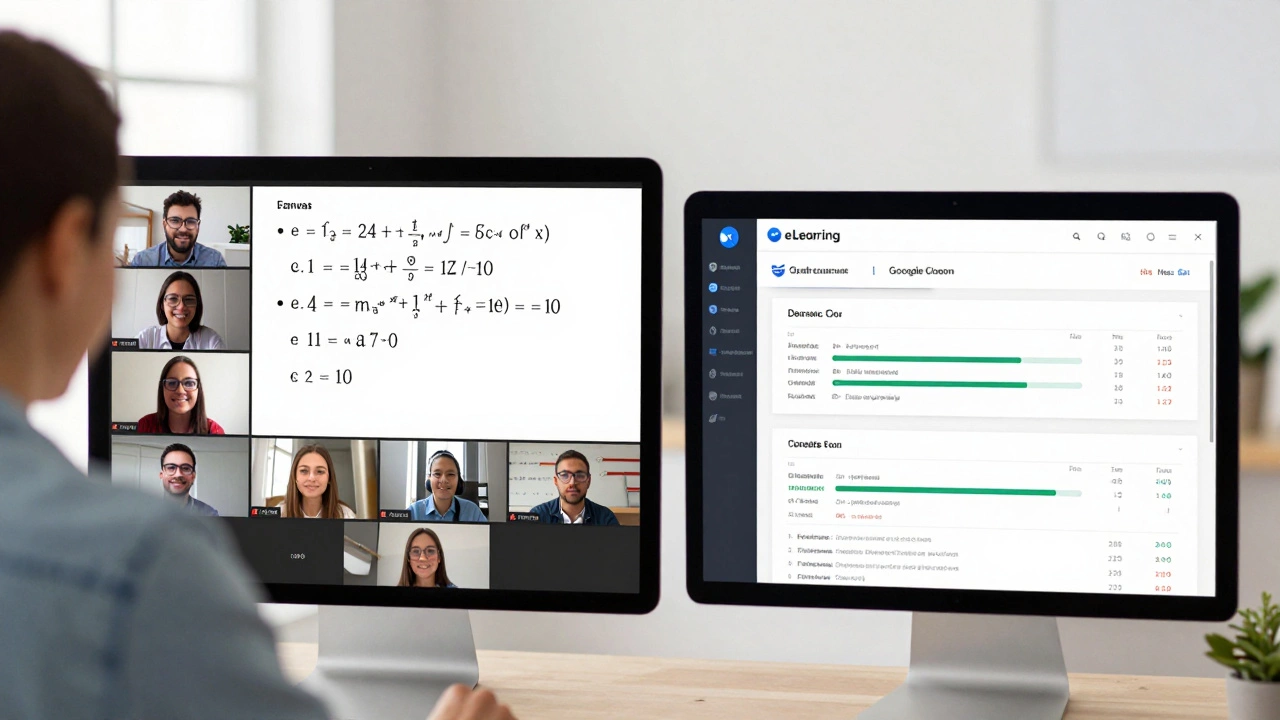
When you think of Zoom, a video conferencing tool used for live meetings and classes. Also known as online meeting software, it lets teachers and students connect in real time—but it doesn’t teach, track progress, or organize lessons. That’s where eLearning platforms, dedicated systems built to deliver, manage, and track online education. Also known as virtual learning environments, they include quizzes, assignments, progress reports, and content libraries. come in. Zoom is a window. eLearning platforms are the whole classroom. Many schools in India use Zoom because it’s free and easy, but they’re missing out on tools that actually help students learn and retain more.
Here’s the problem: Zoom has no way to know if you’re paying attention. It can’t auto-grade your homework. It doesn’t remind you of deadlines. It can’t suggest videos based on what you struggled with last week. distance learning, learning from home using digital tools. Also known as remote education, it works best when it’s structured—not just live-streamed. That’s why platforms like Moodle, Google Classroom, or even India’s DIKSHA portal beat Zoom for serious study. They give you feedback, track your pace, and let you revisit lessons. Zoom? You join, you listen, you leave. What did you learn? Good luck remembering.
Some teachers use Zoom to record lectures and upload them to YouTube or Google Drive. That’s not Zoom being an eLearning platform—that’s using Zoom as a camera, then patching together a real system with free tools. It’s messy. It’s inconsistent. And it doesn’t help students who need structure. Meanwhile, true eLearning platforms handle everything: attendance, assignments, discussion boards, even parent reports. They’re built for learning, not just talking.
And let’s be real—students aren’t just watching videos on Zoom. They’re juggling multiple apps: one for classes, one for homework, one for notes, another for group chats. That’s not learning. That’s digital chaos. A good eLearning platform brings it all together. No switching tabs. No missing files. Just one place to learn, practice, and grow.
So why does Zoom still dominate? Because it’s simple. Because teachers don’t have time to learn new systems. Because schools think free means better. But free doesn’t mean effective. If you’re serious about studying—whether you’re prepping for JEE, NEET, or just trying to keep up with school—you need more than a video call. You need a system that remembers what you’ve done, pushes you forward, and adapts to your pace.
Below, you’ll find real stories from students and teachers who’ve tried both. Some stuck with Zoom out of habit. Others switched to full eLearning platforms—and saw their results jump. You’ll see which tools actually help people pass exams, which ones just make things look busy, and what you should be using right now to get ahead—not just show up.
Is Zoom an eLearning Platform? Here's What It Really Does
- Arjun Rathore
- Dec, 1 2025
Zoom isn't an eLearning platform-it's a video tool that powers live classes. True eLearning platforms manage courses, assignments, and progress. Learn how to use Zoom with real learning systems for better results.
Learn More