Virtual Classrooms: What They Really Are and How They Work
When you hear virtual classrooms, a digital space where teachers and students interact in real time for learning purposes. Also known as online learning environments, it isn’t just Zoom or Google Meet—it’s the entire system that keeps lessons running, assignments tracked, and progress measured. Many people think if you’re on a video call with a teacher, you’re in a virtual classroom. But that’s like saying a phone call is a restaurant. You might be eating, but you’re not in the dining room.
True eLearning platforms, systems designed to deliver, manage, and track educational content and student progress like Moodle, Canvas, or Google Classroom handle quizzes, deadlines, feedback, and grades. Zoom, a video conferencing tool used to host live sessions for education and business. Also known as video meeting software, it’s just one part of the puzzle—the stage, not the whole theater. You can run a virtual classroom with Zoom, but without assignments, feedback loops, or progress tracking, it’s just a group call with homework slapped on at the end.
Teachers using virtual classrooms well don’t just stream lectures. They break lessons into chunks, use breakout rooms for group work, share interactive whiteboards, and give quick polls to check understanding. Students who succeed in these settings aren’t the loudest—they’re the ones who show up consistently, turn in work on time, and ask questions when they’re stuck. The biggest problem? Isolation. Without hallway chats or lunchroom talks, it’s easy to fall behind and feel invisible. That’s why the best virtual classrooms build in community—discussion boards, peer reviews, and weekly check-ins.
And it’s not just for students. Tutors, corporate trainers, and even language coaches use virtual classrooms to reach learners across cities and countries. Some make over $5,000 a month teaching online, not because they’re geniuses, but because they’ve built systems that keep students engaged and coming back. Meanwhile, others struggle because they treat it like a live TV show instead of a two-way learning experience.
If you’ve ever felt lost in an online class, you’re not alone. The tools are there—but the design isn’t always. That’s why the posts below dig into what actually works: how to turn a video call into real learning, which platforms help students stick with it, and why some virtual classrooms fail before the first assignment is even due. You’ll find real stories from teachers, students, and tutors who’ve figured out how to make this messy, digital space actually work.
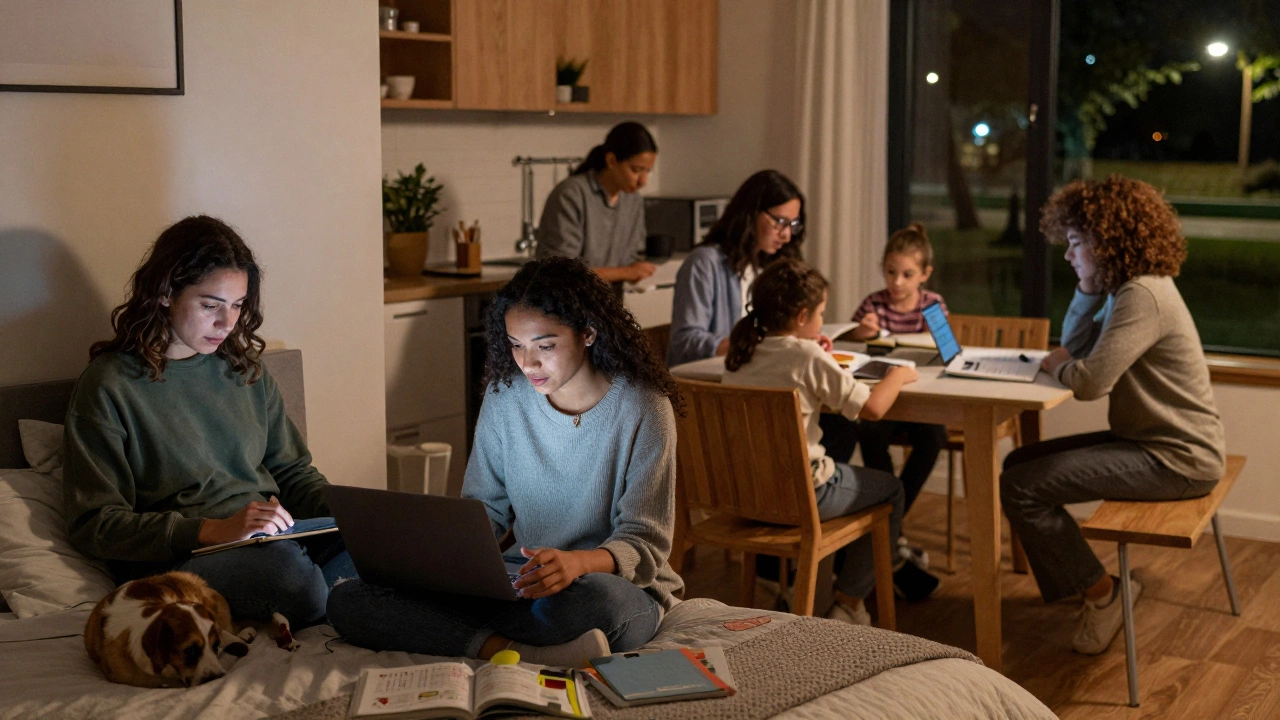
Why Distance Learning Is Better for Modern Students
- Arjun Rathore
- Dec, 4 2025
Distance learning offers real flexibility, lower costs, and better access to quality education. It fits modern life better than traditional classrooms and helps students build skills employers actually want.
Learn More