Distance Learning Cost Calculator
Calculate Your Savings
Compare your potential costs for traditional campus versus distance learning. Based on UK-specific data from the article.
Your Potential Savings
Traditional Campus Costs
Total: £0
Distance Learning Costs
Total: £0
Based on University of Bristol 2024 data: 42% higher work-study-family balance with distance learning
When you think of school or college, you probably picture a classroom, bells ringing, and rows of desks. But for millions of students around the world, that’s not the reality anymore. Distance learning isn’t just a backup plan anymore-it’s the preferred way to learn for many. And it’s not because people are avoiding school. It’s because distance learning actually works better for how people live today.
It fits real life, not the other way around
Traditional school schedules were built for a 1950s world. Kids had to be at school at 8 a.m., no matter if they were night owls, working part-time, or caring for siblings. Distance learning throws that out the window. You can log in at 7 p.m. after your shift. You can pause a lecture to help your little one with homework. You can study during your lunch break while waiting for your bus. A 2024 study from the University of Bristol tracked 1,200 adult learners in the UK. Those using distance learning reported a 42% higher ability to balance work, family, and study compared to those in on-campus programs. Why? Because they controlled the time. Not the institution.You learn at your own speed
In a physical classroom, the teacher moves forward whether you’re ready or not. If you missed a concept last week, you’re stuck. If you’re ahead, you’re bored. Distance learning fixes this. Most platforms let you replay videos, skip ahead, or spend extra time on tough topics. One student in Manchester, studying for a digital marketing certificate, told me she rewound a module on SEO analytics six times before she got it. In a traditional class, she’d have been too embarrassed to ask again. Here, no one knows how many times she watched it. And that’s the point.Access to better teachers and resources
If you live in a small town in Wales or a rural area in Scotland, your local school might not have a specialist in AP Physics or advanced French literature. But through distance learning, you can take a course from a professor at Oxford, a former Google engineer, or a published novelist in New York. You’re not limited by geography. A student in Plymouth can learn Python from a developer in Bangalore. A single parent in Dundee can get certified in project management from a course designed in Toronto. The best teachers aren’t tied to a building-they’re online, and they’re available to anyone with an internet connection.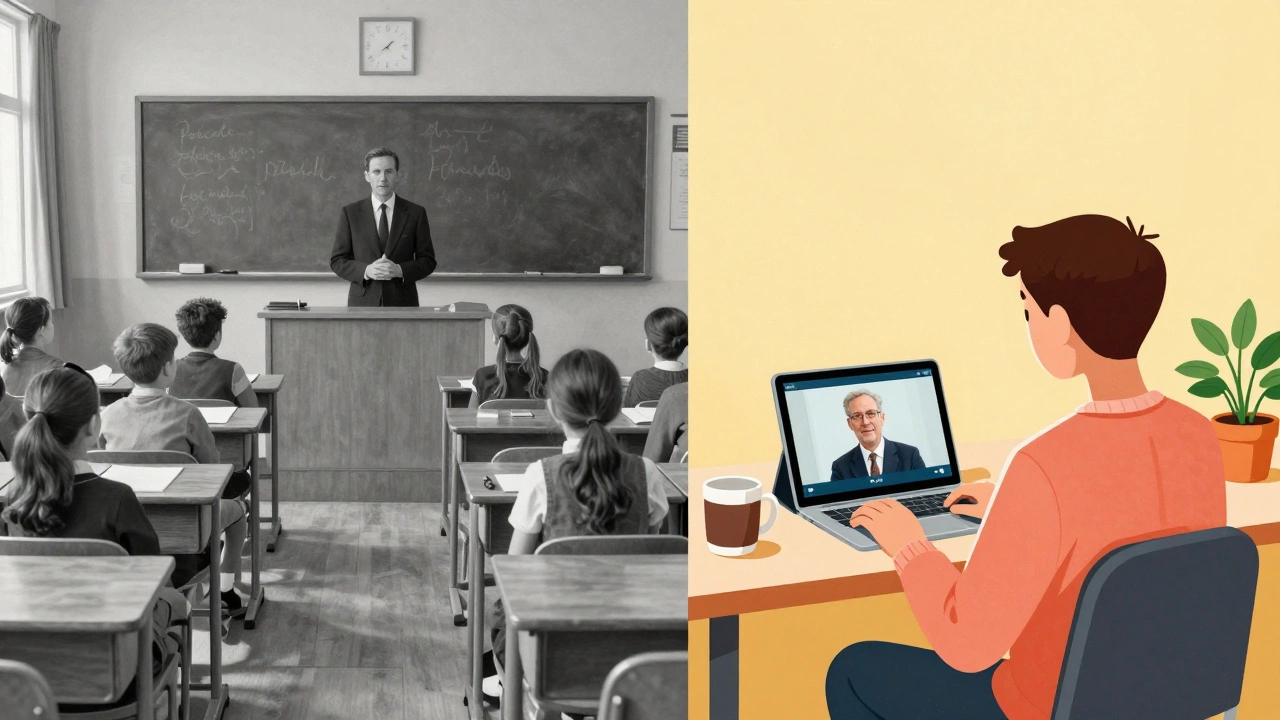
More control over your environment
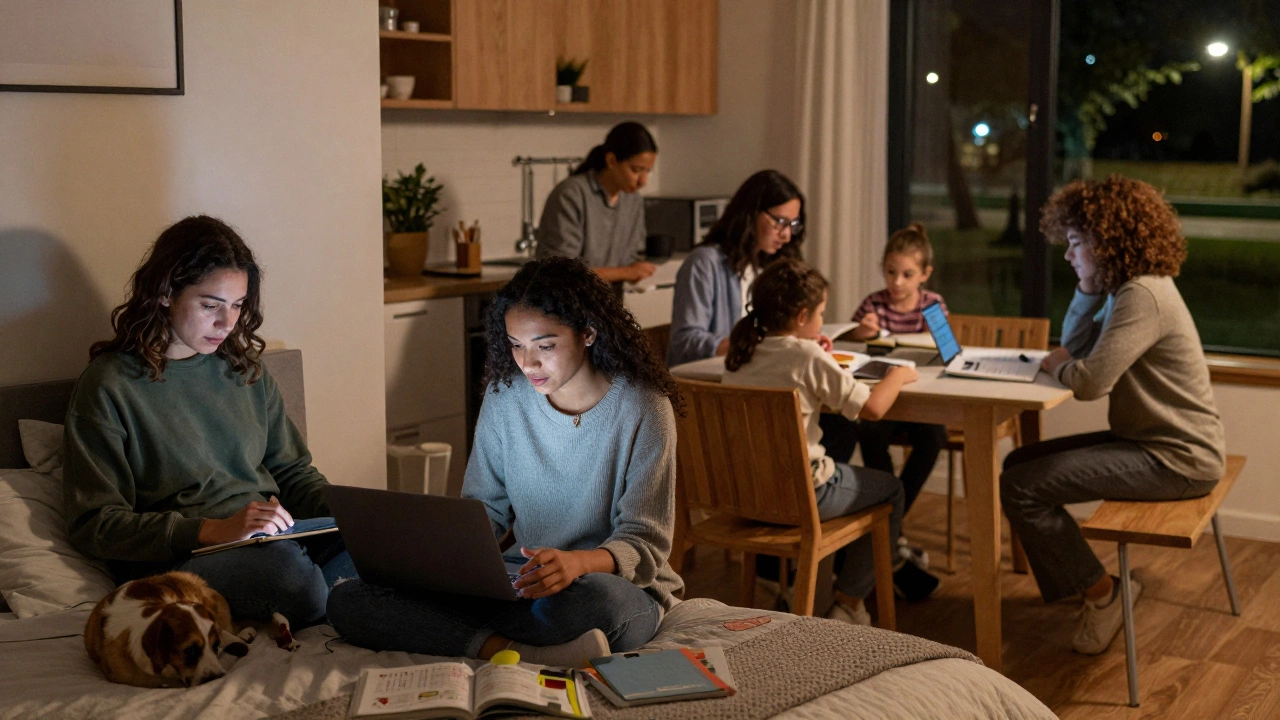
Let’s be honest: not everyone thrives in a noisy classroom. Some people get distracted by chatter. Others feel anxious speaking up in front of 30 people. Distance learning gives you a quiet space to think, to pause, to breathe. You can study in your bedroom, at the kitchen table, or even outside in the garden. You can wear sweatpants. You can have your dog beside you. You can turn off your camera if you’re having a bad day. These small freedoms reduce stress-and stress kills learning. A 2023 survey by the UK’s Office for Students found that 68% of distance learners said they felt less anxious about their performance than they did in traditional settings. Why? Because they weren’t being judged by how fast they raised their hand.Skills you actually need in the real world
Distance learning doesn’t just teach you math or history. It teaches you how to manage your time, how to stay motivated without someone watching you, and how to communicate clearly over email and video. These aren’t just "soft skills." They’re the exact skills employers say they’re struggling to find. A 2025 report from the Confederation of British Industry found that 73% of hiring managers prefer candidates with experience in remote learning or remote work. Why? Because those people know how to deliver results without constant supervision. They’re self-starters. They’re organized. They’re resilient.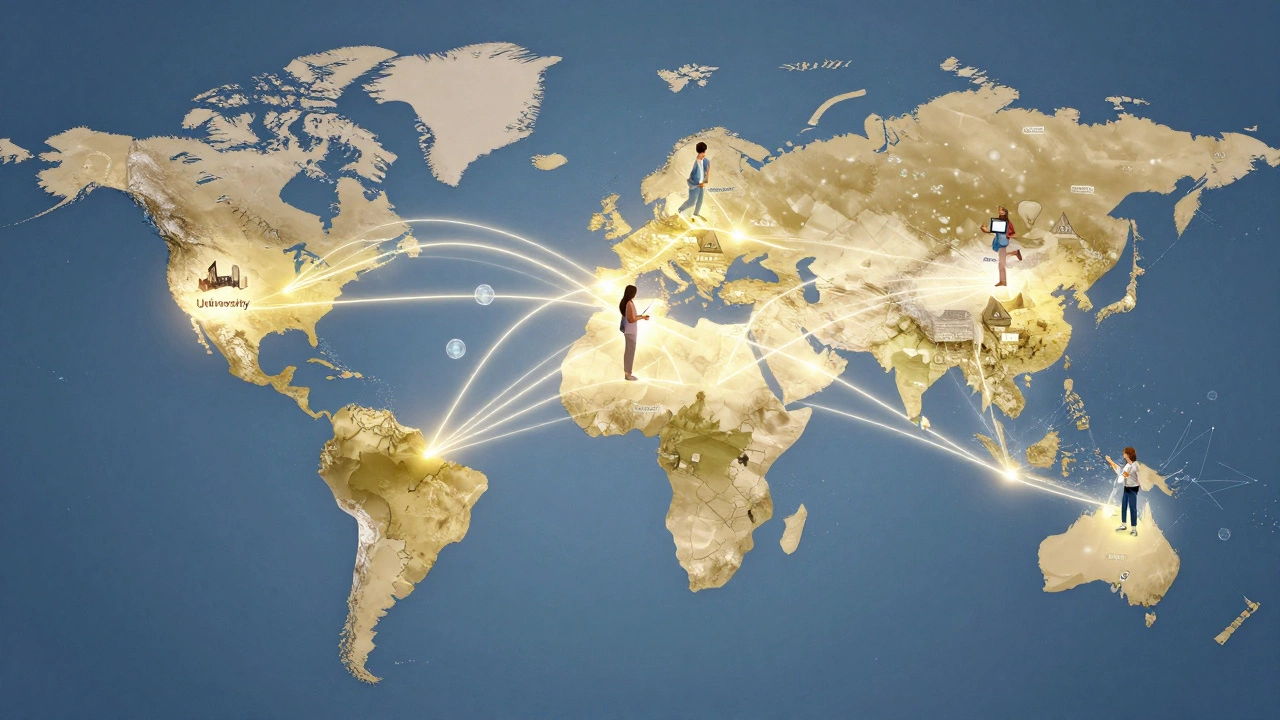
It’s cheaper-no hidden costs
Let’s talk money. Going to campus isn’t just about tuition. There’s commuting-gas, bus passes, parking. There’s textbooks-$200 a course, minimum. There’s housing if you move. There’s meals, clothing, social events. Distance learning cuts almost all of that. You pay for the course. Maybe a small fee for software. That’s it. One student in Leeds saved £3,800 in one year by switching from on-campus to online. That’s a new laptop. Or a month’s rent. Or a trip home to see family.It’s not perfect-but it’s better
Sure, distance learning has downsides. You miss the casual chats after class. You don’t bump into your professor in the hallway. Some labs or art studios are harder to replicate online. But those are logistical challenges-not fundamental flaws. The real question isn’t "Is distance learning perfect?" It’s "Is it better than what came before?" And for most people, the answer is yes. It’s more flexible. It’s more accessible. It’s more honest about how people actually learn. The future of education isn’t about forcing people into old systems. It’s about building systems that fit people. Distance learning isn’t just an alternative. It’s the upgrade.Is distance learning as respected as traditional degrees?
Yes. Employers and universities now treat online degrees from accredited institutions the same as on-campus ones. In fact, many top universities-including the University of London and the Open University-have offered online degrees for over 20 years. What matters is the school’s accreditation and the quality of the program, not whether you sat in a classroom.
Do you need to be tech-savvy to succeed in distance learning?
No. Most platforms are designed to be simple. You need to know how to open an email, watch a video, and upload a file. That’s it. Many platforms offer step-by-step guides and 24/7 tech support. If you can use a smartphone, you can handle distance learning.
Can you still get help from teachers in distance learning?
Absolutely. You can email instructors, join live Q&A sessions, and participate in discussion forums. Many programs even assign you a personal academic advisor. The support is there-it’s just delivered differently. Instead of waiting after class, you might get a reply in 4 hours instead of 4 days.
Is distance learning good for children and teens?
It can be, but it depends on the student. Younger learners need more structure and parental involvement. Many schools now offer hybrid models-some online lessons, some in-person-to balance social development with flexibility. For teens who struggle with anxiety, bullying, or learning differences, distance learning can be a lifeline.
What if I feel lonely studying online?
Loneliness is a real concern, but it’s fixable. Most online programs have student forums, virtual study groups, and even online social events. You can join a Discord group for your course, schedule weekly video calls with classmates, or attend local meetups organized by alumni. Connection doesn’t require a physical classroom-it just requires intention.