Teach Online: How to Run Effective Online Classes and Reach More Students
When you teach online, delivering instruction through digital platforms instead of in-person classrooms. Also known as remote education, it means your classroom can be anywhere — from a home office to a coffee shop — as long as your students have an internet connection. This isn’t just about recording videos or hopping on Zoom. Real online teaching means designing lessons that hold attention, build trust, and actually stick — even when your students are on mute and their cameras are off.
Successful online teaching, the practice of guiding learners through digital environments with structure and interaction requires more than good content. It needs rhythm. It needs feedback loops. It needs tools that work together. That’s why so many teachers mix eLearning platforms, systems built to host courses, track progress, and manage assignments like Google Classroom or Moodle with live sessions on virtual classrooms, real-time video spaces where teachers and students interact live. Zoom might get you in the room, but it doesn’t manage quizzes, grade papers, or remind students about deadlines. You need the full stack.
And it’s not just about tech. The biggest challenge? Keeping students focused when they’re not in a physical room. People drop out of online courses not because the material is too hard — they drop out because they feel alone. The best online teachers build community. They reply to messages fast. They ask for feedback. They make students feel seen, even through a screen. That’s what turns a course into a learning experience.
Some of the most effective online educators don’t even have fancy setups. They use free tools, keep lessons short, and focus on one clear goal per session. They know that 15 minutes of focused practice beats an hour of passive watching. They track what works — like which videos get watched all the way through, or which discussion prompts spark the most replies — and they tweak constantly.
Below, you’ll find real stories and practical guides from teachers who’ve figured out how to make online learning work. Some teach coding to beginners. Others run English classes for non-native speakers. One runs a full online trade school. They don’t all use the same tools. But they all know one thing: teaching online isn’t about replacing the classroom. It’s about rebuilding it — smarter, simpler, and more human.
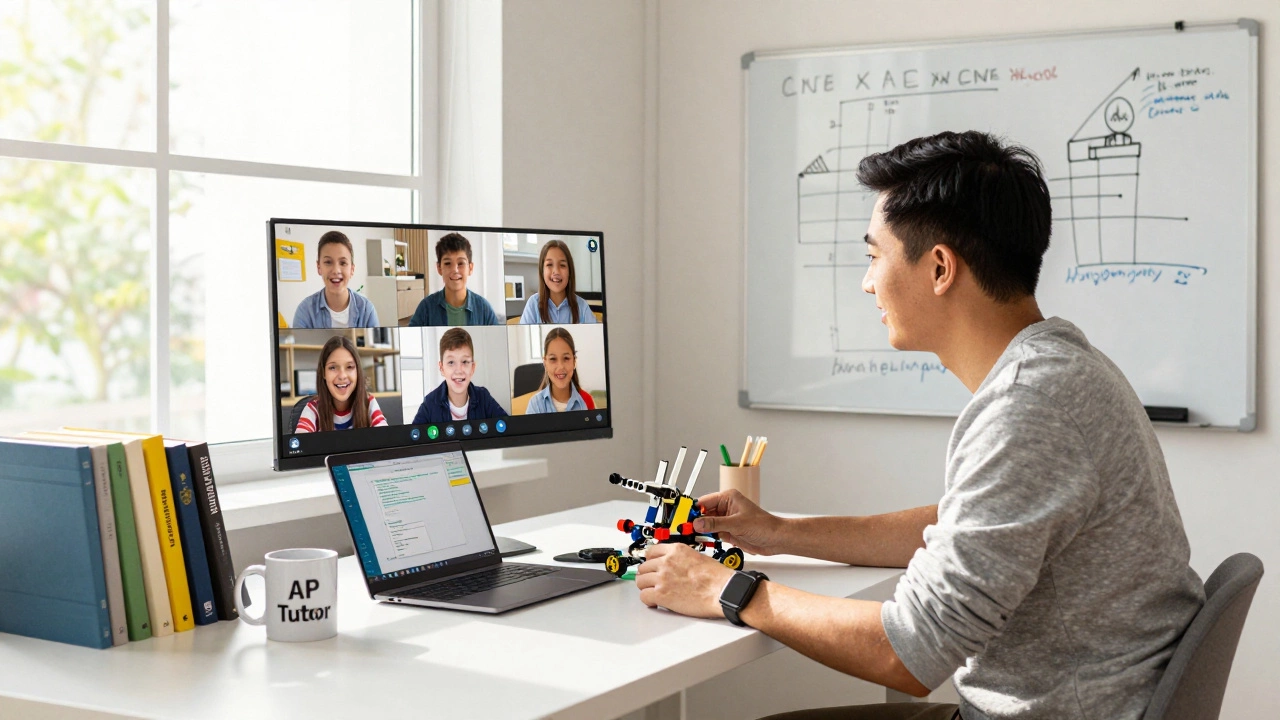
What Online Teaching Pays the Most? Top Platforms and How to Maximize Earnings
- Arjun Rathore
- Dec, 1 2025
Find out which online teaching platforms pay the most in 2025, what subjects earn top dollar, and how tutors make $5,000+ a month without a degree. Real data, real strategies.
Learn More