Online Teaching Earnings Calculator
How much can you earn teaching online?
Calculate your potential monthly income based on your expertise and teaching approach. This tool uses data from top platforms like Outschool, Preply, and iTalki to give you realistic estimates.
Your Estimated Earnings
Based on current platform data as of 2025
- Best platforms: -
- Monthly hours: -
- Platform fees: ~10-20% average
If you're thinking about teaching online, you're not alone. Millions of people are logging in from kitchens, home offices, and coffee shops to teach English, math, coding, music, and more. But here’s the real question: what online teaching pays the most? Not all platforms are created equal. Some pay $5 an hour. Others pay $60 an hour-and some tutors make over $10,000 a month without ever leaving their living room.
How much do online teachers actually make?
The average online tutor earns between $10 and $30 an hour. But that average hides the truth. If you’re teaching Mandarin to executives in Shanghai, or AP Calculus to high schoolers in the U.S., you’re not in the same league as someone teaching basic English to kids in Southeast Asia. Pay depends on three things: your subject, your students’ location, and the platform you use.
For example, a tutor on VIPKid used to make $14-$22 an hour teaching English to Chinese kids. But after the company shut down in 2021, many tutors moved to platforms like Outschool, Preply, or iTalki. Now, the top 10% of tutors on these platforms earn $50-$80 an hour. How? They specialize. They build reputation. They teach high-demand skills.
Top platforms that pay the most
Here are the current top five platforms for online teaching, ranked by earning potential based on 2025 data from tutor surveys and platform disclosures:
| Platform | Typical Hourly Rate | Best For | Payment Frequency |
|---|---|---|---|
| Outschool | $18-$75 | Kids & teens, niche subjects (coding, debate, Harry Potter lit) | Weekly |
| Preply | $15-$60 | Language tutors, test prep (IELTS, TOEFL) | Weekly |
| iTalki | $10-$55 | Adult learners, one-on-one language lessons | Monthly |
| VIPKid (legacy alternatives) | $15-$40 | English for Chinese students (via new partners like EF Education First) | Biweekly |
| Cambly | $10-$25 | Conversational English, casual practice | Weekly |
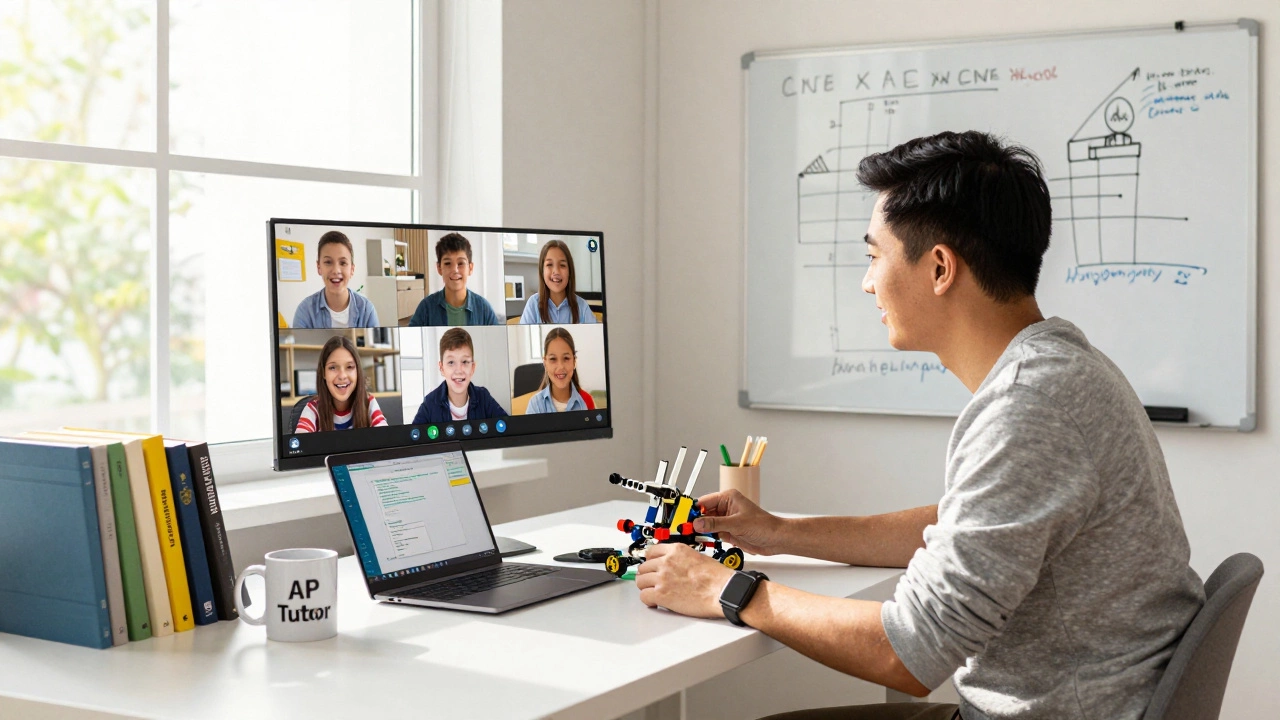
Outschool leads in earning potential because it lets tutors set their own prices. A tutor teaching a 30-minute class on "How to Build a Robot with LEGO" can charge $45 per student-and if 10 kids sign up, that’s $450 per session. That’s not a typo. One tutor in Austin made $12,000 last month just running weekly robotics classes.
What subjects pay the most?
It’s not just the platform. It’s what you teach. Here’s what’s hot in 2025:
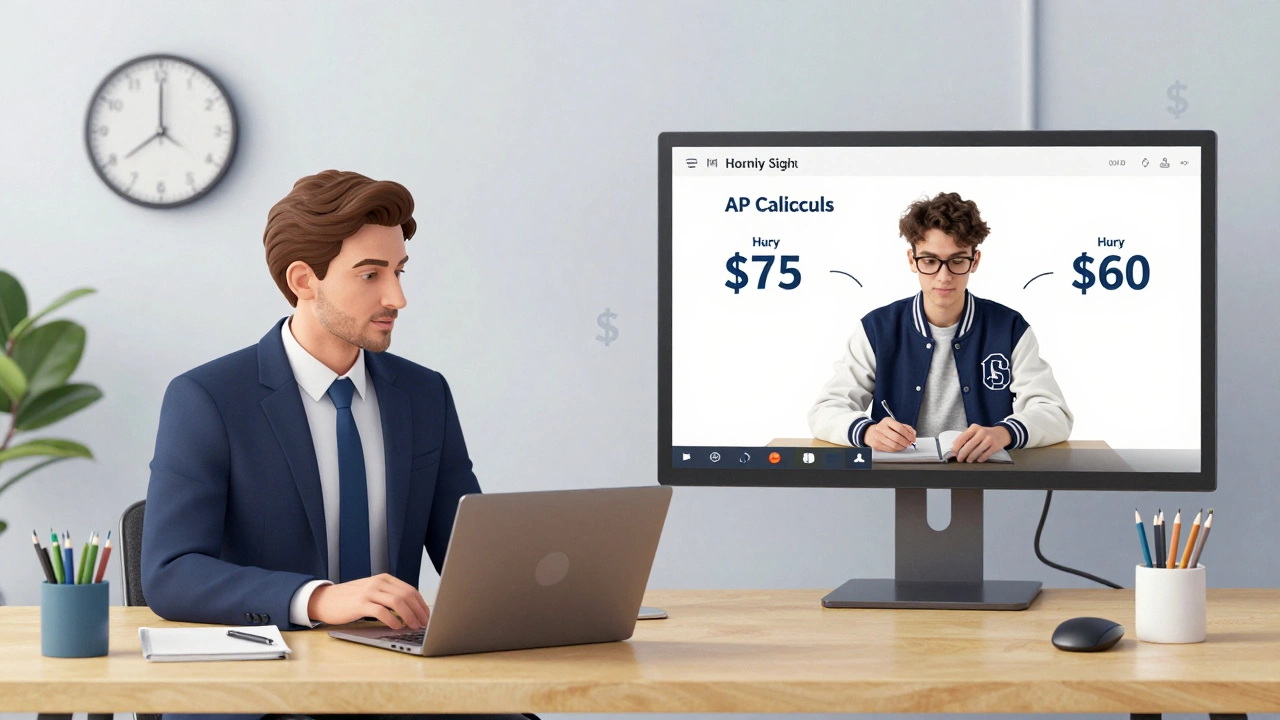
- AP and IB Exam Prep - U.S. and international high schoolers pay $50-$80/hour for SAT, AP Calculus, or IB Physics tutoring.
- College Admissions Coaching - Helping students write essays and build portfolios? $70-$120/hour, especially for Ivy League-bound applicants.
- Coding for Kids - Python, Scratch, or game design for ages 8-16. Platforms like Outschool and CodeWizardsHQ pay $40-$70/hour.
- Professional Certification Prep - PMP, CFA, AWS, or Google Certificates. Students pay premium rates because passing means a $20k salary bump.
- Business English for Executives - Teaching executives in Germany, Japan, or Brazil how to present in English? $60-$100/hour.
On the flip side, basic English conversation or kindergarten phonics? You’re looking at $10-$20/hour. It’s not bad, but it’s not life-changing either.
How to get paid more - even if you’re new
You don’t need a PhD to earn $50/hour. You need positioning. Here’s how top tutors do it:
- Specialize, don’t generalize. "I teach English" is too broad. "I help Indian engineers pass IELTS with a 8.5 band score" is specific. Specificity = higher rates.
- Build a portfolio. Record a 2-minute demo video. Show your teaching style. Post it on LinkedIn and Reddit. Tutors with videos get 3x more booking requests.
- Offer group classes. One-on-one is great, but group sessions (4-6 students) let you charge $30-$50 per student and teach 5 people at once. That’s $150-$300/hour.
- Charge by the package. Instead of $25/hour, offer 10 hours for $200. Students pay upfront. You lock in income. Platforms like Preply let you create custom packages.
- Target high-income countries. Students from the U.S., Canada, Australia, and Western Europe pay more than those from Southeast Asia or Latin America. Use filters on platforms to find them.
What platforms are declining?
Some platforms that used to pay well are fading. VIPKid collapsed in 2021. Cambly pays less now because they’ve flooded the market with tutors. Teachable and Udemy are not teaching platforms-they’re course marketplaces. You earn royalties, not hourly wages. And if you’re relying on YouTube or TikTok to monetize teaching, you’re playing a numbers game. One viral video might bring in $500. But it’s not reliable income.
The real winners? Platforms that connect you directly with students who are ready to pay for results.
Can you make a full-time income?
Yes. But it takes strategy. One tutor in Manila teaches 20 hours a week: 10 hours of AP Chemistry ($60/hour) and 10 hours of group coding classes ($40/hour). That’s $1,000/week. $4,000/month. After taxes and platform fees, she nets $3,200. That’s above the median income in the U.K. and the U.S.
Another tutor in Brazil teaches business English to executives in Germany. He works 15 hours a week, charges $75/hour, and makes $11,250/month. He doesn’t work weekends. He doesn’t have students in 12 time zones. He picks his clients. He says, "I don’t teach for money. I teach for freedom."
It’s not about working more. It’s about working smarter.
What you need to start
You don’t need fancy gear. But you do need:
- A quiet room with good lighting
- A reliable internet connection (25 Mbps+ download)
- A headset with a noise-canceling mic
- A free Zoom or Google Meet account
- A clear teaching niche
Most platforms don’t require degrees. Some ask for a TEFL certificate (if you’re teaching English), but many don’t. What they care about is results. Can you help a student improve? Can you keep them engaged? That’s what gets you paid.

Where to find students if you’re starting from zero
Don’t wait for platforms to send you students. Go where they are:
- Join Facebook groups like "AP Exam Help" or "IELTS Study Group"
- Post on Reddit: r/learnmath, r/IELTS, r/AskAcademia
- Offer a free 15-minute trial lesson
- Ask past students for reviews
- Use Canva to make a simple one-page teaching profile
One tutor in Poland started with zero students. She posted a free grammar tip on LinkedIn every day for 30 days. By day 31, she had 12 paying clients. All from one post.
Final thought: It’s not about the platform. It’s about you.
There’s no magic app that pays you $100/hour just because you clicked "apply." The highest-paying online teaching jobs go to people who treat teaching like a business-not a side gig. They track their time. They raise prices. They say no to low-paying students. They build systems.
If you’re serious about making real money teaching online, pick a subject you love, find the right platform, and start delivering results. The money follows.
What online teaching platform pays the most in 2025?
Outschool currently pays the most for tutors who teach niche subjects to kids and teens, with top tutors earning up to $75/hour. For adult learners, Preply and iTalki offer the highest rates for specialized subjects like test prep, business English, and professional certification coaching.
Can you make $5,000 a month teaching online?
Yes. A tutor teaching 20 hours a week at an average of $40/hour earns $8,000/month before fees. Many tutors combine group classes, private lessons, and course sales to hit that number. It’s not easy, but it’s common among tutors with clear niches and strong reviews.
Do you need a degree to teach online?
No, most platforms don’t require a degree. What matters is your ability to teach effectively. For English teaching, some platforms ask for a TEFL certificate, but others don’t. For math, coding, or test prep, proof of expertise-like past student results or a portfolio-is more valuable than a diploma.
Is online teaching worth it compared to in-person tutoring?
Online teaching often pays more because you can reach students globally without commuting. You can also teach more hours in a week since you’re not traveling. Plus, you can charge higher rates to international students from wealthier countries. The flexibility and earning potential make it a better option for most people.
How do I avoid low-paying gigs?
Set a minimum rate and stick to it. Don’t accept students who ask for $5/hour unless you’re just building reviews. Use platform filters to target students from the U.S., Canada, UK, Australia, or Western Europe. Offer free trials to screen serious clients. And always ask for payment upfront for multi-session packages.
Next steps: What to do today
If you want to start earning more from online teaching, do this now:
- Decide what subject you’ll teach-be specific.
- Sign up for Outschool and Preply today.
- Create a 60-second video introducing yourself and your teaching style.
- Offer one free 15-minute lesson to your first three students.
- After those sessions, raise your price by 20%.
The first step is the hardest. The rest? Just consistency.