School Curriculum: What Really Matters in Indian Education Today
When we talk about the school curriculum, the official plan for what students learn in school, including subjects, skills, and assessment methods. Also known as syllabus, it’s the hidden engine behind every exam, classroom, and report card. In India, this isn’t just about textbooks—it’s about pressure, timing, and long-term outcomes. The school curriculum determines whether a student spends hours memorizing formulas or learning how to solve real problems. It decides if a child in rural Bihar has the same shot at college as one in Mumbai. And right now, it’s changing faster than most parents realize.
The CBSE curriculum, the national board system followed by over 20,000 schools across India and abroad is the most talked-about version. It’s known for strict exams, heavy syllabi, and a focus on rote learning—especially in subjects like Physics and Math. But it’s also the one most colleges and competitive exams like JEE and NEET expect. Meanwhile, some state boards and international curricula like IB or Cambridge emphasize projects, critical thinking, and continuous assessment. The Indian education system, the nationwide structure of schools, boards, and exams that guide learning from Grade 1 to university doesn’t have one answer—it has competing models. And the choice matters. A student following CBSE might ace a national exam but struggle with open-ended questions. A student from a state board might think creatively but get lost in JEE preparation. Neither is wrong. But knowing the difference helps you plan better.
What’s missing from most school curricula? Real-world skills. Budgeting. Coding. Public speaking. Managing stress. These aren’t optional extras—they’re survival tools. And that’s why you’ll find posts here about how distance learning fills gaps the classroom can’t, how Google certificates help students bypass traditional paths, and why some IITians credit their success to self-directed learning outside the syllabus. You’ll also see comparisons between CBSE and American schools, not to judge which is better, but to show how structure shapes outcome. Some students thrive under rigid exams. Others need flexibility. The curriculum doesn’t always adapt to them—but you can adapt to it.
Whether you’re a parent trying to choose a school, a student wondering why your syllabus feels so heavy, or a teacher looking for better ways to teach—this collection gives you the real picture. No theory. No fluff. Just what’s actually happening in classrooms, exam halls, and homes across India. You’ll learn what parts of the curriculum are worth fighting for, which ones are just tradition, and how to make the most of it—even if you can’t change it.
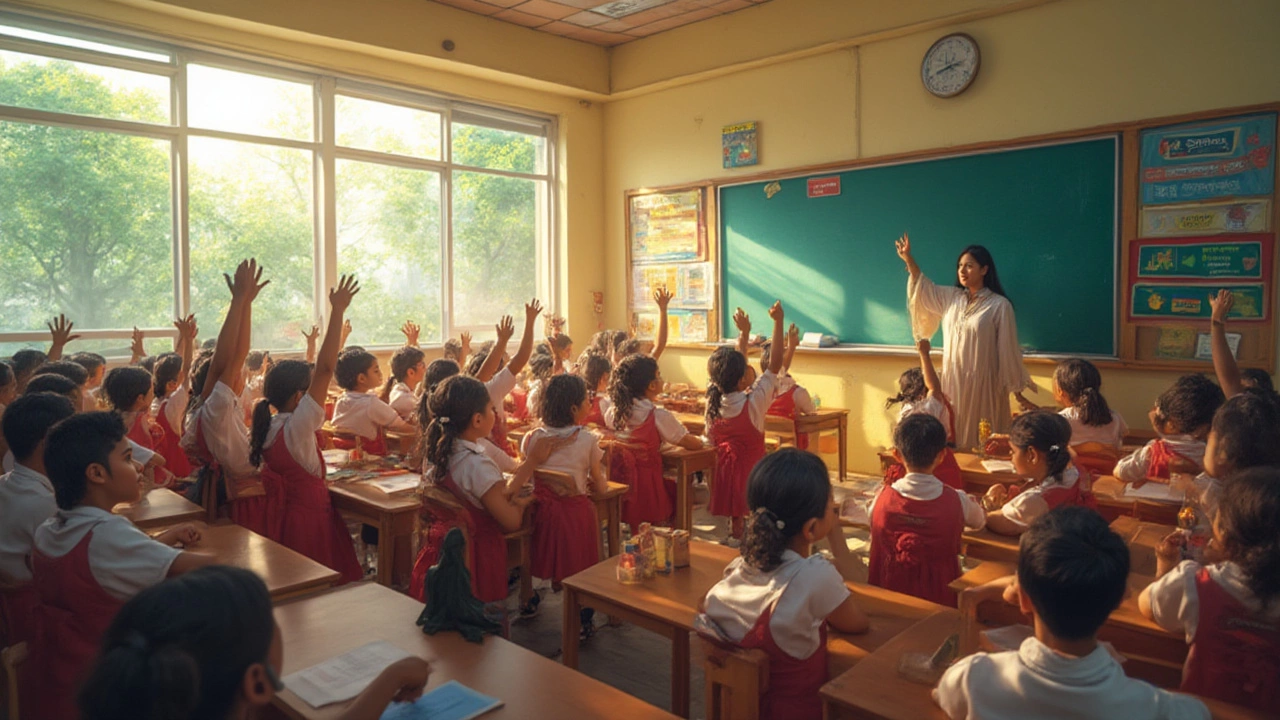
CBSE Syllabus in India: Complete Guide to Subjects, Structure, and Tips
- Arjun Rathore
- Jul, 24 2025
Dive deep into the CBSE syllabus in India, from classes and subjects to smart exam tips. Know what students study and why CBSE stays a top choice.
Learn More