Remote Study: How to Learn Online Without Losing Focus
When you study remotely, you’re not just changing where you learn—you’re changing how your brain works. remote study, learning independently outside a traditional classroom using digital tools. Also known as online learning, it gives you freedom but takes away structure—and that’s where most people crash. It’s not the internet’s fault. It’s not your willpower. It’s the lack of systems. People think remote study means watching videos on Zoom and calling it a day. But Zoom is just a video call tool. True remote study needs a schedule, a space, and a way to track progress—things most platforms don’t build in.
That’s why so many quit. eLearning disadvantages, the hidden problems that make online courses fail for most people aren’t tech glitches or bad teachers. They’re isolation, distraction, and the illusion of progress. You finish a module. You feel good. But you didn’t test yourself. You didn’t write anything down. You didn’t connect it to what you already know. That’s not learning—that’s scrolling. And it’s why completion rates for online courses hover around 5-10%. Meanwhile, the people who succeed? They treat remote study like a job: same time, same place, same rules. No exceptions.
What makes remote study work isn’t fancy apps or expensive courses. It’s consistency. It’s knowing your own rhythm. Some people learn best early morning. Others crush it after midnight. Some need silence. Others need background noise. The trick is figuring out what fits you—and sticking to it. That’s why the posts below cover real cases: how someone cracked IIT JEE studying from their bedroom, how a self-taught coder landed a job without a degree, why people leave federal jobs after years of remote work, and how the cheapest college courses still deliver real credit. You’ll find what works for people who didn’t have money, tutors, or perfect conditions—just grit and a plan.
There’s no magic formula for remote study. But there are patterns. And below, you’ll find the real stories, the hard truths, and the simple fixes that actually keep people learning—no matter where they are.
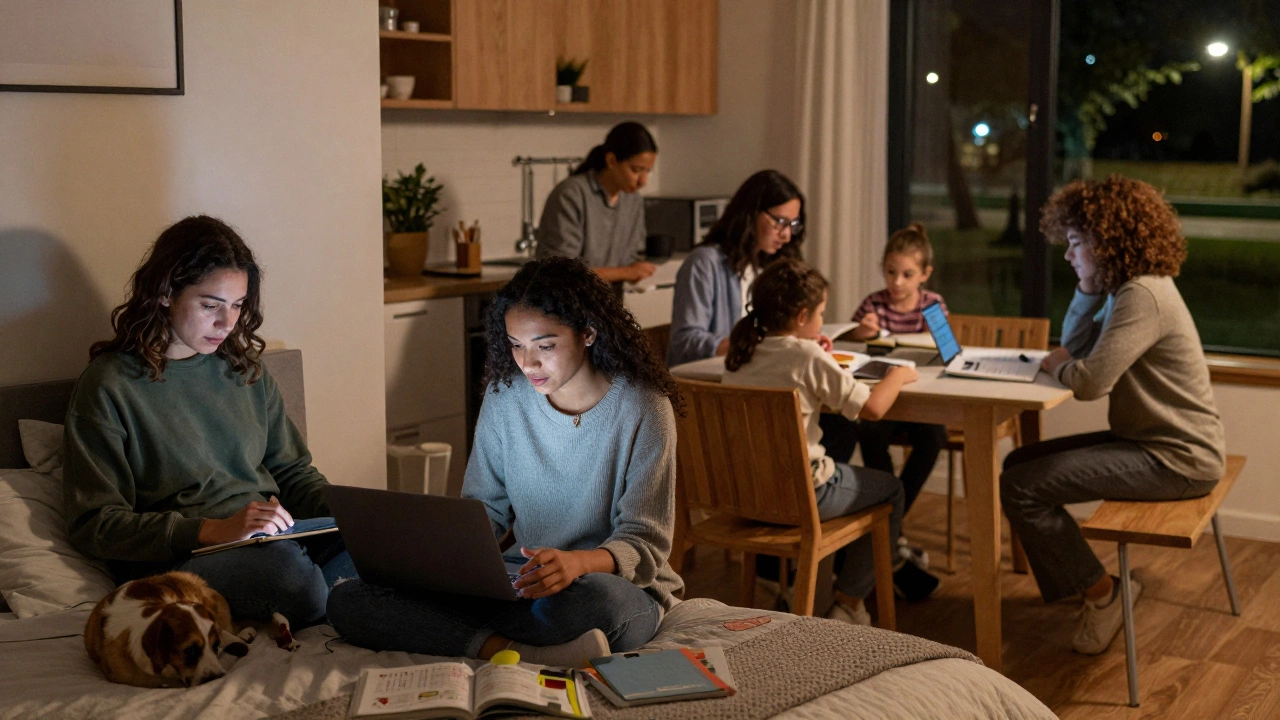
Why Distance Learning Is Better for Modern Students
- Arjun Rathore
- Dec, 4 2025
Distance learning offers real flexibility, lower costs, and better access to quality education. It fits modern life better than traditional classrooms and helps students build skills employers actually want.
Learn More