Programming for Beginners: Where to Start and What Really Matters
When you begin programming for beginners, the process of writing instructions computers understand to solve problems or build tools. Also known as learning to code, it's not about being a math genius or having a computer science degree—it's about persistence, curiosity, and small daily wins. Most people quit because they think they need to master everything at once. But real progress comes from doing one small thing every day—writing a script that renames files, building a simple calculator, or fixing a broken button on a webpage.
self-taught coder, someone who learns programming without formal education, often through online resources and hands-on projects is now the norm, not the exception. Companies don’t care if you went to college—they care if you can solve problems. Look at the posts here: one shows how self-taught coders land jobs with portfolios, not diplomas. Another compares Python and Java salaries, proving that language choice matters less than what you build with it. You don’t need to learn every language. Start with one that fits your goal: Python for automation or data, JavaScript for websites, or even Scratch if you’re under 15 and just testing the waters.
coding for beginners, the first steps into writing code with clear, simple projects that build confidence and understanding isn’t about theory. It’s about doing. The best beginners don’t watch ten hours of tutorials—they spend one hour building something, break it, fix it, and do it again. That’s how memory sticks. The posts below cover exactly this: how to train yourself to code without a teacher, what tools actually help (and which ones just waste time), and how to turn your first script into a job-ready skill. You’ll find real stories from people who started with zero experience and now work in tech. You’ll also see which programming languages pay more in 2025, and why choosing the right one isn’t about trends—it’s about what you want to create.
There’s no magic formula. No secret app. No course that will make you an expert overnight. But there is a path: start small, stay consistent, and focus on output, not perfection. The posts here aren’t about hype—they’re about what works after the first week of confusion, after the first error message, after the first time you thought you’d never get it. If you’re ready to move past the fear and start building, what’s next isn’t another tutorial. It’s your first real project. And the tools to get there are right below.
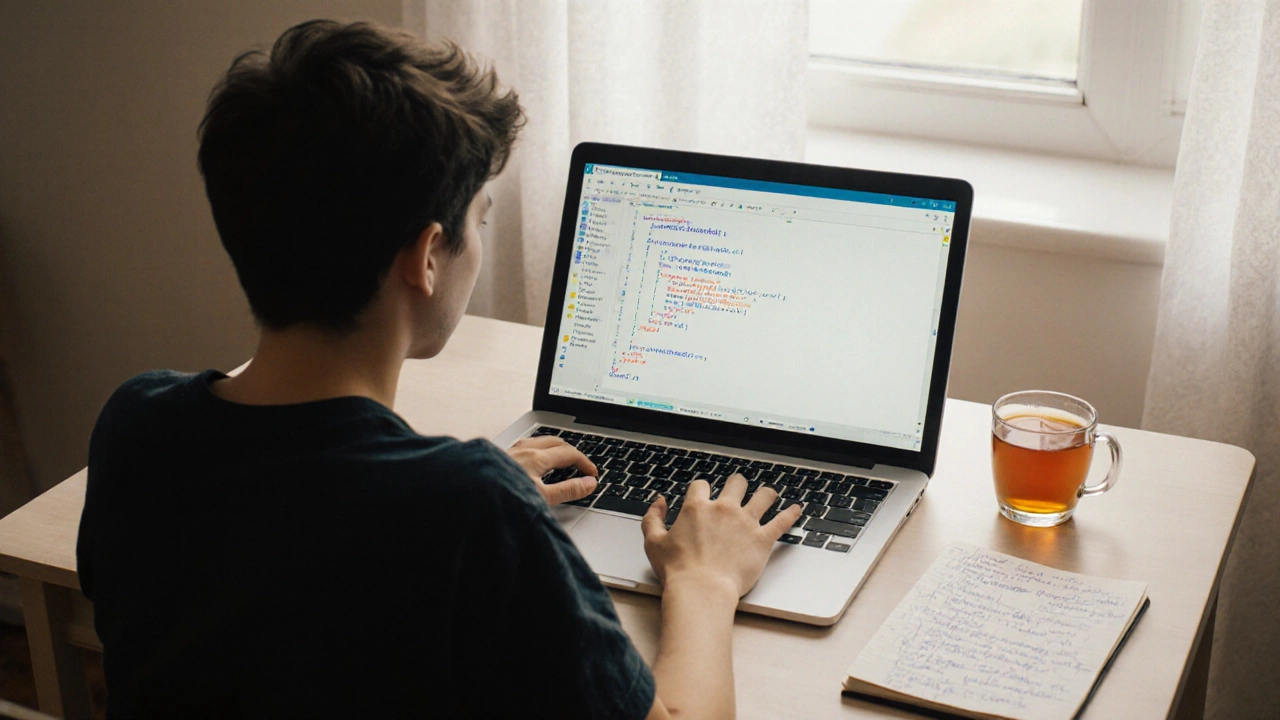
Is coding hard for beginners? Here's what actually matters
- Arjun Rathore
- Nov, 18 2025
Is coding hard for beginners? It’s not about being smart-it’s about showing up. Learn what really matters when starting out, which language to pick, and how to avoid common mistakes that make people quit.
Learn More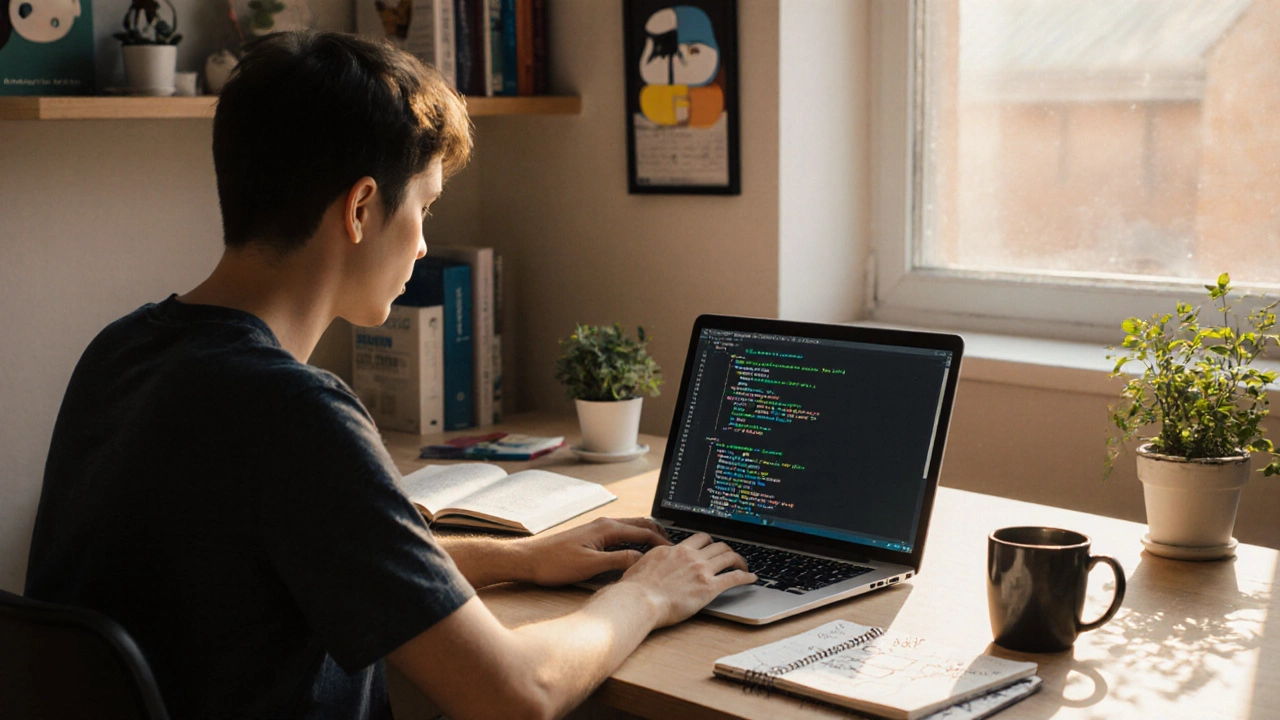
Can I Teach Myself to Code? A Practical Guide for Beginners
- Arjun Rathore
- Oct, 9 2025
Learn how to become a self‑taught programmer with a step‑by‑step roadmap, resource comparisons, daily routines, and pro tips to stay motivated.
Learn More