Online Learning Tools: What Works, What Doesn't, and Who Uses Them
When you think of online learning tools, digital platforms and resources used to acquire knowledge remotely, often without needing a physical classroom. Also known as digital education tools, they include everything from video courses and interactive quizzes to certification programs and virtual tutoring. These aren’t just fancy apps—they’re the backbone of how people now learn skills, switch careers, and get ahead without going back to school.
Not all online learning tools are created equal. Some, like Google certificates, industry-recognized credentials from Google that open doors in tech without a degree, actually get you hired. Others? They sit unused on your dashboard. The difference isn’t the platform—it’s the strategy. People who succeed use these tools to build portfolios, not just check boxes. They pick courses that connect to real jobs, like learning Python for data analysis or mastering teaching platforms to earn $5,000 a month as an online tutor. And they avoid the trap of signing up for ten free MOOCs and doing nothing with them.
What makes a tool useful isn’t how flashy it looks, but whether it fits your life. distance learning, a flexible education model where students learn remotely using digital resources, often without fixed schedules works best for people who juggle jobs, families, or other commitments. It’s not about being disciplined—it’s about designing a system that doesn’t burn you out. That’s why so many students today skip expensive coaching centers and use free or low-cost resources like CLEP exams or community college credits to build college degrees on a budget. And if you’re trying to learn coding, speaking English, or crack JEE, the real secret isn’t the tool—it’s consistency. One hour a day, every day, beats ten hours once a month.
But here’s the part no one talks about: eLearning platforms, websites or apps designed to deliver educational content online, often including video, quizzes, and progress tracking have serious downsides. Isolation. Tech glitches. Zero accountability. That’s why completion rates are often below 10%. The tools are there. The content is free or cheap. But without structure, most people quit. The ones who don’t? They pair their learning with real-world projects, study groups, or accountability partners. They don’t just watch videos—they build something.
So what’s actually worth your time? If you want to break into tech, a Google certificate beats a generic Udemy course. If you’re aiming for a government job abroad, look for countries that pay you to study—not just offer scholarships. If you’re a parent in India wondering if CBSE prepares you for U.S. colleges, the answer isn’t yes or no—it’s about how you present your transcript. The best online learning tools don’t promise magic. They give you the raw materials. You bring the effort.
Below, you’ll find real stories, real data, and real strategies from people who used these tools to change their lives—not just sign up for them. Whether you’re trying to learn a trade in six months, teach English online, or crack IIT JEE without coaching, the right tool can make all the difference. Just make sure you’re using it the right way.
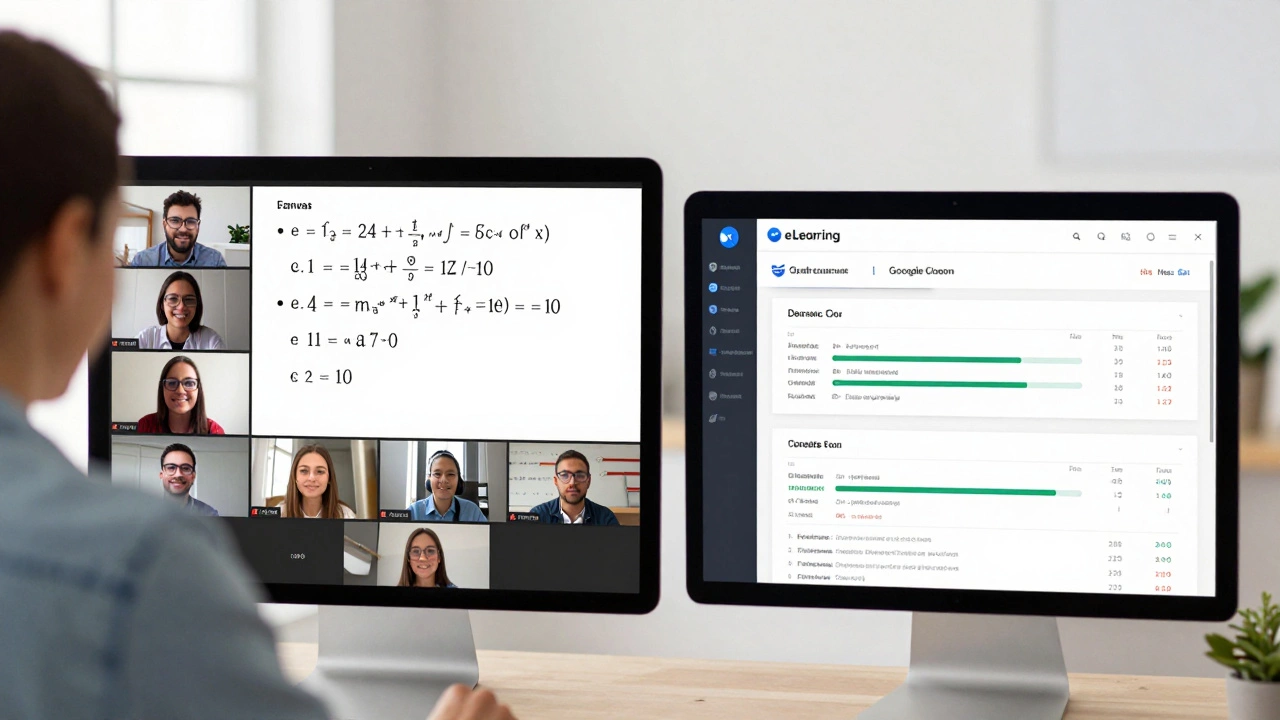
Is Zoom an eLearning Platform? Here's What It Really Does
- Arjun Rathore
- Dec, 1 2025
Zoom isn't an eLearning platform-it's a video tool that powers live classes. True eLearning platforms manage courses, assignments, and progress. Learn how to use Zoom with real learning systems for better results.
Learn More