Online Education: What Works, What Doesn't, and Who It's Really For
When you think of online education, a system of learning delivered through digital tools, often without physical classrooms. Also known as digital learning, it's not just Zoom calls and PDFs—it's a full ecosystem of platforms, tools, and habits that either work for you or leave you behind. Many assume it’s easier than sitting in a classroom, but the truth? It’s harder if you don’t know how to structure your time, stay focused, or use the right tools.
Real eLearning platforms, systems designed to manage courses, track progress, assign work, and assess learning. Also known as learning management systems, they include tools like Moodle, Canvas, or Khan Academy—things that actually organize your learning, not just host videos. Zoom? That’s just a video call app. It doesn’t track your progress, remind you of deadlines, or grade your assignments. A lot of people think they’re doing online education when they’re really just watching YouTube in pajamas. The difference? Structure. The best learners use platforms that hold them accountable, not just entertain them.
And then there’s online teaching, the act of delivering instruction remotely, often through platforms that connect tutors with students. Also known as e-learning instruction, it’s not just about knowing your subject—it’s about knowing how to keep someone engaged through a screen. The highest-paid online tutors aren’t the ones with the fanciest degrees. They’re the ones who know how to explain things simply, build trust fast, and make students feel seen—even through a camera. That’s why someone teaching coding or English online can make $5,000 a month without a university degree.
But here’s what no one talks about: remote education, learning done outside traditional classrooms, often leading to isolation, low completion rates, and tech frustration. Also known as digital education, it’s not for everyone. You need self-discipline. You need a quiet space. You need to fight distraction every single day. That’s why most people who start an online course never finish it. It’s not the content—it’s the lack of structure, the loneliness, the feeling that no one’s checking in.
But if you know how to use it right, online education gives you access to things no classroom ever could: affordable college credits under $100, Google certificates that open doors in tech, or learning a trade like coding or digital marketing in six months flat. You can study CBSE material while living in the U.S., or get a funded master’s degree in Germany—all from your laptop.
This collection doesn’t sugarcoat it. You’ll find real stories from people who cracked IIT JEE using only online resources, tutors who turned teaching into a full-time income, and students who dropped out of traditional school and still landed great jobs. You’ll see why some online tools are useless, which platforms actually pay, and what makes one person succeed while another quits after a week. No fluff. No hype. Just what actually works—if you’re willing to show up.
Who Is the Best for Online Classes? Top Platforms Compared
- Arjun Rathore
- Mar, 6 2026
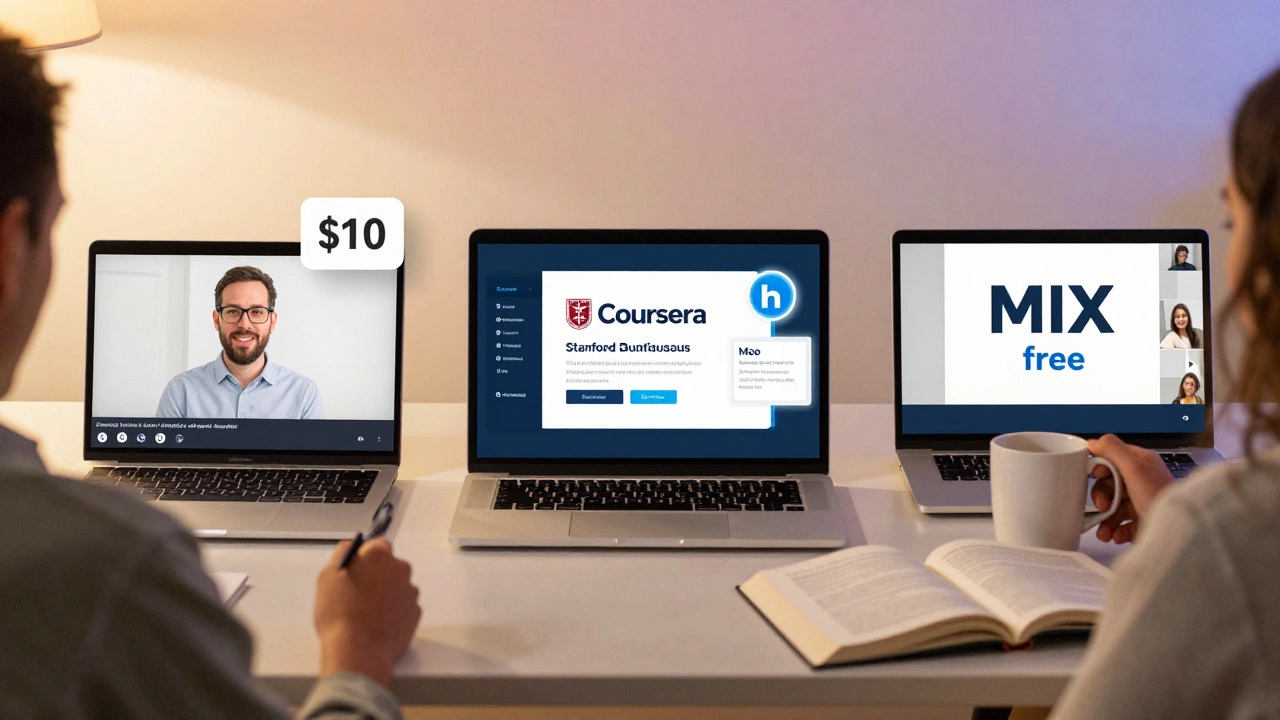
Discover which online learning platforms truly deliver results-whether you're learning to code, advancing your career, or earning recognized credentials. No fluff, just clear comparisons.
Learn More
Why Distance Learning Is Better for Modern Students
- Arjun Rathore
- Dec, 4 2025
Distance learning offers real flexibility, lower costs, and better access to quality education. It fits modern life better than traditional classrooms and helps students build skills employers actually want.
Learn More
Are Online Classes Worth Taking? Real Costs, Benefits, and Surprises
- Arjun Rathore
- Jun, 12 2025
This article looks at whether online classes are actually worth your time and money. It covers everything from the flexibility they offer to the real-world skills you might gain (or miss). Practical tips and findings will help you decide if this way of learning fits your goals and lifestyle. Expect clear answers, a few surprises, and straight talk on what online classes really deliver. Get the facts before you enroll in your next course.
Learn More
How Many Digital Platforms Are There? E-Learning Platforms Explained
- Arjun Rathore
- May, 22 2025
Ever wondered just how many e-learning platforms are out there? From big names like Coursera to niche sites for coding or art, digital learning covers everything. This article breaks down the different types, shows you unique features, and helps you figure out which ones work best for your needs. Get the real numbers, facts, and tips for finding the perfect fit whether you're a beginner or a lifelong learner. No confusing jargon—just clear, practical advice.
Learn More
Is Google a Digital Platform in E-Learning?
- Arjun Rathore
- Mar, 3 2025
This article explores Google's role as a digital platform in the e-learning sector. It examines Google's tools like Google Classroom and Google Meet, which have revolutionized online education. Discover how these tools facilitate virtual learning and why educators worldwide rely on them. The discussion also highlights practical tips for using Google's e-learning tools effectively.
Learn More
Google Training Platform: Explore Learning Possibilities
- Arjun Rathore
- Feb, 12 2025
Google offers a variety of training platforms to boost skills across numerous disciplines. From tech to marketing, Google's offerings accommodate different learning styles with flexible online courses. Here, we'll explore what Google brings to the table, including handy certification options and accessible resources for both beginners and professionals. Discover how Google platforms can become an invaluable part of your learning journey.
Learn More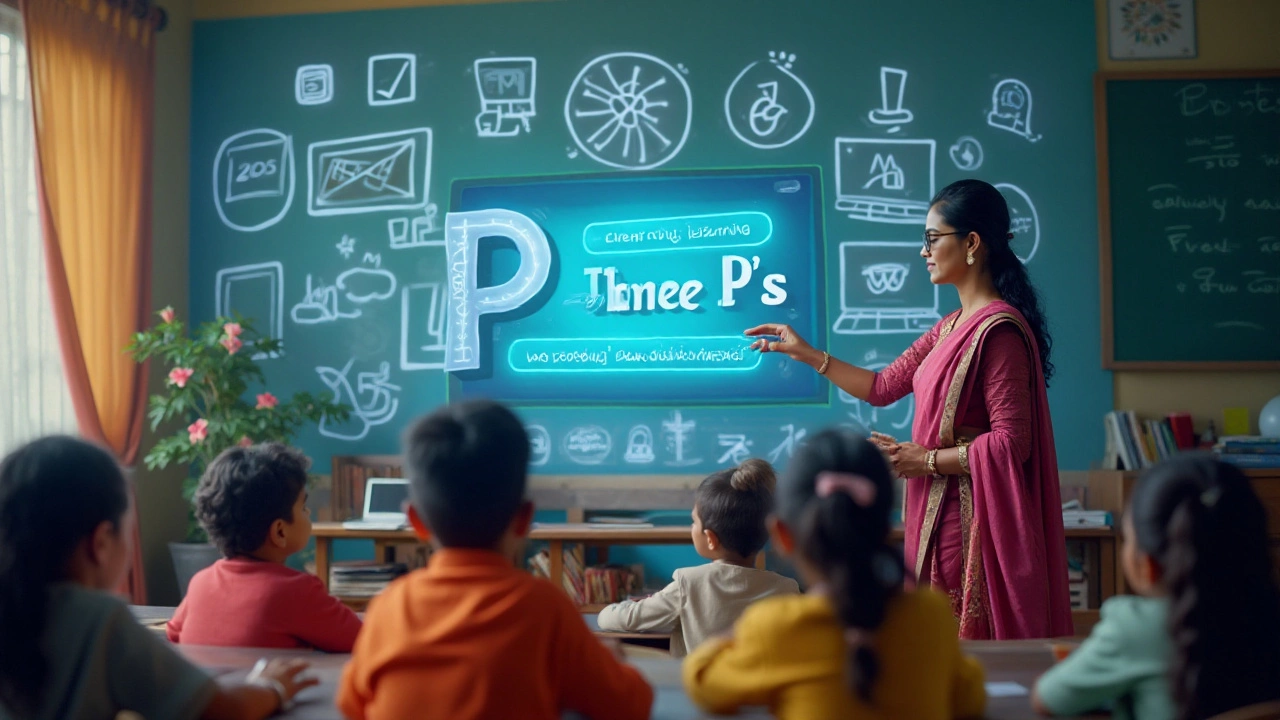
Mastering eLearning: The Three P's You Need to Know
- Arjun Rathore
- Jan, 30 2025
In the rapidly evolving world of digital education, understanding the Three P's of eLearning—Preparation, Participation, and Personalization—can transform how learners engage with online platforms. This article dives deep into each component, exploring practical ways to implement them effectively. Preparation sets the foundation, Participation ensures active engagement, and Personalization tailors the learning experience to individual needs. By focusing on these elements, educators and learners alike can enhance the online education journey.
Learn More