Flexible Learning: How to Learn on Your Own Terms in India's Education System
When you think of learning, you probably picture a classroom, a bell, and a strict schedule. But flexible learning, a way of studying that lets you control your pace, time, and environment. Also known as self-paced education, it’s no longer the exception—it’s becoming the rule for students in India who need to balance exams, jobs, or family. This isn’t about skipping work. It’s about designing a path that fits your life, not the other way around.
Flexible learning isn’t just watching videos on YouTube. It’s using tools like eLearning platforms, digital systems that manage lessons, assignments, and progress tracking. Also known as online learning, they let you pick what to study and when. Think of it like choosing your own adventure—but instead of dragons, you’re tackling JEE problems or learning Python. You can study at 2 a.m. after a shift, take a break when your kid naps, or rewind a lecture until it clicks. And it’s not just for college kids. A single mom in Jaipur is using it to earn a Google certificate. A student in Patna is preparing for IIT JEE without coaching, using free MOOCs and mock tests. A teacher in Kerala is building a side income by teaching English online—all because flexible learning removed the walls.
But it’s not magic. It demands discipline. You won’t have a teacher breathing down your neck. You need to set your own deadlines, track your progress, and stay focused when distractions are everywhere. That’s why the most successful learners aren’t the ones with the best resources—they’re the ones who show up consistently. They use calendars, apps, or even sticky notes to stay on track. They know that remote education, learning from home or anywhere without being physically present in a classroom. Also known as self-directed learning, it works best when you treat it like a real job. You wouldn’t skip work because you didn’t feel like it. Don’t skip your study session either.
What you’ll find below are real stories and practical guides from students and teachers who’ve made flexible learning work in India. Some cracked IIT JEE without coaching. Others turned a Google certificate into a job. Some built full-time incomes teaching online. A few even saved thousands by choosing the cheapest college courses available. These aren’t outliers. They’re proof that when you take control of how and when you learn, you unlock options that traditional systems never offered. Whether you’re preparing for UPSC, learning to code, or trying to switch careers—this collection gives you the tools to do it on your own terms.
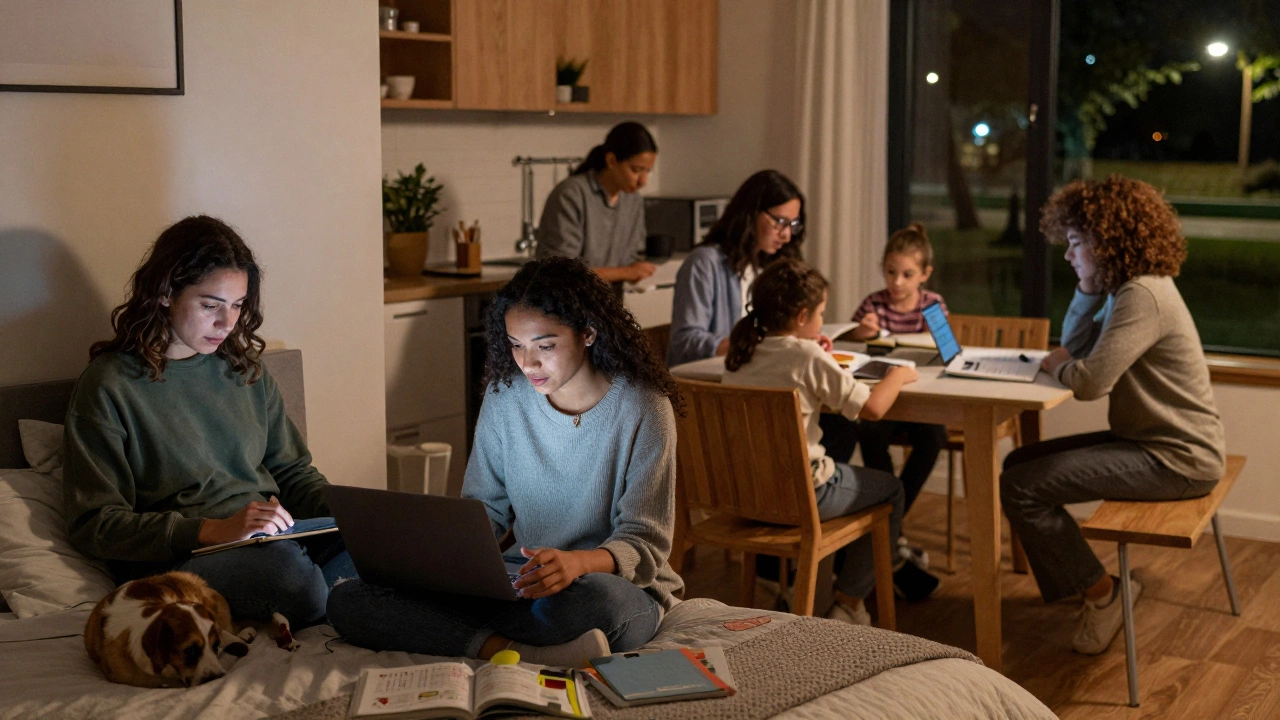
Why Distance Learning Is Better for Modern Students
- Arjun Rathore
- Dec, 4 2025
Distance learning offers real flexibility, lower costs, and better access to quality education. It fits modern life better than traditional classrooms and helps students build skills employers actually want.
Learn More