Distance Learning: What It Really Means and How It Works Today
When you think of distance learning, a way to earn skills or degrees without being physically present in a classroom. Also known as remote education, it’s not just about watching recorded lectures—it’s a system built on self-discipline, tech tools, and personal motivation. Many assume it’s easier than going to campus, but the truth? It’s often harder. You’re responsible for your own schedule, your focus, and your progress. No one’s there to remind you to log in or finish an assignment. That’s why completion rates for online courses are often below 10%—it’s not the content that fails, it’s the structure.
Distance learning relies on a few key pieces: eLearning platforms, systems that host lessons, track progress, and manage assignments, like Moodle or Canvas; online courses, structured learning paths with clear goals and assessments; and tools like Zoom, which people often confuse with full learning systems—but Zoom is just a video call, not a course. Real distance learning includes quizzes, feedback loops, deadlines, and peer interaction. It’s not passive. It’s active, and it demands effort.
Some of the most successful learners using distance learning aren’t the ones with the best internet or the fanciest setup—they’re the ones who treat it like a job. They set fixed hours, block distractions, and track small wins. You’ll find this mindset in posts about how people make $5,000 a month teaching online, or how self-taught coders landed jobs without degrees. They didn’t wait for motivation. They built systems. And they used distance learning as a tool, not a shortcut.
It’s also not just for students. Working adults use it to switch careers. Parents use it to upskill without leaving home. People in small towns use it to access training no local college offers. The cheapest college courses, Google certificates, and trade programs—all of these live under the umbrella of distance learning. But knowing that doesn’t help unless you know how to make it stick.
Here’s what you’ll find in the posts below: real stories about what works, what doesn’t, and why so many people quit online learning after the first week. You’ll see how Zoom fits into the bigger picture, what the biggest downsides are, and how to pick the right course so you don’t waste time or money. There’s no fluff. Just what you need to know before you click enroll.
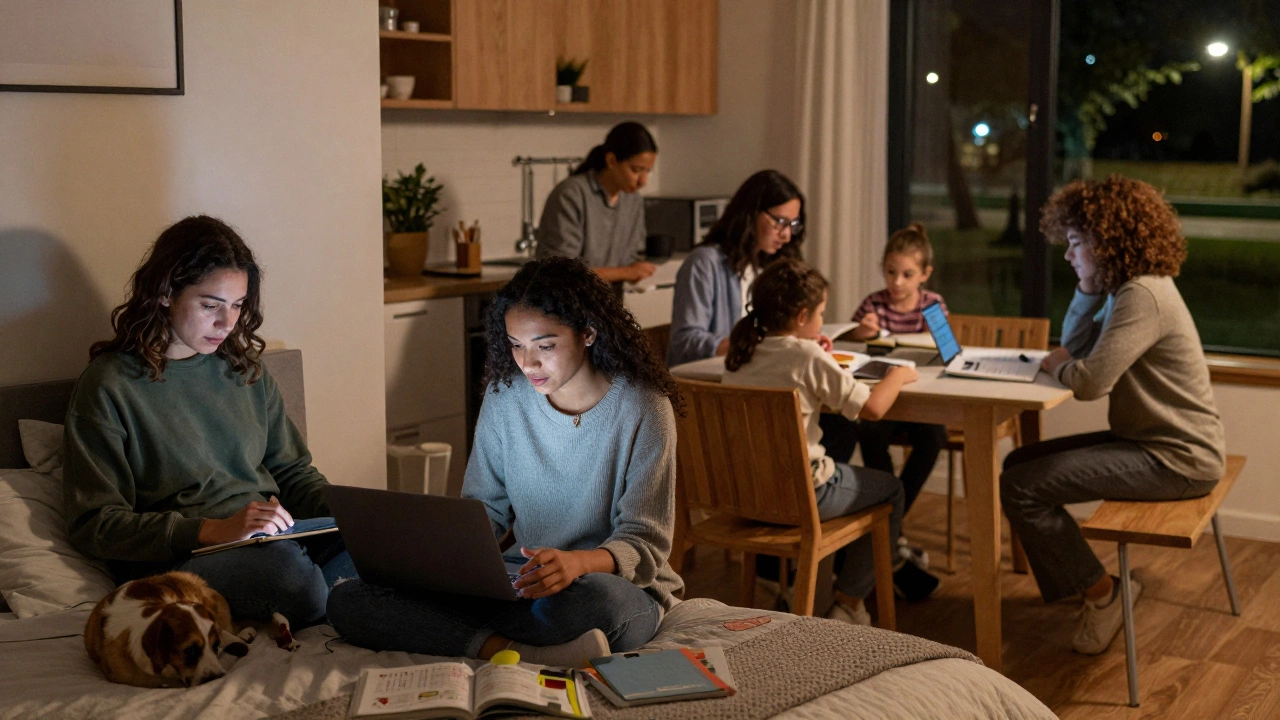
Why Distance Learning Is Better for Modern Students
- Arjun Rathore
- Dec, 4 2025
Distance learning offers real flexibility, lower costs, and better access to quality education. It fits modern life better than traditional classrooms and helps students build skills employers actually want.
Learn More