Coding Classes: What They Really Teach and Who Benefits Most
When you sign up for coding classes, structured lessons that teach programming skills, often through online platforms or local centers. Also known as programming courses, they're not just about learning syntax—they're about building problem-solving habits that employers actually look for. The best ones don’t just show you how to write a loop or fix a bug. They train you to think like a developer: patient, persistent, and focused on results, not perfection.
Many people assume you need a degree to land a tech job. But the posts here show something different: self-taught coders, people who learned programming outside formal education, often through free resources and personal projects are getting hired at companies like Google and startups alike. What sets them apart? A strong portfolio, clear communication during interviews, and the ability to ship real code—not just complete exercises. programming languages, tools like Python, Java, and JavaScript that power software, websites, and apps matter, but not as much as how you use them. A Python learner who builds a tool that saves time for a small business has more value than someone who memorizes 100 Java methods without applying them.
Coding classes work best when they’re tied to real goals. If you want to switch careers, focus on languages and tools that match job postings in your area. If you’re curious, start with Python—it’s beginner-friendly and used everywhere from data analysis to automation. Don’t waste time on courses that promise "guaranteed jobs" without showing you how to build something tangible. The real win isn’t finishing a course—it’s having something to show for it.
The collection below includes real stories and data from people who’ve walked this path. You’ll find what coding bootcamps actually deliver, how Java and Python compare in pay, and why some self-taught coders earn more than graduates. There’s no magic formula. Just clear steps, honest results, and what works right now in 2025. Keep reading—you’ll find the path that fits your life, not someone else’s.
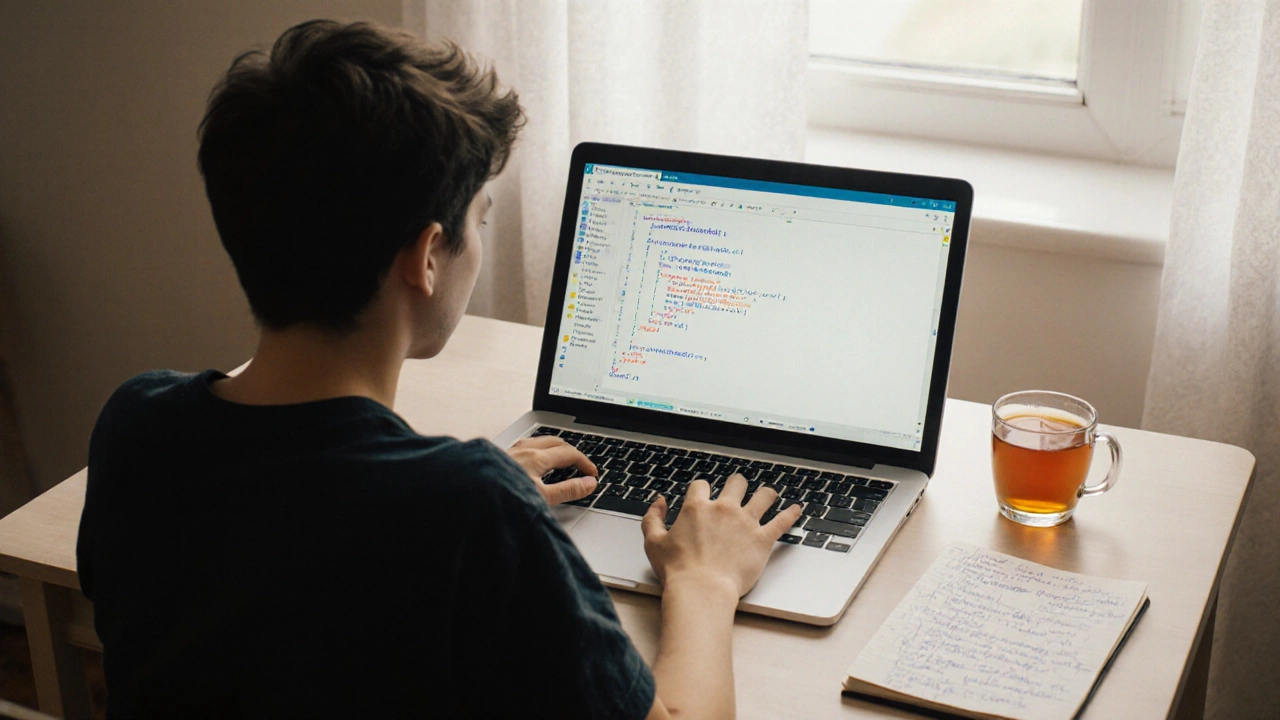
Is coding hard for beginners? Here's what actually matters
- Arjun Rathore
- Nov, 18 2025
Is coding hard for beginners? It’s not about being smart-it’s about showing up. Learn what really matters when starting out, which language to pick, and how to avoid common mistakes that make people quit.
Learn More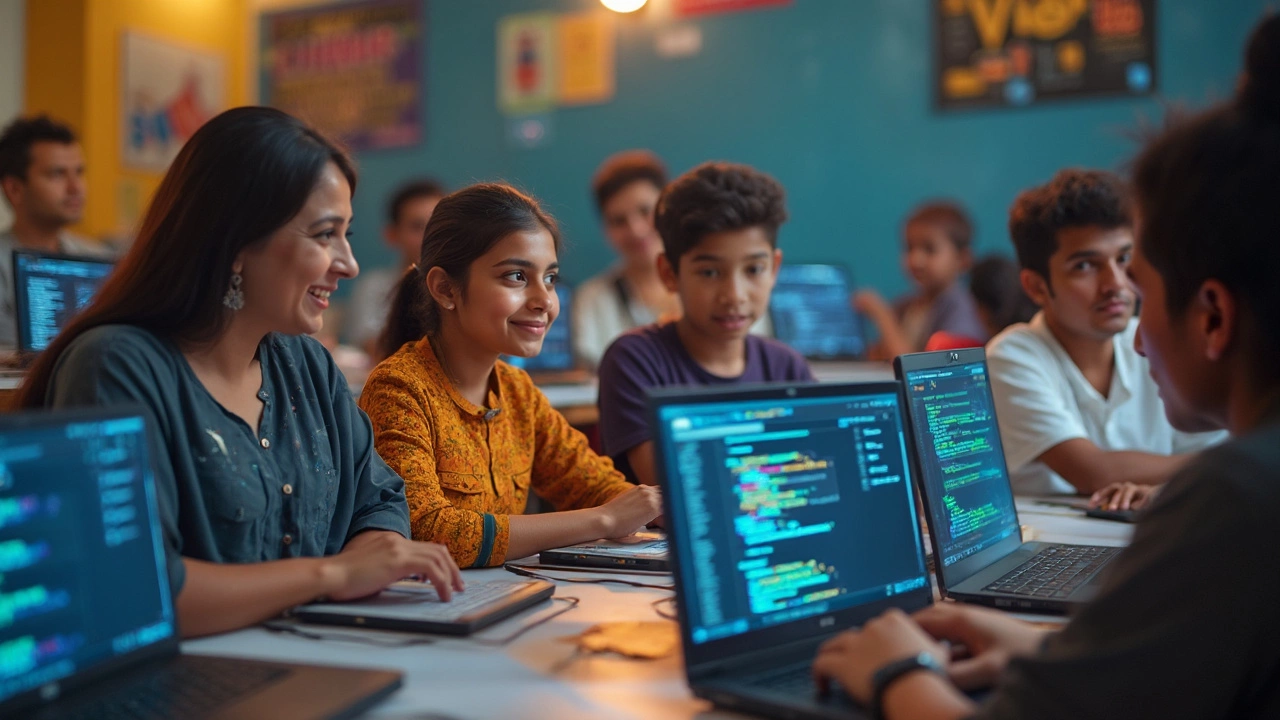
5 Types of Codes: A Simple Guide for Coding Classes
- Arjun Rathore
- May, 21 2025
This article breaks down the five main types of codes you’ll run into while learning to code. It covers what each code type does, where you’ll see it, and how it’s used in the real world. Find out which types are best for beginners and which are essential for building apps, websites, and more. You’ll pick up cool facts and simple tips to help you figure out what to focus on in coding classes. Perfect for anyone just getting started or looking to level up their programming skills.
Learn More
How Fast Can You Learn Coding?
- Arjun Rathore
- Apr, 3 2025
Learning to code can be a swift journey if you approach it the right way. This article dives into key strategies, including choosing the right programming language and utilizing effective learning resources, to accelerate your coding skills. It explores coding bootcamps as a fast-track option and highlights essential skills that can ease the process. Experience and dedication also play a critical role in how quickly you can master coding.
Learn More