
TV Series Learning Matchmaker
Your Profile
Active Watching Tip:
Select your profile and click "Find My Show" to get personalized recommendations.
Watching television is one of the most effective ways to pick up a new language, but only if you do it right. If you just sit back and let the noise wash over you, you won’t learn much. You need a strategy. The right TV series can teach you slang, idioms, pronunciation, and cultural context that textbooks simply cannot match. However, picking the wrong show can be frustrating. Complex plots or fast-talking characters might leave you feeling lost rather than inspired. This guide breaks down exactly which series work best for different levels of English proficiency, how to use them effectively, and why passive watching isn't enough.
Why TV Shows Work Better Than Textbooks
Textbooks are great for grammar rules, but they often fail to capture how people actually speak. Real-life English is messy. People interrupt each other, mumble, use contractions like "gonna" instead of "going to," and rely heavily on tone and body language. Television provides this authentic exposure. When you watch a show, you are not just hearing words; you are seeing the facial expressions that accompany them. This helps your brain connect meaning to sound in a natural way.
Moreover, repetition is key to language acquisition. In a textbook, you might see a phrase once and move on. In a TV series, favorite characters repeat their catchphrases and common greetings across multiple episodes. This spaced repetition reinforces vocabulary without making it feel like studying. You start to anticipate what someone will say before they say it, which is a huge milestone in fluency.
Choosing Shows Based on Your Proficiency Level
Not all shows are created equal when it comes to learning. A beginner watching a complex political thriller will likely give up after ten minutes. You need to match the complexity of the dialogue to your current skill level. Here is a breakdown of recommended series by proficiency level.
For Beginners (A1-A2)
If you are just starting out, avoid dramas with heavy accents or rapid-fire dialogue. Instead, look for animated series or sitcoms with simple, everyday conversations. Animation is particularly useful because voice actors tend to enunciate clearly, and the visual cues are exaggerated and easy to understand.
- Friends: This classic sitcom remains a top choice for beginners. The vocabulary is mostly related to daily life-dating, work, coffee shops, and friendship. The characters speak relatively slowly, and the humor is often visual, helping you follow along even if you miss a word.
- The Simpsons: As an animated show, it offers clear audio. While some jokes rely on cultural references, the basic family dynamics and school settings provide familiar contexts for learners.
- Extra English: Specifically designed for learners, this British soap opera features simplified language and slower speech patterns. It’s less entertaining than mainstream hits, but highly effective for absolute beginners.
For Intermediate Learners (B1-B2)
At this stage, you can handle more complex sentence structures and faster pacing. You should aim for shows that introduce professional vocabulary or specific cultural nuances. Sitcoms and workplace comedies are ideal here.
- The Office (US Version): This mockumentary style show uses a lot of workplace jargon and dry humor. The characters often talk directly to the camera, which feels like a personal conversation. You’ll learn about American business culture and sarcasm.
- Modern Family: With its diverse cast, including children and immigrants, this show covers a wide range of accents and age groups. The dialogue is natural and covers family issues, parenting, and social topics.
- Parks and Recreation: Similar to The Office but with more upbeat energy. It introduces government and community planning vocabulary in a light-hearted way.
For Advanced Learners (C1-C2)
Advanced learners should challenge themselves with dense dialogue, historical contexts, or specialized terminology. These shows require active listening and may involve unfamiliar accents or abstract concepts.
- Game of Thrones: This fantasy series uses archaic language and formal speech patterns. It’s excellent for expanding your vocabulary beyond modern colloquialisms. Be prepared for many made-up names and places, which can be tricky at first.
- The Crown: Set in the British royal family, this drama features Received Pronunciation (RP), the standard accent taught in many schools. It’s perfect for mastering formal English and understanding British history and etiquette.
- Black Mirror: Each episode is a standalone story dealing with technology and society. The vocabulary is technical and philosophical, pushing you to think critically in English.
The Role of Subtitles in Language Learning
Subtitles are a double-edged sword. They can help you connect spoken words to written text, but they can also make you lazy, causing you to read instead of listen. How you use them depends on your goal.
| Strategy | Best For | Pros | Cons |
|---|---|---|---|
| Native Language Subtitles | Absolute Beginners | Helps understand plot quickly | You stop listening to English entirely |
| English Subtitles | Beginner to Intermediate | Connects sound to spelling; improves reading speed | You may rely too much on reading |
| No Subtitles | Intermediate to Advanced | Forces active listening; mimics real conversation | Can be frustrating if you miss too much |
I recommend starting with English subtitles if you are intermediate. Try to turn them off for short scenes where the dialogue is simple. Gradually increase the time you spend without any text support. This trains your ear to pick up sounds without visual aids.

Active Watching Techniques
Passive viewing yields minimal results. To truly improve, you must engage with the content actively. Here are three techniques to maximize your learning:
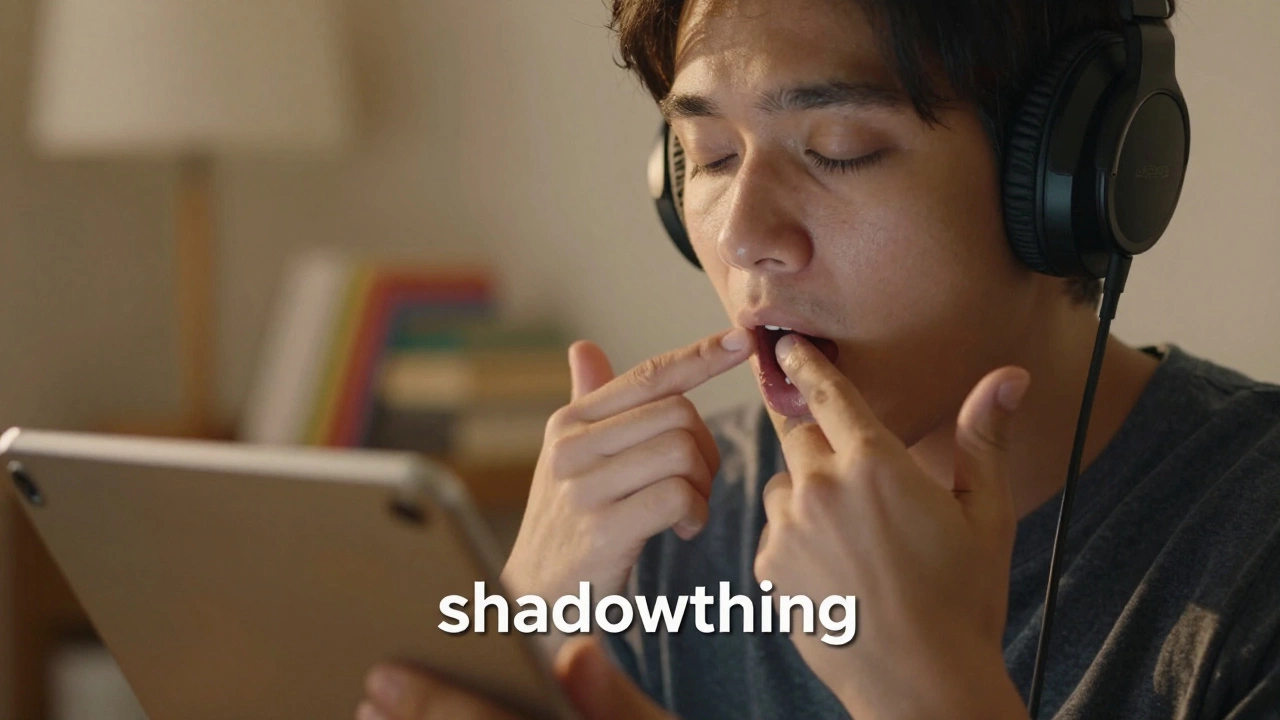
- Shadowing: Pause the video after a character speaks a short sentence. Repeat it aloud, trying to mimic their intonation, speed, and emotion. This improves your pronunciation and speaking rhythm.
- Vocabulary Journaling: Keep a notebook nearby. Write down new words or phrases you hear repeatedly. Look up their meanings later, not during the show, to maintain flow. Review these notes the next day.
- Episode Rewatching: Watch an episode once for enjoyment. Then, watch it again a few days later with English subtitles. You will notice details you missed the first time, such as background conversations or subtle jokes.
Cultural Context and Slang
Language does not exist in a vacuum. It is tied to culture. Watching American shows teaches you about individualism, direct communication, and specific holidays like Thanksgiving. British shows offer insights into class systems, indirect politeness, and dry wit. Understanding these cultural undercurrents is crucial for true fluency. You might know every word in a sentence but still misunderstand the joke because you lack the cultural background.
Slang is another area where textbooks fall short. Phrases like "break a leg," "hit the sack," or "spill the tea" are common in daily speech but rarely appear in formal writing. TV series expose you to these idioms in context, making them easier to remember and use correctly.
Common Pitfalls to Avoid
Many learners make the mistake of switching between too many shows. Stick to one series for at least five episodes. This allows you to get used to the characters’ voices and recurring themes. Jumping from a medical drama to a sci-fi epic confuses your brain with new vocabularies constantly.
Another pitfall is focusing solely on entertainment value. If a show is too difficult, you will lose interest. Balance is key. Choose something enjoyable enough to keep you coming back, but challenging enough to push your boundaries slightly. If you understand less than 60% of the dialogue, the show is likely too hard.
Conclusion
Improving your English through TV series is a fun and effective method if approached strategically. Match the show to your level, use subtitles wisely, and engage actively with the content. Over time, you will find yourself thinking in English, recognizing accents, and understanding cultural nuances that go beyond grammar rules. Start with a simple sitcom, build your confidence, and gradually move to more complex dramas. Your ears will thank you.
How long does it take to improve English by watching TV?
It varies based on consistency. Watching 30 minutes daily with active techniques like shadowing can lead to noticeable improvements in listening comprehension within 3-6 months. Passive watching takes much longer.
Should I watch American or British TV shows?
Choose based on your goals. If you plan to live or work in the US, stick to American shows. For the UK or Commonwealth countries, choose British series. Mixing both can be confusing due to different vocabularies and accents.
Is it better to watch movies or TV series for learning?
TV series are generally better because they offer repetitive exposure to characters and settings. Movies have unique plots and vocabularies that change frequently, whereas series allow you to become familiar with recurring language patterns.
Can I learn grammar from TV shows?
You can reinforce grammar knowledge, but you shouldn't rely on TV for initial grammar lessons. Shows demonstrate correct usage in context, which helps internalize rules, but they don't explain the 'why' behind the structure.
What if I don't understand the jokes?
Don't worry. Humor is often the last thing learners grasp. Focus on understanding the main plot and dialogue first. Over time, as your cultural knowledge grows, you will start to appreciate the humor.