2010 April Education Trends in India
When thinking about Indian education system, the structured network of schools, colleges, and exam bodies that shape learning across the country. Also known as school and college framework in India, it was undergoing quiet but important shifts in April 2010—especially around how students prepared for high-stakes tests. That month, thousands of students were deep into competitive exams, rigorous entrance tests like IIT-JEE, AIEEE, and medical entrance exams that decide future careers. Also known as engineering and medical entrance tests, these exams weren’t just about memorizing formulas—they required strategy, timing, and mental stamina. Parents and teachers were scrambling for reliable exam preparation, the practical methods and materials students use to study effectively for these tough tests. Also known as study plans for competitive exams, good preparation meant more than buying books—it meant knowing which topics showed up every year, how to manage stress, and where to find real practice questions.
April 2010 was also when several states began reviewing their education policy, the official rules and goals set by government bodies to guide how schools and exams operate. Also known as state-level academic guidelines, changes were being discussed around syllabus simplification, board exam reforms, and how to reduce coaching dependency. While national-level decisions took longer to roll out, local schools started experimenting with new ways to support students without pushing them into expensive coaching centers. Behind the scenes, educators were sharing student resources, free or low-cost tools like sample papers, time-management charts, and subject-wise tips. Also known as study aids for Indian students, these weren’t flashy apps or video courses—they were PDFs passed between friends, handwritten notes from top scorers, and old question banks from local libraries. The focus wasn’t on shortcuts. It was on consistency. On knowing what actually worked after years of trial and error.
What you’ll find in this archive isn’t just old posts—it’s a snapshot of what real students and teachers were dealing with during a critical time. No hype. No fluff. Just practical advice on how to tackle IIT-JEE papers, how to handle board exam pressure, and how to make the most of limited study time. These articles were written by people who’d been through it, not by marketers selling courses. If you’re looking for the truth about what preparation looked like back then, this is where it lives.
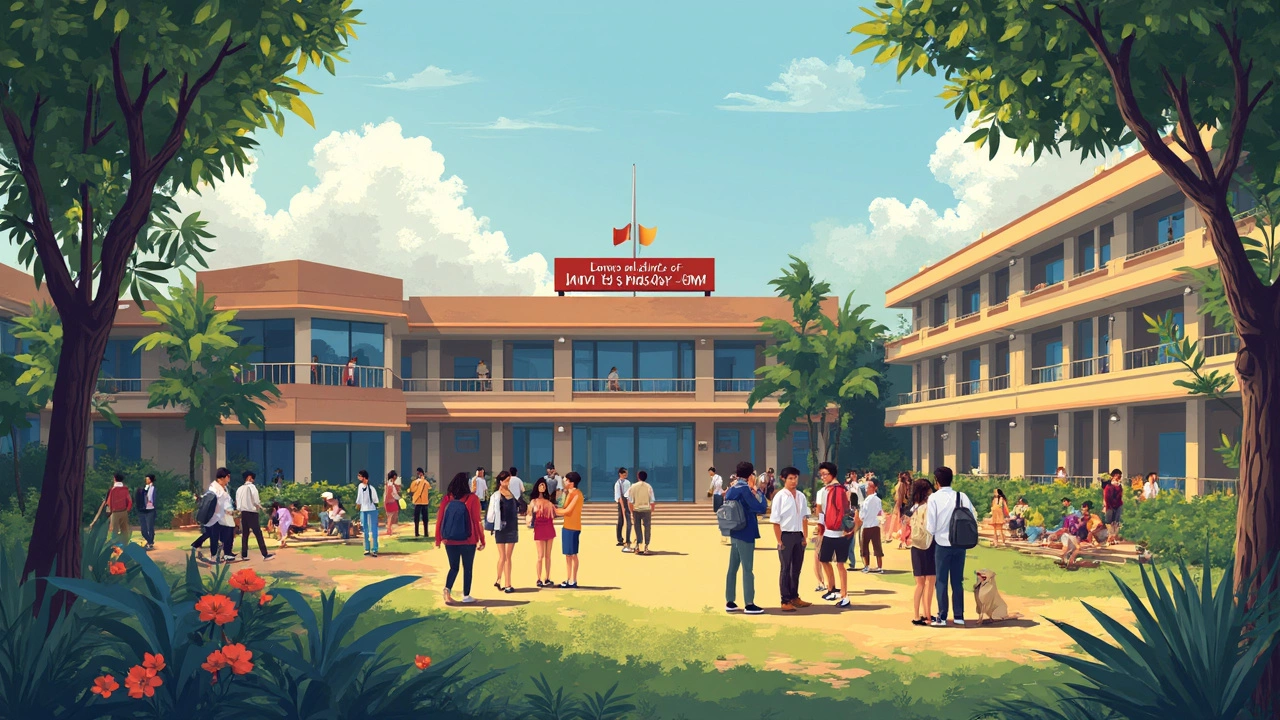
Exploring IIM Sambalpur: A Modern Business School
- Arjun Rathore
- Apr, 21 2010
IIM Sambalpur, established in 2015, offers diverse management programs from MBAs to doctoral studies, with a focus on practical learning and international collaborations. Nestled on a sprawling new campus, it combines contemporary education with cultural exchanges, ranking it among top institutions. Admissions focus on CAT scores, bolstered by government guidelines for inclusivity.
Learn More
Pearl Academy: Leading the Way in Fashion and Design Education
- Arjun Rathore
- Apr, 3 2010
Pearl Academy, established in 1993, stands out as a top Indian institute in fashion, design, and media education. Initially collaborating with Nottingham Trent University, it transitioned to Global University Systems in 2019. The academy is renowned for industry partnerships and an emphasis on hands-on learning, operating across multiple campuses in India. Notable alumni include model Alisshaa Ohri and actress Keerthy Suresh.
Learn More