Interactive Timeline: Evolution of Distance Learning
Click on any generation below to expand details about its primary technology, interaction model, and key milestones.
Correspondence & Print
One-to-One (Asynchronous)
Key Figure: Sir Isaac Pitman (UK) pioneered shorthand lessons via mail in 1843/1856.
Milestone: University of Wisconsin offered first degree programs via correspondence in 1870.
Impact: Decoupled learning from location, allowing farmers and workers to study at home.
Radio Broadcasting
One-to-Many (Passive)
Milestone: Iowa State College launched first university-level radio course in 1922.
Limitation: Passive listening; no immediate feedback mechanism.
Hybrid Model: Students listened to lectures, then mailed answers for grading.
Television & Video
One-to-Many + Postal Feedback
Gold Standard: UK Open University (founded 1969) integrated TV/radio with printed texts.
Scale: Over 200,000 students enrolled at peak.
Insight: High-quality production values enhanced engagement without physical campuses.
Internet & LMS
Interactive (Many-to-Many)
Milestone: University of Phoenix launched one of first fully online degrees in 1995.
Technology: Rise of Blackboard/Canvas centralized materials and grades.
Shift: From broadcast to interactive discussion boards and instant email feedback.
MOOCs & Mobile/AI
Scalable & Adaptive
Explosion: MOOCs (Coursera, edX) democratized access to elite content starting ~2012.
Flexibility: Micro-learning on smartphones; AI tailors pacing to individuals.
Current State: Distance learning is now a primary mode for millions, not just an alternative.
You might think distance learning is a product of the internet age, born from Zoom calls and Coursera dashboards. But here’s the twist: the first distance student received their lesson via regular mail in 1856. That’s right, long before electricity was common in homes, let alone computers, people were already breaking down geographical barriers to education. If you’ve ever wondered how we got from ink-stained letters to AI-powered tutoring, the answer lies in a fascinating timeline of technological leaps and educational necessity.
The Birth of Correspondence Study
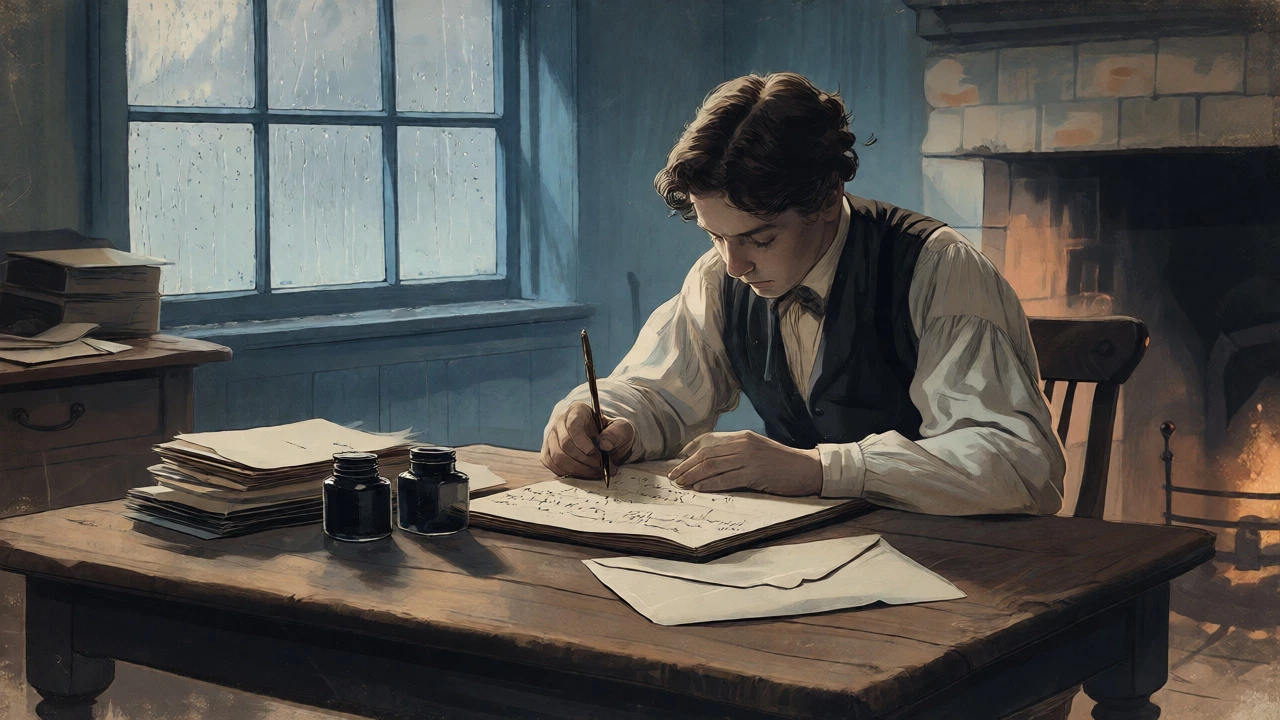
The story begins in the mid-19th century with Sir Isaac Pitman, a British educator who wanted to teach shorthand. In 1843, he started sending lessons by post to students across England. By 1856, this method had formalized into what we now recognize as the first true correspondence course. Pitman’s approach was revolutionary because it decoupled learning from location. You didn’t need to be in London or Bristol; you just needed a mailbox and the discipline to study at your kitchen table. This era established the core principle of distance education: asynchronous communication between teacher and learner.
While Pitman focused on skills like shorthand, universities soon caught on. In 1870, the University of Wisconsin offered its first degree programs via correspondence, marking a significant shift from vocational training to accredited higher education. This wasn't just about convenience; it was about access. Farmers, factory workers, and women-who often faced restrictions on campus attendance-could finally pursue degrees without uprooting their lives.
Radio Waves and the Second Generation
If the 19th century was about paper, the early 20th century was about airwaves. The invention of radio changed everything. Suddenly, educators could broadcast lectures to thousands of listeners simultaneously. In the United States, Iowa State College launched the first university-level radio course in 1922. This was second-generation distance education, characterized by one-to-many broadcasting.
However, radio had a flaw: it was passive. You listened, but you couldn’t easily ask questions or submit assignments back through the same medium. To solve this, institutions combined radio broadcasts with postal correspondence. Students would listen to the lecture, then mail in their answers for grading. This hybrid model proved surprisingly effective, especially during World War II when many soldiers studied via radio while stationed overseas. It laid the groundwork for the idea that media could deliver content, but human interaction still mattered for assessment.
Television and the Open University Model
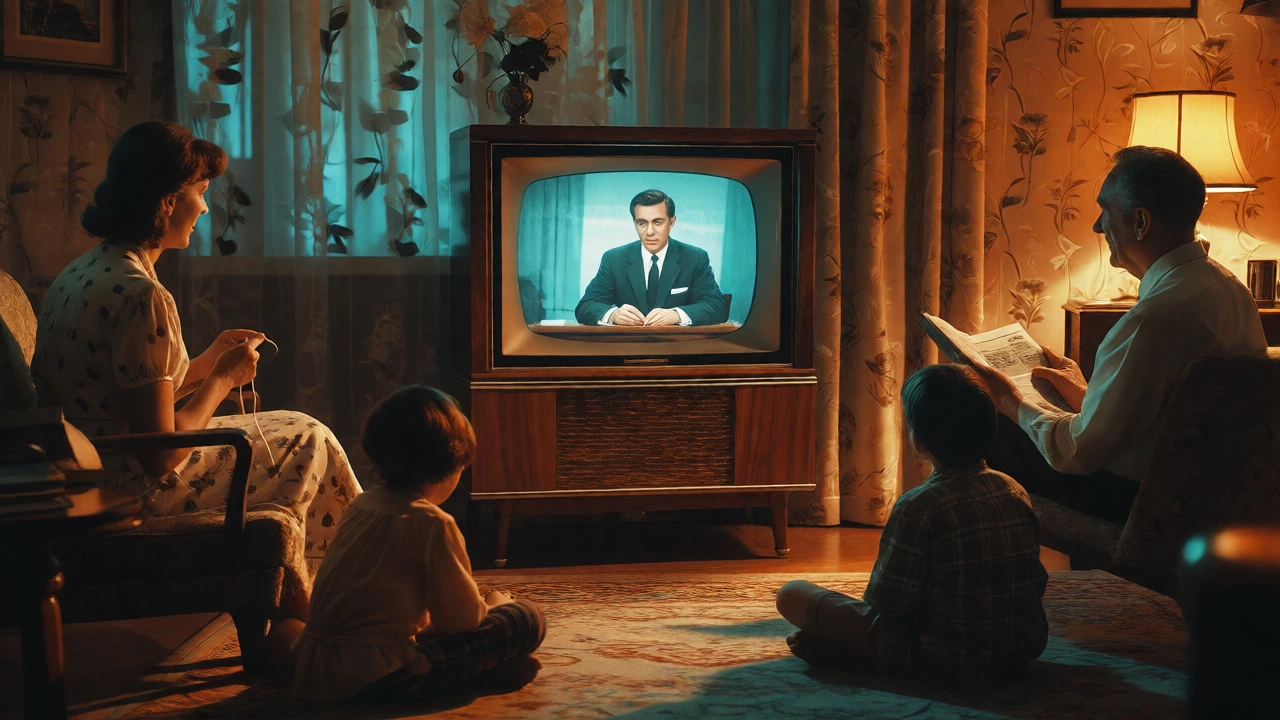
By the 1960s, television had become a household staple, and educators saw an opportunity. The UK’s Open University (OU), founded in 1969, became the global gold standard for third-generation distance learning. Unlike earlier models, the OU didn’t just broadcast random lectures; it created carefully produced TV and radio programs specifically designed to complement printed textbooks and mailed assignments.
The OU’s success demonstrated that high-quality production values could make remote learning engaging. At its peak, over 200,000 students were enrolled, proving that prestigious education didn’t require a physical campus. This model influenced universities worldwide, showing that technology could enhance, not replace, pedagogical rigor. The key takeaway? Content structure matters more than the delivery channel.
The Digital Revolution and Fourth Generation
The arrival of personal computers in the 1980s and the internet in the 1990s triggered the fourth generation of distance education. This era shifted from broadcast (one-to-many) to interactive (many-to-many). Email allowed instant feedback, replacing the weeks-long delay of postal mail. Early web-based platforms emerged, offering discussion boards where students could debate topics asynchronously.
In 1995, the University of Phoenix launched one of the first fully online degree programs, signaling that virtual campuses were viable. This period also saw the rise of Learning Management Systems (LMS) like Blackboard and Canvas, which centralized course materials, grades, and communications. The barrier to entry dropped significantly; all you needed was a dial-up connection and a computer.
Fifth Generation: MOOCs and Mobile Learning
The current era, often called fifth-generation distance learning, began around 2012 with the explosion of Massive Open Online Courses (MOOCs). Platforms like Coursera, edX, and Udacity democratized access to elite university content. For the first time, anyone with an internet connection could take a class from Harvard or Stanford for free or a low fee.
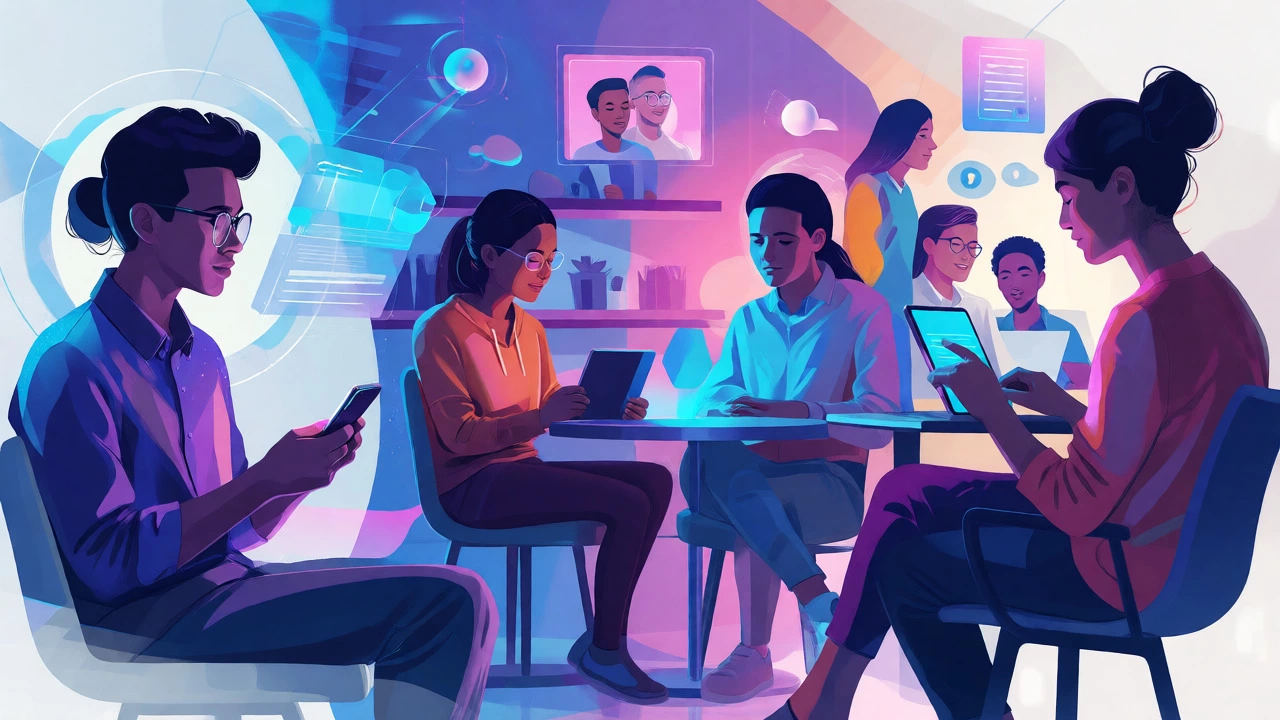
This generation is defined by scalability and flexibility. Mobile apps allow learning on smartphones, enabling micro-learning sessions during commutes. Artificial intelligence now tailors content to individual pacing, and video conferencing tools like Zoom have reintroduced synchronous interaction, closing the loop that radio once opened. Today, distance learning isn’t just an alternative; for millions, it’s the primary mode of education.
| Generation | Era | Primary Technology | Interaction Type | Key Example |
|---|---|---|---|---|
| First | 1850s-1960s | Print & Post | One-to-One (Asynchronous) | Pitman Shorthand |
| Second | 1920s-1960s | Radio | One-to-Many (Broadcast) | Iowa State Radio Course |
| Third | 1960s-1980s | TV & Video | One-to-Many + Postal Feedback | UK Open University |
| Fourth | 1980s-2000s | Internet & LMS | Interactive (Email/Discussion) | University of Phoenix |
| Fifth | 2010s-Present | Cloud, Mobile, AI | Many-to-Many & Adaptive | Coursera/MOOCs |
Why the Timeline Matters Today
Understanding this history helps us navigate the present. Many critics argue that online learning lacks the social aspect of traditional schooling. But look at the progression: each generation solved a specific limitation. Correspondence fixed accessibility; radio fixed cost; TV fixed engagement quality; the internet fixed speed; MOOCs fixed scale. The challenges we face today-like screen fatigue or digital divide issues-are just the next hurdles in this ongoing evolution.
Moreover, knowing the roots of distance education validates the experience of modern learners. When you struggle with self-discipline in an online course, remember that students in 1856 did the same thing, just with heavier envelopes. The core skill hasn’t changed: managing your own learning journey. Technology has made the tools better, but the responsibility remains yours.
Frequently Asked Questions
Who is credited with starting distance learning?
Sir Isaac Pitman is widely credited with pioneering distance learning in the 1840s and 1850s through his shorthand correspondence courses in the UK. He developed a system where students learned by mail, establishing the foundational model for remote education.
What was the first university to offer distance degrees?
The University of Wisconsin-Madison is often cited as the first US institution to offer degree programs via correspondence in 1870. Globally, the University of South Africa (UNISA) also played a major role in early 20th-century distance higher education.
How did radio change distance education?
Radio introduced the "broadcast" model, allowing one instructor to reach thousands of students simultaneously. While it lacked two-way interaction, it reduced costs and increased access significantly compared to print-only methods.
When did online learning become mainstream?
Online learning began gaining traction in the 1990s with the spread of the internet, but it became truly mainstream in the 2010s with the rise of MOOCs and widespread broadband adoption. The pandemic in 2020 accelerated this shift globally.
Is distance learning the same as e-learning?
Not exactly. Distance learning is a broader concept referring to any education separated by time or space, including correspondence and radio. E-learning specifically refers to digital, internet-based learning. All e-learning is distance learning, but not all distance learning is e-learning.