
Which Learning Platform Is Right for You?
This tool helps you find the most suitable learning platform based on your goals, budget, and learning preferences. Answer a few simple questions to get a personalized recommendation.
Quick Summary
- Coursera leads the professional learning sector with over 120 million learners worldwide.
- Google Classroom dominates the K-12 and institutional space with billions of active users.
- Udemy remains the top marketplace for individual skill-based courses.
- Choice depends on your goal: certification, corporate training, or casual learning.
- 2026 trends show a shift toward AI-personalized learning paths and micro-credentials.
When you ask which learning platform is the most used, the answer isn't a single name. It depends entirely on who you are and what you want to achieve. If you are a student in a school system, the answer is likely Google Classroom. If you are a professional looking to upskill for a career change, Coursera often takes the crown. The market is split between institutional tools and public marketplaces. Understanding this split helps you stop guessing and start learning effectively.
As of 2026, the digital education landscape has matured significantly. We aren't just looking at raw user numbers anymore; we are looking at engagement quality. Some platforms have millions of registered users who never log in. Others have smaller communities with high completion rates. This guide cuts through the noise to show you the actual leaders and why they hold their positions.
The Professional Learning Leader: Coursera
For professionals and career-focused learners, Coursera is the most recognized platform for accredited online courses and degrees. Coursera Inc. partners with top universities like Yale and Stanford, as well as major tech companies like Google and IBM. This partnership model gives their certificates weight in the job market.
Why does it dominate? It bridges the gap between traditional education and modern skills. You can take a Python programming course from a university or a data analytics certificate from a tech giant. In 2026, Coursera has integrated AI tutors that adapt to your pace, making it more than just a video library. It functions as a full educational ecosystem. If you need a credential that HR departments recognize, this is usually the first stop.
However, it isn't free. While you can audit many courses, you pay for certificates and graded assignments. This paywall keeps the user base smaller than free alternatives but ensures higher commitment. The platform serves over 120 million learners globally, making it the heavyweight champion of professional upskilling.
The Institutional Giant: Google Classroom
If we count total active users, Google Classroom is a free web service developed by Google for educational institutions to create, collect, and grade assignments. It is not a course marketplace like Coursera. Instead, it is the infrastructure schools use to manage learning. When a teacher assigns homework digitally, it often happens here.
This platform is ubiquitous in K-12 education and higher education administration. Its integration with Google Workspace (Docs, Drive, Meet) makes it seamless for teachers and students. Because schools mandate its use, the user count is massive. It is estimated to have billions of interactions daily across the globe. For a student asking this question, Google Classroom is technically the most used tool they interact with.
It lacks the self-paced course library of other platforms. You cannot just browse "How to Cook" or "Learn Spanish" here. It is a tool for delivery, not discovery. This distinction is crucial. If you are looking to teach yourself a new skill outside of school, this isn't the tool for you. It belongs to the "Education Technology" infrastructure category rather than the consumer learning marketplace.
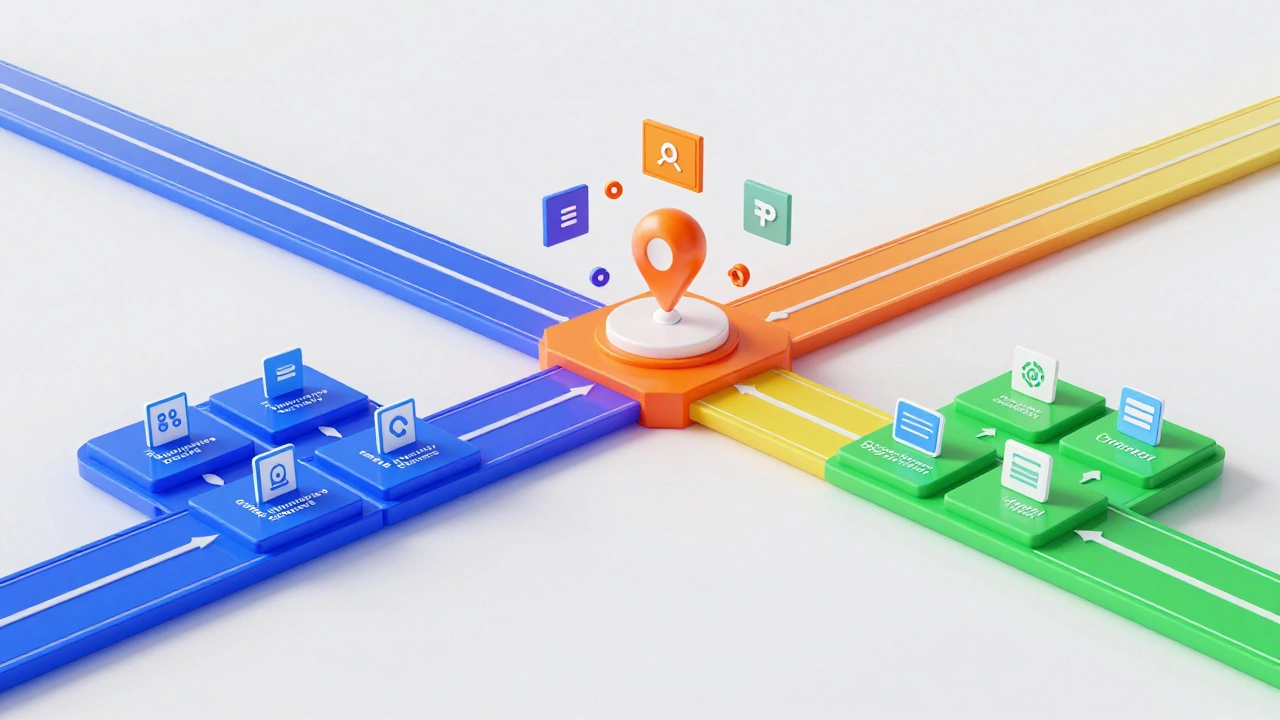
The Marketplace King: Udemy
For self-directed learners who want specific skills without a university partner, Udemy is an online learning platform that offers video courses taught by industry experts. Unlike Coursera, Udemy is an open marketplace. Anyone can become an instructor. This means the quality varies, but the variety is unmatched. You can find courses on everything from Excel to woodworking.
Udemy's strength is flexibility. You buy a course once, and you own it forever. There are no monthly subscriptions for individual courses, though they do have a subscription model called Udemy Business. The platform frequently runs sales, making courses very affordable. This accessibility has driven massive adoption among freelancers and career switchers.
The downside is the lack of academic accreditation. A Udemy certificate shows you completed a course, but it doesn't carry the same weight as a university-backed credential. It is perfect for learning a tool or a soft skill. It is less ideal for formal career advancement that requires recognized degrees. In 2026, Udemy has improved quality control with verified instructor badges to help users spot high-quality content.
Comparison of Top Platforms
| Platform | Primary Audience | Cost Model | Credential Value | Best For |
|---|---|---|---|---|
| Coursera | Professionals | Subscription/Per Course | High (University/Tech) | Career Advancement |
| Udemy | Individuals | One-time Purchase | Medium (Skill-based) | Specific Skills |
| Google Classroom | Students/Schools | Free | Institutional Only | School Management |
| LinkedIn Learning | Corporate | Subscription | Medium (Professional) | Soft Skills & Business |
| edX | Academic | Free/Paid Cert | High (University) | Academic Depth |
Other Notable Contenders
Beyond the top three, several other platforms hold significant market share. LinkedIn Learning is a subscription service that provides online courses in business, technology, and creative skills. It integrates directly with your LinkedIn profile, allowing you to showcase completed courses to recruiters. This visibility makes it a favorite for corporate professionals.
edX is a non-profit online learning platform founded by Harvard and MIT. It focuses heavily on academic rigor. If you want a Master's degree online, edX is a strong contender alongside Coursera. Their MicroMasters programs are particularly respected in engineering and data science fields.
For K-12 education outside the school system, Khan Academy is a nonprofit educational organization that provides free online courses, lessons, and practice. It is the gold standard for math and science fundamentals. Parents often use it to supplement school learning. It remains completely free, funded by donations and grants.
Corporate training often relies on Moodle is a learning management system (LMS) used by organizations to deliver online courses. It is open-source software. Many universities and companies host their own Moodle instances. While the public doesn't see a "Moodle website," it powers thousands of internal training portals globally.

How to Choose the Right Platform
Picking the most used platform doesn't always mean picking the best one for you. You need to match the tool to your goal. Start by defining your objective. Are you trying to get a job, pass a school exam, or learn a hobby?
- For Career Switching: Choose Coursera or edX. Look for Professional Certificates that include job guarantees or hiring partnerships.
- For Quick Skills: Choose Udemy. Search for highly-rated courses with recent reviews. Look for instructors with real-world experience.
- For School Support: Use Khan Academy or Google Classroom (if provided by your school).
- For Corporate Training: LinkedIn Learning or an internal LMS like Moodle is usually required.
Check the pricing structure carefully. Subscription models like Coursera Plus or LinkedIn Learning are great if you plan to take multiple courses in a month. If you only need one specific skill, a one-time purchase on Udemy saves money. Always check if the certificate is shareable on LinkedIn. This adds value to your investment.
2026 Trends in Online Learning
The landscape changes every year. In 2026, we are seeing a massive shift toward AI-driven personalization. Platforms are no longer just video libraries. They use algorithms to suggest learning paths based on your performance. If you struggle with a concept, the system automatically offers remedial content.
Micro-credentials are also replacing traditional degrees in some sectors. Employers are accepting stackable certificates over four-year degrees for technical roles. This makes platforms like Coursera and edX even more valuable. Additionally, virtual reality (VR) labs are being integrated for science and medical training, allowing students to practice procedures safely.
Mobile learning has become the norm. Most platforms now have robust apps that allow offline viewing. This is crucial for learners in areas with unstable internet. The focus is on accessibility and flexibility. The "most used" platform will be the one that fits seamlessly into your daily routine without friction.
Next Steps for Learners
Now that you know the landscape, take action. Don't just sign up and forget. Create a learning schedule. Treat your online course like a real class. Set aside specific hours for study. Join the community forums on the platform. Engaging with other learners increases completion rates significantly.
If you are unsure where to start, try the free trials. Coursera and LinkedIn Learning offer free periods. Use them to test the interface and content quality. If you are on a budget, Udemy sales happen weekly. Wait for a discount if you are buying a single course. Remember, the best platform is the one you actually finish.
Is Coursera better than Udemy?
It depends on your goal. Coursera is better for accredited certificates and university-backed degrees. Udemy is better for specific, practical skills at a lower one-time cost.
Which platform is free?
Khan Academy is completely free. Coursera and edX allow you to audit courses for free, but you pay for certificates. Udemy charges per course but has frequent sales.
Do employers recognize online certificates?
Yes, especially from Coursera, edX, and LinkedIn Learning. Certificates from recognized universities or tech companies like Google and IBM carry significant weight in hiring.
Can I learn coding for free?
Yes. Khan Academy, freeCodeCamp, and the audit mode on Coursera offer coding courses for free. You just won't get the verified certificate without paying.
What is the best platform for kids?
Khan Academy is the top choice for K-12 education. It covers math, science, and history with age-appropriate content and interactive exercises.
Does Google Classroom offer courses?
No. Google Classroom is a management tool for teachers to assign work. It does not host a library of courses for you to browse and learn independently.
Is LinkedIn Learning worth the subscription?
If you need business, software, or creative skills, yes. The integration with your LinkedIn profile allows you to display certificates directly to recruiters, adding professional value.
Can I get a degree online?
Yes. Coursera and edX partner with universities to offer full online Bachelor's and Master's degrees. These are accredited and equivalent to on-campus degrees.