Exam Stress & Difficulty Comparator
Compare technical difficulty, candidate volume, and mental endurance requirements.
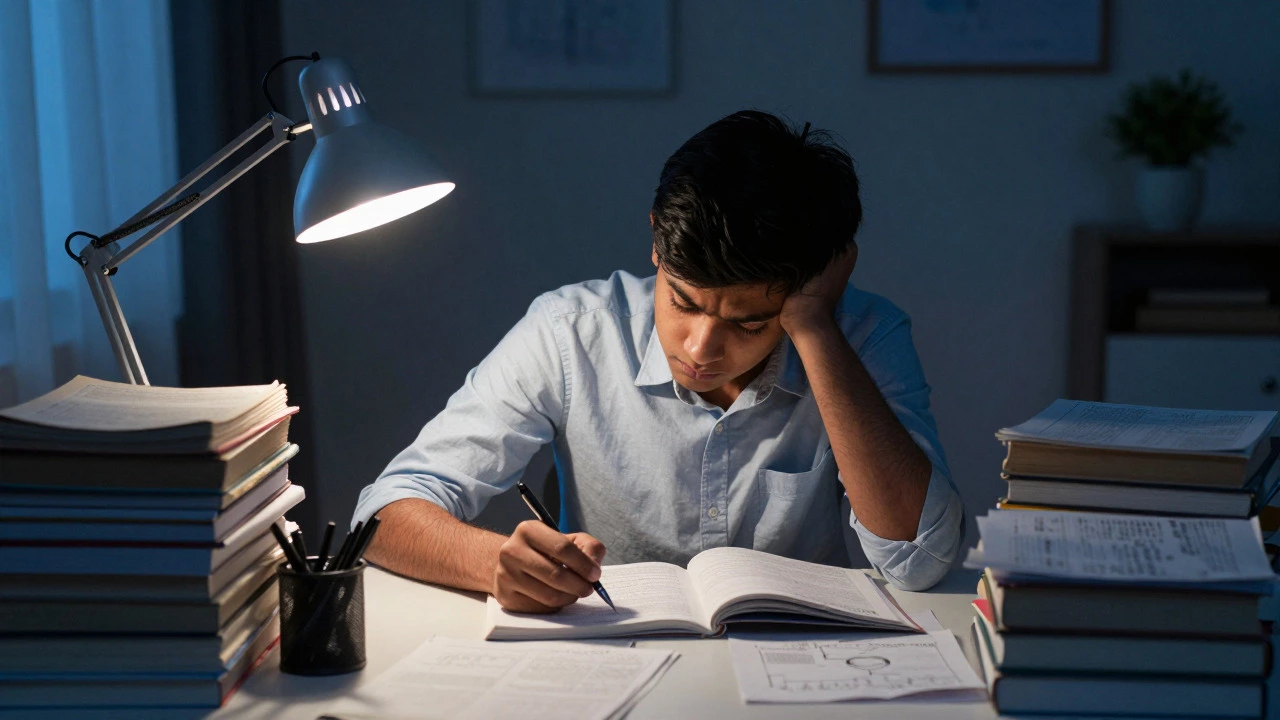
Imagine waking up before dawn, your stomach churning not from hunger but from pure adrenaline. You have spent years preparing for this single moment. Millions of others are doing the exact same thing. One wrong answer could mean starting over again next year. This isn't a movie scene; it is the reality for millions of students facing the world's most grueling academic hurdles. But which one actually takes the crown for the highest stress levels?
The title of the most stressful exam is fiercely contested. It usually comes down to three heavyweights: India's Joint Entrance Examination (JEE), China's National College Entrance Examination (Gaokao), and India's Union Public Service Commission (UPSC) Civil Services Exam. Each offers a different flavor of pressure-whether it is the sheer volume of candidates, the life-altering stakes, or the brutal difficulty of the questions.
Why is the JEE Advanced considered so difficult?
The JEE Advanced is notorious because it tests deep conceptual understanding rather than rote memorization. The selection ratio is incredibly low, often below 1%, meaning only the top fraction of a percent succeed. Candidates face complex problems in Physics, Chemistry, and Mathematics that require multi-step logical reasoning under strict time constraints.
How does the Gaokao affect Chinese society?
The Gaokao determines university admission for millions of Chinese students. It is viewed as the primary gateway to social mobility and future career success. The pressure extends beyond the student to their entire family, with many parents taking leave from work to support their children during the final months of preparation.
Is the UPSC exam harder than engineering entrance exams?
While engineering exams like JEE test technical depth, the UPSC Civil Services Exam tests breadth and endurance. It covers history, geography, economics, polity, and ethics. The selection process spans multiple stages over a year, requiring immense mental stamina and the ability to synthesize vast amounts of information.
What are the physical effects of exam stress on students?
Chronic exam stress can lead to sleep deprivation, anxiety disorders, depression, and physical ailments like headaches and digestive issues. In extreme cases, it has been linked to higher dropout rates and even tragic outcomes, highlighting the need for better mental health support systems for students.
How do students manage the pressure of these high-stakes exams?
Successful candidates often rely on structured study plans, regular mock tests, and strong support networks. Many also incorporate mindfulness practices, exercise, and adequate rest into their routines to maintain mental clarity and prevent burnout during long preparation periods.