Schools Not Using Google Classroom: Why Some Indian Schools Skip the Tech
When we think of modern education, Google Classroom, a digital platform for managing assignments, grading, and communication in schools. Also known as online learning management systems, it’s often seen as the default tool for schools trying to keep up with the times. But across India, thousands of schools—especially in smaller towns and rural areas—never use it at all. And they’re not falling behind by choice; they’re working with what actually works for them.
Why? For many, it’s not about resisting technology—it’s about access. Reliable internet? Not guaranteed. Stable electricity? Sometimes a luxury. A device for every student? Still out of reach. In places where the nearest internet tower is miles away, or where families share one smartphone between five kids, digital learning platforms, online tools designed to deliver lessons, track progress, and connect teachers with students remotely. Also known as eLearning systems, they’re useful in theory but impractical in daily life. These schools rely on printed worksheets, handwritten notes, physical attendance registers, and face-to-face feedback. They don’t need Google Classroom to teach math, science, or Hindi—they need consistent teachers, clear syllabi, and quiet classrooms. And surprisingly, in many cases, they get better results than schools drowning in tech that no one can reliably use.
It’s not just about infrastructure. Some schools avoid Google Classroom because they’re wary of data privacy, or because their teachers weren’t trained to use it. Others simply don’t have the time. A teacher handling 60 students in a single class doesn’t have bandwidth to upload assignments, reply to messages, and track online participation. Meanwhile, traditional classrooms, in-person learning environments where instruction, interaction, and assessment happen face-to-face without digital intermediaries. Also known as physical learning spaces, they’ve been refined over decades to work under real-world constraints. These schools focus on what matters: student engagement, daily practice, and personal feedback. They use chalkboards, notebooks, and group discussions—not notifications and deadlines.
What’s interesting is that these schools aren’t outliers—they’re the majority in India’s education landscape. While urban private schools chase the latest apps, rural and government schools are quietly building strong foundations without them. And if you look at the posts below, you’ll see this theme echo: from the cost of online learning to the real problems with remote education, people are starting to ask—do we need all this tech, or are we just making things harder?
Below, you’ll find real stories and data from schools that skipped the digital rush. You’ll see how some students learn better without screens, how teachers adapt when tech fails, and why sometimes, the simplest solution is the most powerful one. No apps. No logins. Just learning.
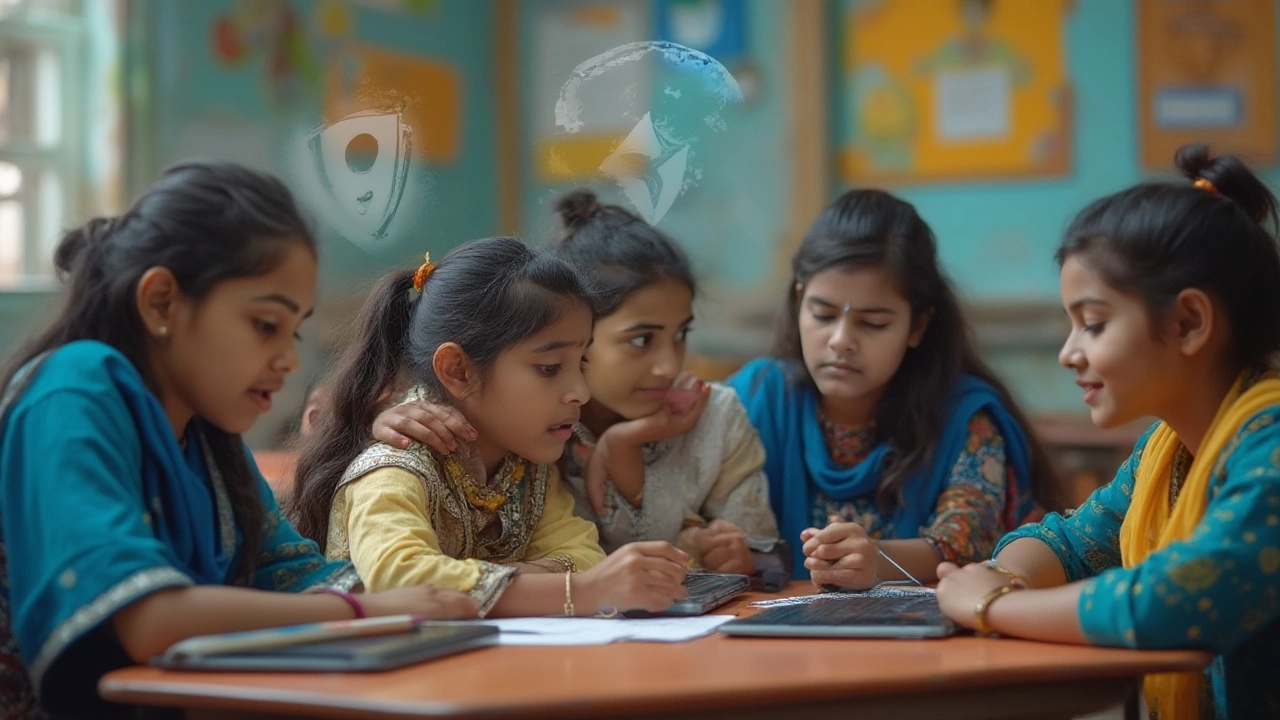
Why Schools Avoid Google Classroom: Challenges in EdTech Adoption
- Arjun Rathore
- Jul, 9 2025
Many schools avoid Google Classroom due to privacy, infrastructure, and training issues. This detailed article uncovers the real obstacles and explores solutions.
Learn More