LMS Alternatives: Better Tools for Online Learning and Teaching
When people talk about LMS, a Learning Management System is a software platform used to deliver, track, and manage online courses and training. Also known as course platforms, it’s the backbone of many schools and training programs. But here’s the truth: most LMS platforms are slow, clunky, and designed for institutions—not real people. If you’re tired of logging into a confusing portal just to watch a video or submit an assignment, you’re not alone. That’s why smart teachers, students, and self-learners are switching to eLearning tools, a broader category of digital platforms that support teaching and learning without the bloat of a full LMS.
The best LMS alternatives don’t try to do everything. They focus on what actually matters: clear communication, easy access, and real engagement. Take Zoom, a video conferencing tool that powers live classes but doesn’t manage assignments, quizzes, or progress tracking. Also known as virtual classroom software, it’s great for real-time teaching—but alone, it’s not an eLearning platform. That’s why teachers pair it with Google Classroom, Notion, or Trello. You don’t need one giant system. You need the right combo of tools that fit your rhythm. Some learners use free MOOCs for content, Notion for organizing notes, and Discord for group discussions. Others use Canva to make study guides and Google Forms for quick quizzes. These aren’t fancy tech—they’re practical, cheap, and human-centered.
What’s missing from traditional LMS? Flexibility. Personalization. Speed. The posts below show how real people are getting better results without relying on platforms like Moodle or Blackboard. You’ll find guides on how online teaching platforms pay more, why Zoom alone isn’t enough, what the cheapest courses really look like, and how self-taught learners are building skills without an LMS at all. These aren’t theory pieces. They’re real strategies from teachers who ditched the LMS and students who found better ways to learn. Whether you’re a parent trying to help your kid study, a tutor looking to scale, or a student tired of clunky systems—there’s something here that works today, not in 2015.
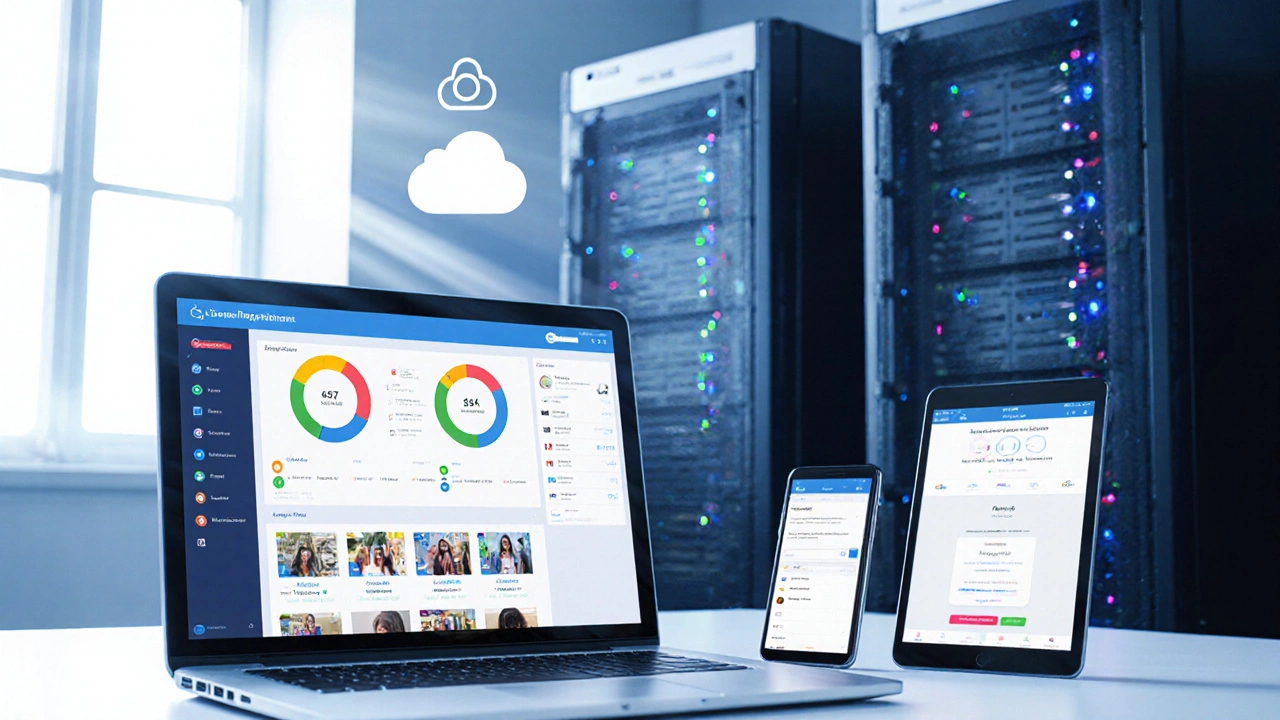
Digital Learning Platforms Explained: Types, Benefits, and How to Choose
- Arjun Rathore
- Oct, 18 2025
Explore digital learning platforms: core features, types, top tools, trends, and a step‑by‑step guide to picking the right solution for any learner.
Learn More