Distance Education: What It Is, How It Works, and Why It Matters Today
When you think of distance education, a system of learning where students and instructors are physically separated and connected through technology. Also known as remote learning, it online education, it doesn’t mean you’re alone—it means you’re in control. You’re not stuck in a classroom at 8 a.m. You’re not paying for a dorm you don’t live in. You’re not racing to campus between shifts. Distance education is built for real life—the kind where you work, care for family, or juggle multiple responsibilities.
This isn’t just about watching videos. True eLearning platforms, digital systems that manage course content, assignments, progress tracking, and assessments like Coursera or edX give you structure. They track your progress, grade your work, and even connect you with peers. But tools like Zoom? They’re just video calls. They don’t replace a learning system—they just power it. The real difference comes when you combine flexible timing with real curriculum, feedback, and credentials.
People choose distance education for one reason: access. Not everyone can move to a city for college. Not everyone can afford $50,000 a year. Not everyone has the time to sit through six hours of lectures. But with distance education, you can take a Google certificate while working nights. You can finish a community college course from your kitchen table. You can study for IIT JEE while helping your siblings with homework. It’s not about being perfect—it’s about being consistent.
And it works. More than 40% of U.S. college students took at least one online course in 2023. In India, universities like IGNOU and Symbiosis offer full degrees online. Employers aren’t skeptical anymore—they’re hiring from these programs. Why? Because the skills matter more than the seat you sat in. A certificate from an accredited distance program says the same thing as one from a campus: you learned the material, passed the tests, and got the job done.
But it’s not easy. The biggest challenge? Staying focused without a professor staring at you. The biggest advantage? You get to design your own rhythm. You can study at 2 a.m. after your shift. You can pause and rewatch a tough concept. You can skip the commute and use that time to practice instead. The people who succeed in distance education aren’t the smartest—they’re the ones who show up every day, even when no one’s watching.
Below, you’ll find real stories and straight facts about how distance education fits into modern learning. From the cheapest online courses under $100 to how Google certificates actually land jobs, from why Zoom isn’t enough to what platforms truly pay the most for tutors—you’ll see what works, what doesn’t, and how to make it work for you.
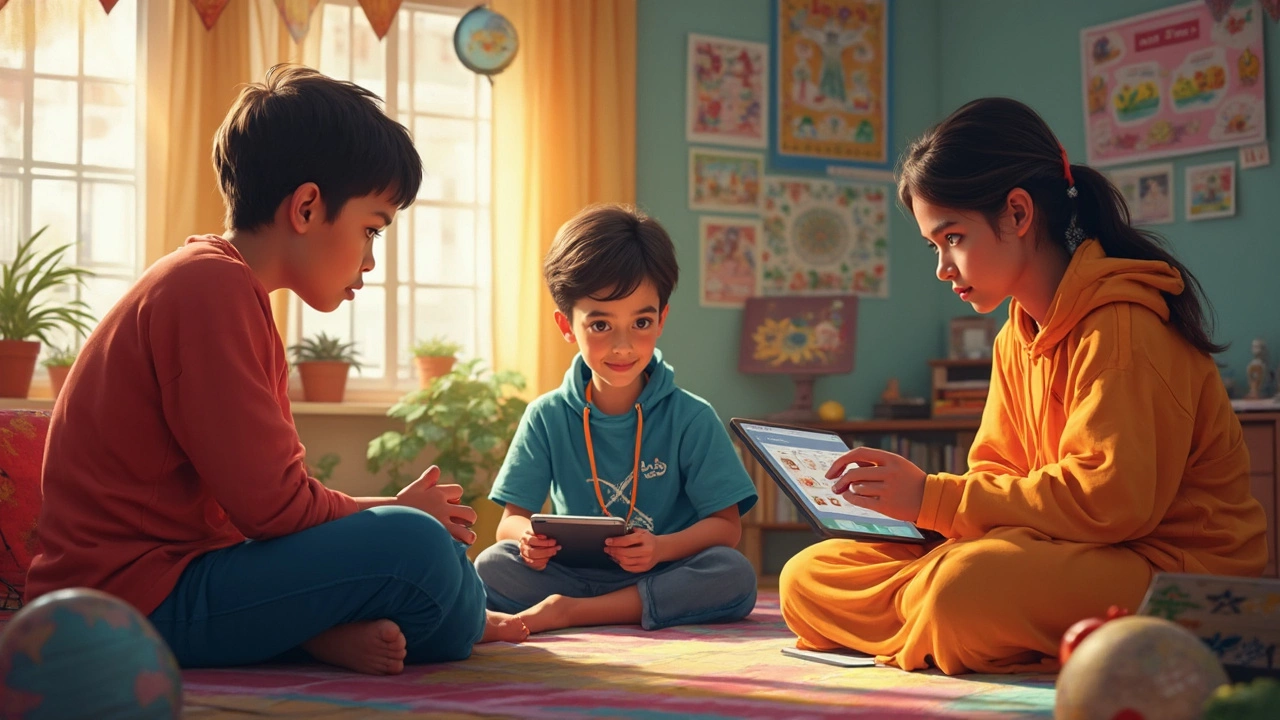
Are Virtual and eLearning the Same? Clearing Up the Confusion
- Arjun Rathore
- Apr, 24 2025
So many people mix up virtual learning with eLearning, but they're not identical. This article breaks down their real differences, where they overlap, and what actually matters when you're choosing an online learning method. You'll get real-life examples, surprising facts, and simple tips. If you've ever wondered if they're the same thing, you'll get your answer. Spoiler: it's not as simple as you think.
Learn More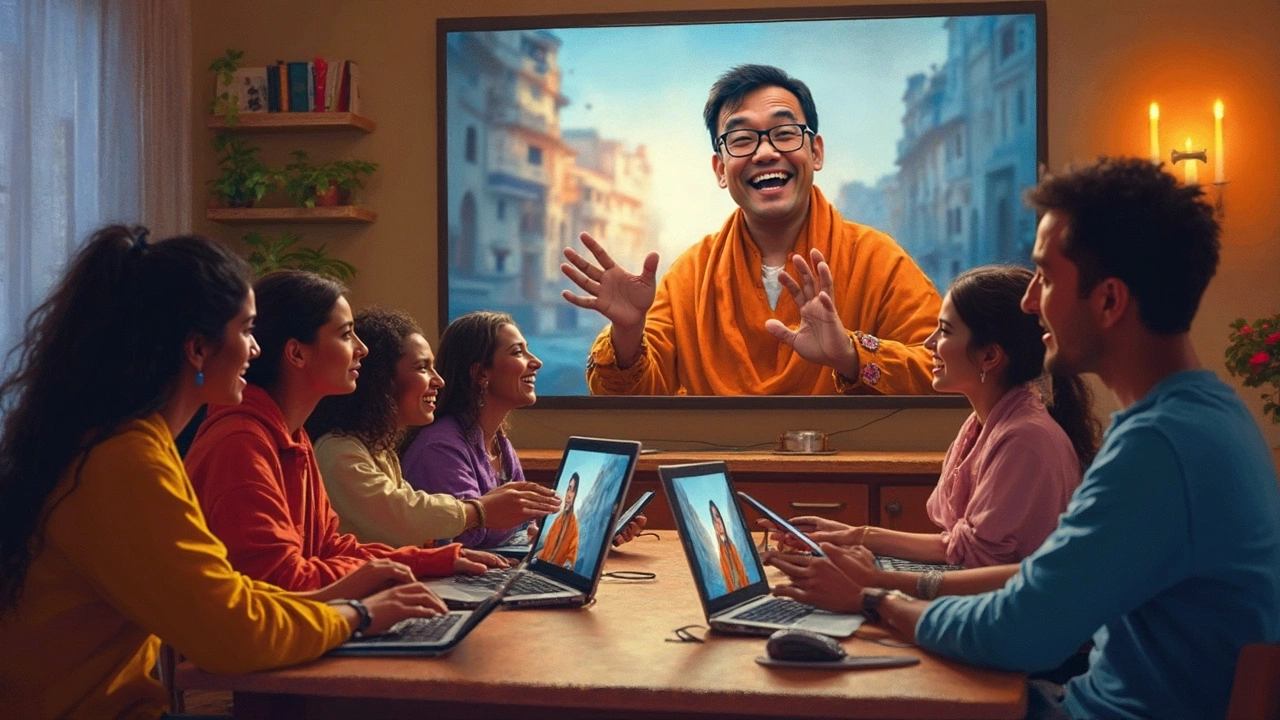
Defining Distance Education: Exploring the Virtual Classroom
- Arjun Rathore
- Feb, 27 2025
Distance education, also known as online learning, has evolved significantly over the years, transforming traditional methods of teaching and learning. It offers flexibility and accessibility, allowing learners to engage in educational activities from anywhere in the world. This article delves into what defines distance education, explores its advantages and challenges, and provides practical tips for maximizing its benefits.
Learn More