Digital Learning Platforms: What They Are and How They Really Work
When you hear digital learning platforms, online systems designed to deliver, manage, and track education content. Also known as eLearning platforms, they’re not just video calls or PDF downloads—they’re full systems that handle assignments, progress tracking, quizzes, and feedback in one place. Think of them like a digital classroom that never closes, where you can log in anytime, pick up where you left off, and get real data on how you’re doing.
But here’s the catch: not every tool that shows a video is a true digital learning platform. Zoom, a video conferencing tool used for live classes. Also known as video meeting software, it’s great for real-time teaching but doesn’t store assignments, track progress, or give feedback automatically. That’s where platforms like Coursera, Udemy, or even LMS systems used by schools come in. They’re built to keep learning organized. You don’t just watch a lecture—you take a quiz, get graded, see your score improve over time, and get reminders when you fall behind. That’s the difference between using a tool and using a system.
Many people think distance learning means watching videos alone in your room. But the best digital learning platforms fix that by adding structure: discussion boards, peer reviews, deadlines, and even live Q&A sessions. They’re designed for people who need flexibility but still want accountability. That’s why so many learners finish courses on these platforms—because they don’t just offer content, they offer a path.
And it’s not just for students. Teachers are using these platforms to reach more people, earn more, and track what actually works. Some tutors make over $5,000 a month teaching on platforms that handle payments, scheduling, and student management for them. Meanwhile, learners are skipping expensive degrees and using affordable online courses under $100 to build real skills—like coding, teaching English, or even preparing for competitive exams like JEE or NEET.
But it’s not all smooth sailing. These platforms have real downsides: you can feel isolated, get distracted without a classroom, or lose motivation when no one’s watching. That’s why the most successful users aren’t the ones with the best tech—they’re the ones who show up every day, even when it’s hard.
Below, you’ll find real stories and practical guides on how digital learning platforms actually work—what pays, what doesn’t, which tools are just hype, and how to use them to get results. Whether you’re a student trying to crack an exam, a teacher looking to earn more, or someone switching careers, these posts cut through the noise and show you what’s real.
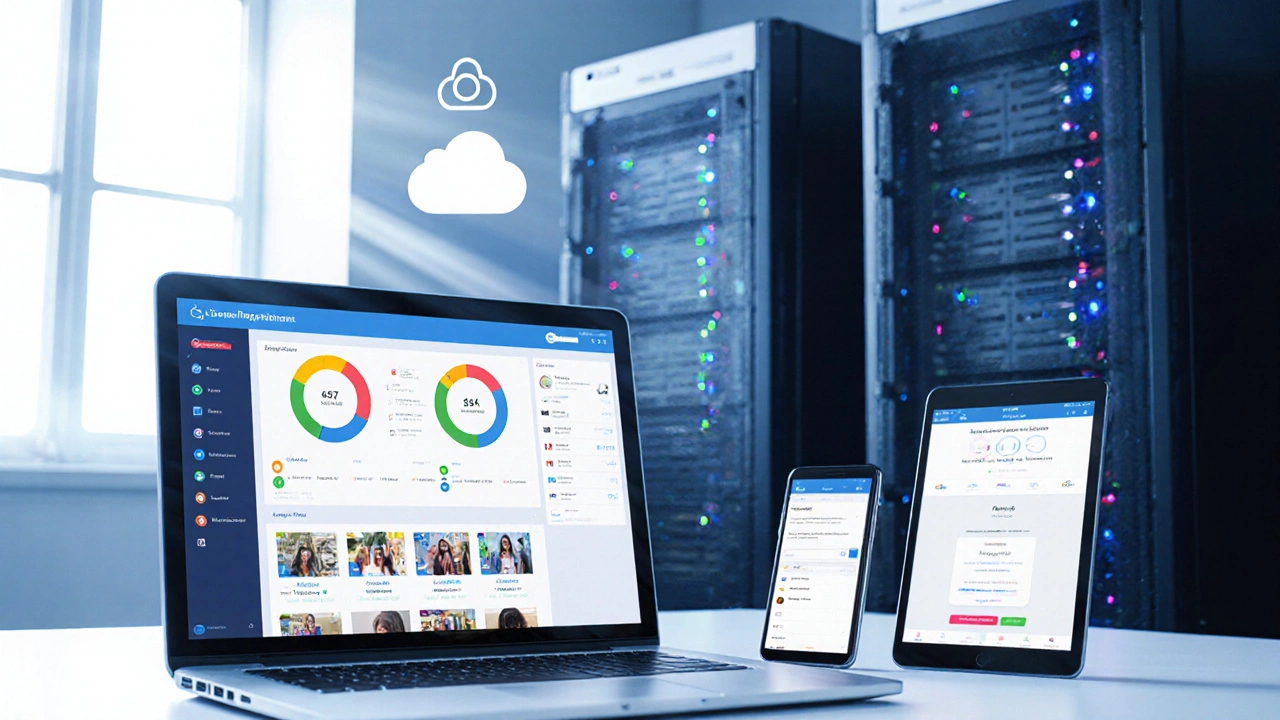
Digital Learning Platforms Explained: Types, Benefits, and How to Choose
- Arjun Rathore
- Oct, 18 2025
Explore digital learning platforms: core features, types, top tools, trends, and a step‑by‑step guide to picking the right solution for any learner.
Learn More