Digital Learning: What It Really Means and How It Works Today
When we talk about digital learning, the use of technology to deliver education outside traditional classrooms. Also known as online education, it’s not just about watching lectures on a screen—it’s a system that includes course platforms, assignments, feedback loops, and progress tracking. Many people think digital learning means Zoom calls and PDFs, but that’s just the surface. Real digital learning happens when you can track your progress, get automated feedback, and learn at your own pace—without being stuck in a fixed schedule.
It’s powered by tools like eLearning platforms, systems designed to manage courses, track student progress, and deliver assessments. Also known as online learning systems, these aren’t just video hosts—they’re the backbone of structured learning online. Think of platforms like Coursera or Udemy, not Zoom. Zoom is a video tool. An eLearning platform manages your quizzes, deadlines, certificates, and even your learning path. That’s the difference between watching a video and actually learning something. And it’s why some people finish online courses and others don’t—structure matters. Digital learning also includes online certificates, verifiable credentials earned through completed courses, often recognized by employers. These aren’t just digital badges—they’re proof you’ve built real skills, like a Google certificate in data analytics or a Coursera credential in project management. Employers care more about these than degrees in some fields now.
What you’ll find here are real stories and facts about how digital learning works in India and beyond. You’ll see why distance learning beats traditional classes for busy students, what online teaching platforms actually pay, and why some people waste time on free MOOCs while others turn them into jobs. You’ll learn the hidden downsides no one talks about—like isolation and low completion rates—and how to beat them. There’s no fluff. Just what works, what doesn’t, and what you need to know before you click enroll.

Are Online Classes Worth Taking? Real Costs, Benefits, and Surprises
- Arjun Rathore
- Jun, 12 2025
This article looks at whether online classes are actually worth your time and money. It covers everything from the flexibility they offer to the real-world skills you might gain (or miss). Practical tips and findings will help you decide if this way of learning fits your goals and lifestyle. Expect clear answers, a few surprises, and straight talk on what online classes really deliver. Get the facts before you enroll in your next course.
Learn More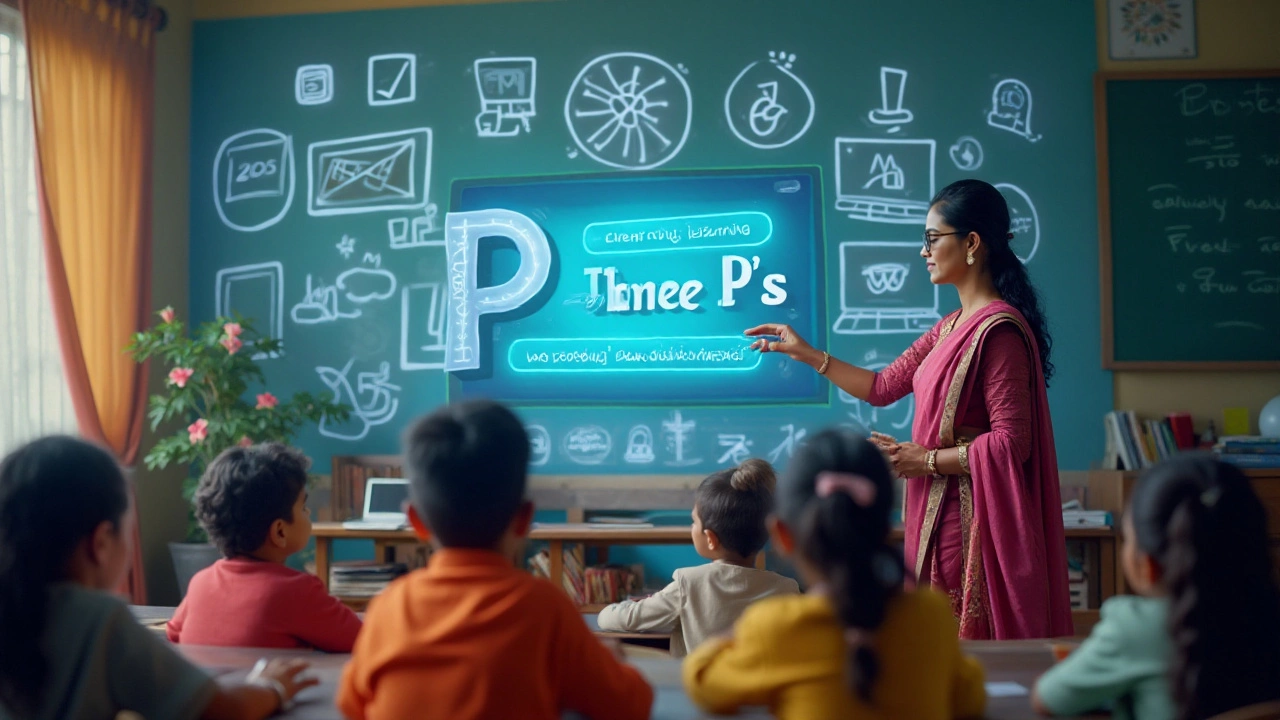
Mastering eLearning: The Three P's You Need to Know
- Arjun Rathore
- Jan, 30 2025
In the rapidly evolving world of digital education, understanding the Three P's of eLearning—Preparation, Participation, and Personalization—can transform how learners engage with online platforms. This article dives deep into each component, exploring practical ways to implement them effectively. Preparation sets the foundation, Participation ensures active engagement, and Personalization tailors the learning experience to individual needs. By focusing on these elements, educators and learners alike can enhance the online education journey.
Learn More