Coding: What It Really Takes to Learn and Succeed
When you hear the word coding, the process of writing instructions that computers follow to perform tasks. Also known as programming, it's not about being a math genius or having a computer science degree—it's about solving problems one line at a time. People quit coding not because it’s too hard, but because they’re told it requires genius-level intelligence. The truth? The people who stick with it are the ones who show up every day, even when they’re stuck.
Python, a beginner-friendly programming language used for web apps, data analysis, and automation, is the most popular starting point because it reads like plain English. But self-taught coders, people who learn coding without formal education, often through online resources and practice don’t care which language they start with—they care about building something real. A website. A tool. A script that saves them time. That’s what keeps them going. And guess what? Companies are hiring them. Not because they went to MIT, but because they can fix bugs, write clean code, and ship projects.
What’s missing from most coding advice? The emotional side. Frustration isn’t a sign you’re failing—it’s part of the process. Every developer, even the ones at Google, spends hours staring at error messages. The difference? They don’t give up after one try. The posts below show real stories: someone who learned coding while working two jobs, a student who landed a tech job after building three small projects, and how a Google certificate became a stepping stone—not the finish line.
You won’t find fluff here. No "10-day coding miracle" nonsense. Just practical advice from people who’ve been there: which languages actually lead to jobs, how to build a portfolio without a degree, and why most beginners waste months learning the wrong things. Whether you’re trying to switch careers, get a side income, or just understand how tech works, the path is clearer than you think. Start small. Stay consistent. Keep building. The rest follows.

Can I Learn to Code if I'm Bad at Math? Real Answers for Absolute Beginners
- Arjun Rathore
- Jun, 18 2025
Worried your math skills aren't enough for coding? You're definitely not alone—most people think they need to be math geniuses to start programming. The reality might surprise you: coding isn’t just for the number whizzes. This article breaks down the real connection between math and programming, busts some common myths, and shares simple tips to start learning code even if numbers aren't your strong suit. Get practical advice, stories from real coders, and ideas for making the journey a lot easier.
Learn More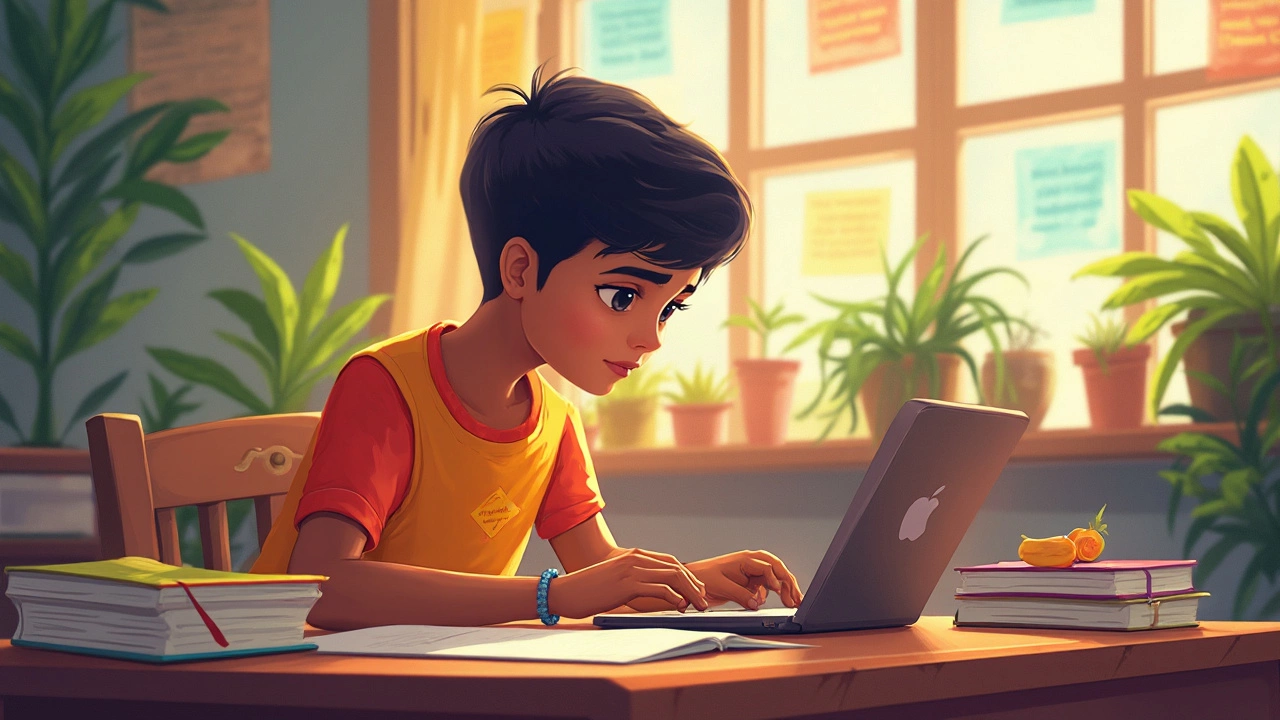
Does Coding Ever Get Easier? Unlocking the Mystery
- Arjun Rathore
- Feb, 17 2025
Does coding remain an elusive skill forever? If you're just getting started, it might feel like you're learning an alien language, but hang in there! This article sheds light on what makes coding simpler over time and shares practical tips to speed up your journey. From understanding coding patterns to leveraging community support, it covers all the bases. Discover the realities of coding progression and see how you can make the process smoother.
Learn More