
English Fluency Path Planner
Your Estimated Journey to C1 Fluency
Recommended Daily Strategy:
The Fast Track to Fluency: Key Takeaways
- Prioritize speaking time over reading time to build muscle memory in your jaw and tongue.
- Use "shadowing" to mimic native rhythms and intonations.
- Focus on high-frequency phrases (chunks) rather than individual vocabulary words.
- Create a low-pressure environment to practice before jumping into high-stakes conversations.
- Shift your mindset from "perfection" to "communication."
Breaking the Mental Translation Barrier
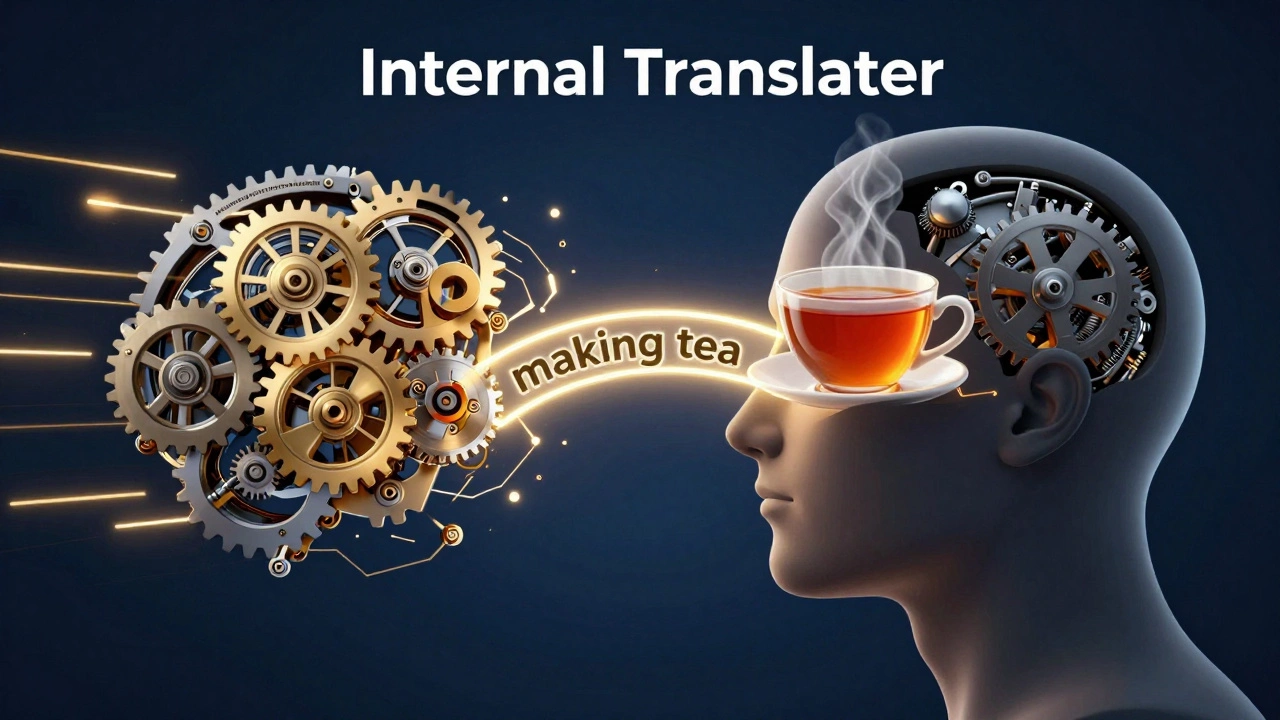
The biggest hurdle to fluency is the "internal translator." This is when you hear a sentence in English, translate it to your native language, think of a response, translate that back into English, and finally speak. By the time you're ready, the conversation has moved on. To stop this, you need to start associating English words directly with images and feelings, not with words in your own language.
Try a technique called "Environmental Labeling." Instead of translating the word "table," look at the object and say the English word. Do this throughout your day. Describe your actions as you do them: "I am making tea," "I am opening the laptop," "I am walking to the bus stop." This forces your brain to link the English language directly to the physical world, cutting out the middleman of translation.
Mastering the Art of Shadowing
If you don't have a speaking partner, the best tool at your disposal is Shadowing. This is a technique where you listen to a native speaker and repeat exactly what they say with as little delay as possible. You aren't just repeating the words; you are mimicking the speed, the pauses, and the emotion.
For the best results, find a podcast or a YouTube video featuring a speaker whose voice you like. Listen to one sentence, pause, and repeat it. Once you get comfortable, try to speak *simultaneously* with the speaker. This trains your mouth to move in the patterns required for English. For instance, English has a specific "stress-timed" rhythm, meaning some syllables are long and others are almost disappeared. Shadowing is the only way to internalize this without a teacher correcting you every second.
Using English Speaking Courses Effectively
Not all English speaking courses are created equal. Many focus too much on multiple-choice tests. If you're looking for a course to help with fluency, you need one that prioritizes "Output" over "Input." Look for programs that utilize Communicative Language Teaching (CLT), which emphasizes interaction as both the means and the ultimate goal of study.
| Approach | Primary Focus | Pros | Cons |
|---|---|---|---|
| Traditional Classroom | Grammar & Reading | Strong foundation in rules | Low speaking practice, high anxiety |
| 1-on-1 Tutoring | Conversation | Personalized correction, high output | Can be expensive |
| Immersive Groups | Social Interaction | Real-world pressure, diverse accents | Can be overwhelming for beginners |
| Self-Study Apps | Vocabulary/Gamification | Convenient, cheap | Lack of real-time feedback |
The Power of Lexical Chunks
Fluent speakers don't build sentences word-by-word. They use "chunks"-groups of words that always go together. For example, instead of thinking "I - would - like - to - ask - you - a - question," they use the chunk "I'd like to ask..." This reduces the cognitive load on the brain and makes you sound more natural.
Start a "Chunk Journal." Instead of writing down a new word like "decision," write down the whole phrase: "make a decision." If you learn "decision" as a standalone word, you might accidentally say "do a decision," which sounds wrong to a native ear. Learning Collocations-words that naturally pair together-is the secret shortcut to sounding like a native speaker without needing to memorize a dictionary.
Overcoming the Fear of Making Mistakes
The biggest wall between you and fluency is the fear of looking stupid. Here is a truth: native speakers care about *understanding* you, not about your perfect use of the present perfect tense. If you say "I go to store yesterday" instead of "I went to the store yesterday," the listener still knows exactly what happened. The communication was successful.
To lower your anxiety, use the "Small Wins" strategy. Start by speaking in low-stakes environments. Order food in English, ask a shop assistant for help, or join an online gaming community where English is the primary language. Once you realize that people still understand you even when you make mistakes, the fear disappears. This psychological shift is what actually triggers the leap from intermediate to advanced fluency.

Creating Your Own Immersion Bubble
You don't need to move to London or New York to be immersed in English. You can build an immersion bubble wherever you are. This means changing the language settings on your phone, watching movies with English subtitles (or no subtitles at all), and listening to English radio in the background while you cook or clean.
A pro tip is to start "thinking aloud." When you are alone, narrate your day. If you realize you don't know the word for "spatula" while cooking, look it up right then. This connects the vocabulary to a real-life action, making it stick in your memory much longer than if you saw it in a textbook. Combine this with Language Exchange platforms where you trade your native language for English practice with a partner.
How long does it take to become fluent in English?
Fluency depends on your starting level and how many hours a day you practice. Generally, moving from an intermediate (B1) to an advanced (C1) level takes about 400 to 600 hours of guided practice and interaction. The key is consistency; practicing 30 minutes every day is far more effective than studying for 7 hours once a week.
Can I become fluent without a teacher?
Yes, it is possible through shadowing, consuming media, and using language exchange apps. However, a teacher or tutor provides one critical thing: immediate correction. Without feedback, you might accidentally reinforce bad habits (fossilization). If you go the solo route, use recording tools to listen back to yourself and compare your speech to native speakers.
How can I improve my English accent?
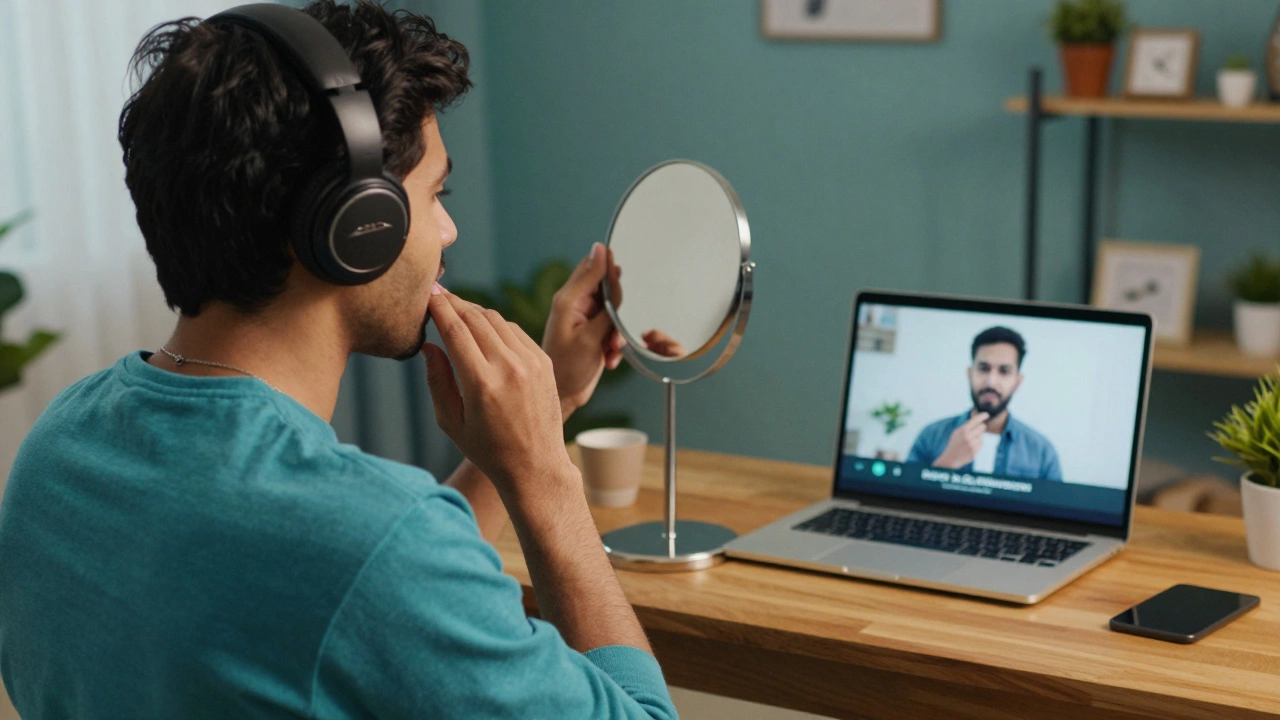
Focus on "mouth gymnastics." English requires different muscle movements than many other languages. Use a mirror to watch your lip and tongue placement. Pay attention to the "Schwa" sound (the unstressed neutral vowel), which is the most common sound in English. Mastering the Schwa will make you sound more natural than mastering any individual consonant.
What should I do if I forget a word mid-sentence?
Use "circumlocution." This is the ability to describe a word you can't remember. Instead of stopping the conversation, say "the thing you use for..." or "it's like a... but smaller." This is a high-level fluency skill that keeps the conversation flowing and prevents awkward silences.
Are grammar books helpful for speaking fluency?
They are helpful for understanding the "why," but they can actually hinder fluency if you rely on them too much. Over-analyzing grammar while speaking creates that "mental translation" lag. Use grammar books as a reference tool to fix recurring mistakes, but spend 80% of your time on active speaking and listening.
Next Steps for Your Fluency Journey
If you are a complete beginner, start with a structured Online Course to get the basics of sentence structure. If you are at an intermediate level, stop buying new textbooks and start seeking out speaking partners. Join a local meetup group, use a language exchange app, or even talk to your pet in English for 15 minutes a day.
For professional learners, focus on "Industry English." If you work in tech, read tech blogs and listen to tech podcasts. The vocabulary you use at work is different from the vocabulary you use at a pub. By narrowing your focus to a specific domain, you can achieve "functional fluency" in your career much faster than trying to learn every word in the English language.