
If you’ve ever held back from speaking English because you’re afraid of making mistakes, you’re not alone. Many learners spend years memorizing grammar rules and vocabulary, only to freeze when it’s time to talk. But fluency isn’t about perfection-it’s about communication. The good news? You can speak English fluently without mistakes, not by avoiding errors, but by learning how to fix them naturally as you go.
Stop Trying to Be Perfect
The biggest barrier to speaking English fluently is the fear of making mistakes. You might think, “If I say something wrong, people will judge me.” But here’s the truth: native speakers don’t notice your mistakes the way you do. They’re focused on understanding your message, not picking apart your grammar. A study by the University of Cambridge found that learners who prioritized fluency over accuracy improved their speaking skills 40% faster than those who obsessively corrected every error. Mistakes aren’t failures-they’re data points. Every time you say “I goed” instead of “I went,” your brain gets one step closer to automatic correction.Practice Speaking Daily, Even Alone
You can’t become fluent by studying alone in silence. Speaking requires muscle memory, just like playing an instrument. The best way to build it? Talk out loud every day. Don’t wait for a conversation partner. Talk to yourself while brushing your teeth. Describe what you’re doing: “I’m putting toothpaste on my brush. The tube is almost empty.” Record yourself saying your grocery list or summarizing a YouTube video. Listen back. You’ll catch mistakes without anyone else knowing. Over time, your brain starts correcting itself before you even speak.Use Real-Life Materials, Not Just Textbooks
Textbooks teach you how English should sound in a classroom. Real English sounds different. Watch shows like Friends or The Crown with English subtitles. Pause and repeat lines out loud. Notice how people link words: “I wanna” instead of “I want to,” or “gonna” instead of “going to.” Listen to podcasts like 6-Minute English by the BBC. Don’t just listen-shadow them. Speak along with the speaker, matching their rhythm and tone. This trains your mouth to form sounds naturally, not just your brain to understand them.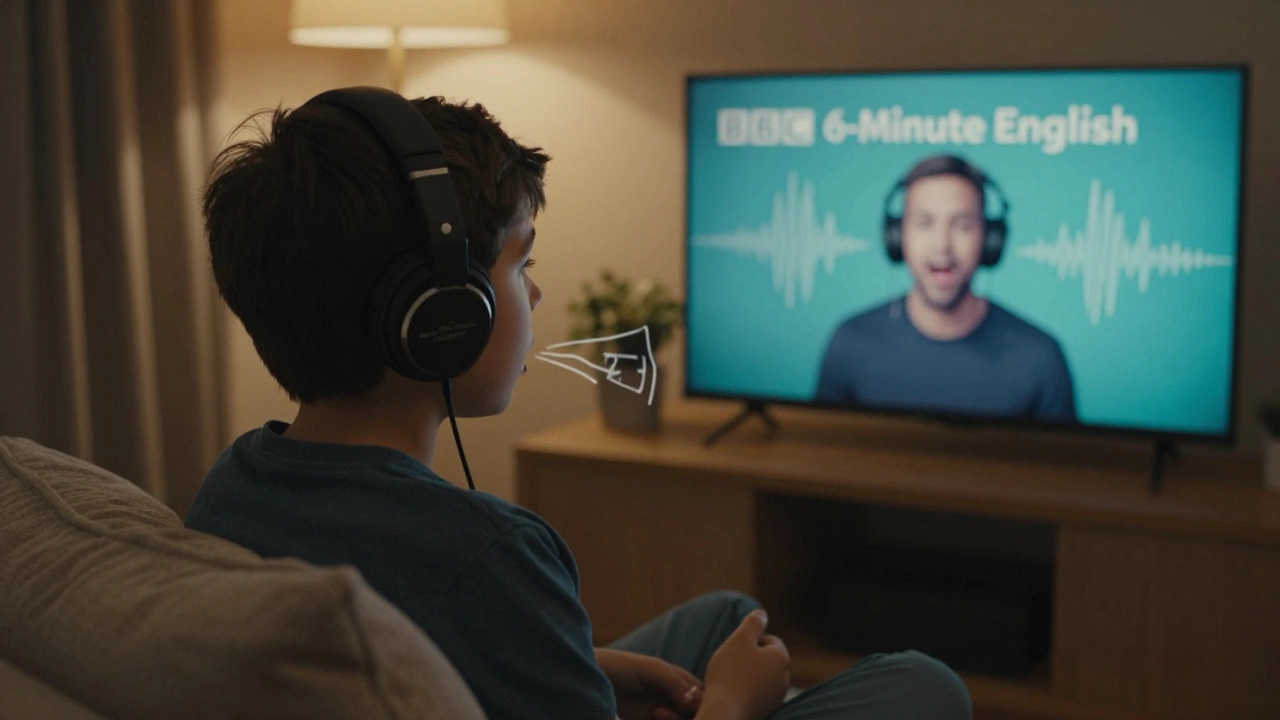
Learn Common Phrases, Not Just Words
Knowing the word “happy” won’t help you say, “I’m so happy I could cry.” Fluency comes from learning chunks-ready-made phrases people actually use. Memorize these:- “I’m not sure, but…”
- “That makes sense because…”
- “Could you repeat that, please?”
- “I meant to say…”
Focus on Pronunciation, Not Just Grammar
Many mistakes aren’t grammar errors-they’re pronunciation problems. Say “thirteen” and “thirty.” Can you hear the difference? If not, native speakers will misunderstand you. Practice minimal pairs: words that differ by just one sound. Try: “ship” vs. “sheep,” “bat” vs. “pat.” Use free tools like Forvo to hear native speakers pronounce words. Record yourself and compare. Your goal isn’t to sound like a British person-it’s to be understood clearly. Even if you have an accent, clear pronunciation removes confusion.Get Feedback, But Not From Just Anyone
Feedback is essential, but not all feedback helps. If someone says, “That’s wrong,” without explaining why, it’s useless. Find people who give specific corrections. Language exchange apps like Tandem or HelloTalk connect you with native speakers who want to learn your language. Offer to help them with your language in exchange for gentle corrections in English. Ask: “Did I say that naturally?” or “How would you say this?” This way, you learn real usage, not textbook rules.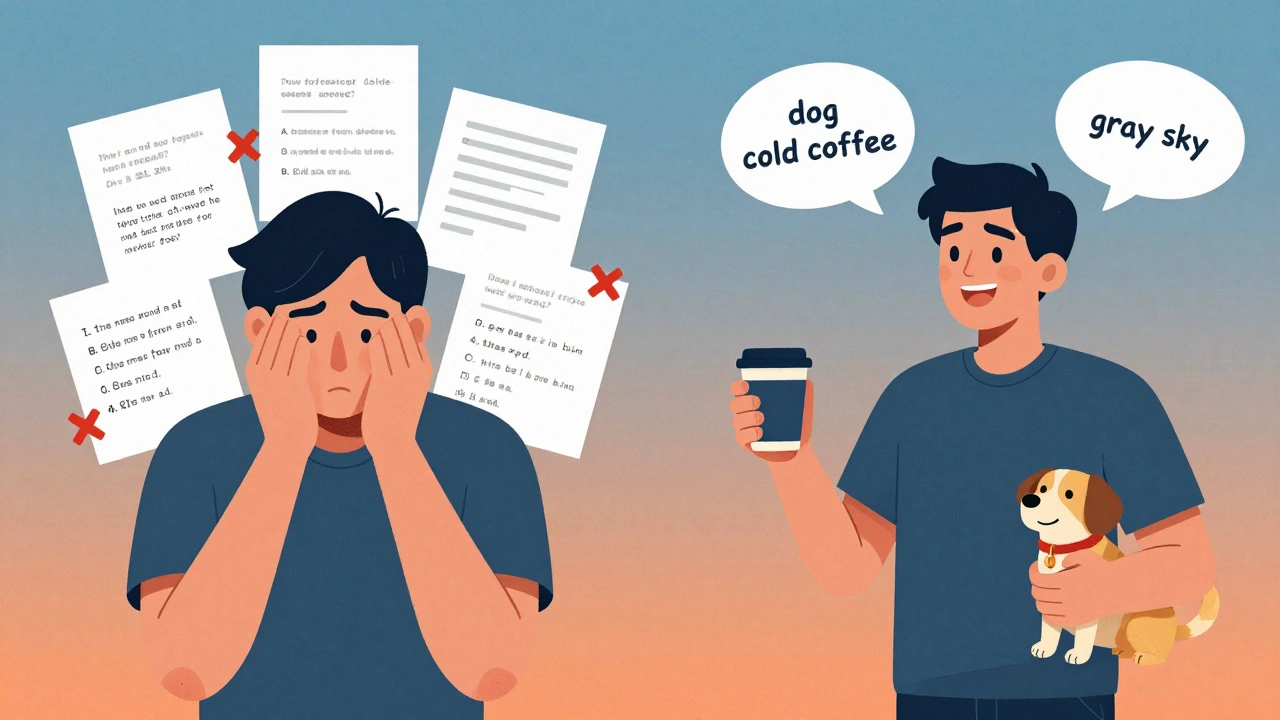
Think in English, Not Your Native Language
One of the biggest causes of mistakes is translating in your head. You think in your native language, then translate word-for-word into English. That’s slow and full of errors. Start thinking directly in English. When you see a dog, think “dog,” not “perro” or “hund.” Describe your surroundings mentally: “The sky is gray. My coffee is cold.” This rewires your brain to process English without a middleman. It takes time, but within weeks, you’ll notice you’re forming thoughts in English without trying.Accept That Mistakes Will Happen-And That’s Okay
Even fluent speakers make mistakes. They say “I seen it” instead of “I saw it.” They mix up “affect” and “effect.” The difference? They don’t stop. They laugh, correct themselves, and keep going. You don’t need to be perfect. You need to be persistent. Every time you speak, you’re building confidence. Every mistake you fix becomes a rule you’ll never forget. Fluency isn’t a destination-it’s a habit. Speak often. Speak freely. The mistakes will fade.Can I become fluent in English without taking classes?
Yes. Many people become fluent through daily practice alone. Watching shows, listening to podcasts, speaking aloud, and using language apps can be enough if done consistently. Formal classes help with structure, but fluency comes from active use, not passive learning. The key is speaking every day-even if it’s just for 10 minutes.
How long does it take to speak English fluently without mistakes?
There’s no fixed timeline. Most learners notice major improvement in 3-6 months with daily practice. Fluency without mistakes doesn’t mean zero errors-it means speaking smoothly and correcting yourself naturally. People who speak 30-60 minutes a day, use real materials, and focus on pronunciation typically reach this level in under a year. Progress depends on consistency, not intensity.
Should I correct every mistake I make while speaking?
No-not during conversation. Correcting yourself mid-sentence breaks your flow. Instead, note the mistake and review it later. After speaking, ask: “What did I struggle with?” Then practice that phrase again. During real conversations, prioritize communication over perfection. You can fix errors after the fact without ruining the moment.
Is it better to speak slowly or quickly to avoid mistakes?
Speak at a pace that lets you think clearly, not too slow and not too fast. Rushing leads to more errors. Speaking too slowly makes you sound unnatural. Aim for a steady, natural rhythm. If you pause to think, that’s fine. Native speakers pause too. The goal is to sound relaxed, not rushed or robotic.
What’s the most common mistake non-native speakers make when speaking English?
The most common mistake is translating word-for-word from their native language. For example, saying “I have 25 years” instead of “I am 25.” Or “I am understanding” instead of “I understand.” This happens because learners rely on grammar rules from their first language. The fix? Learn phrases as whole units and think directly in English, not through translation.